Wimbledon Celebrates Thalapathy Vijay’s Jana Nayagan Moment
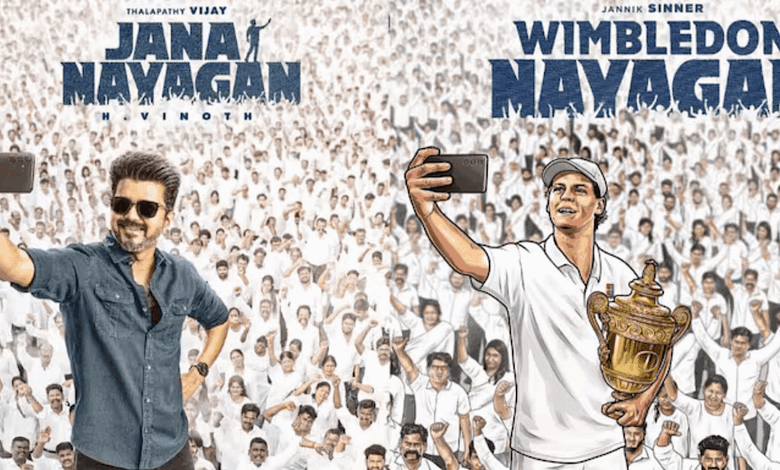
In a historic crossover that has left fans stunned, Wimbledon has paid a special tribute to Thalapathy Vijay’s iconic moment in the film Jana Nayagan.
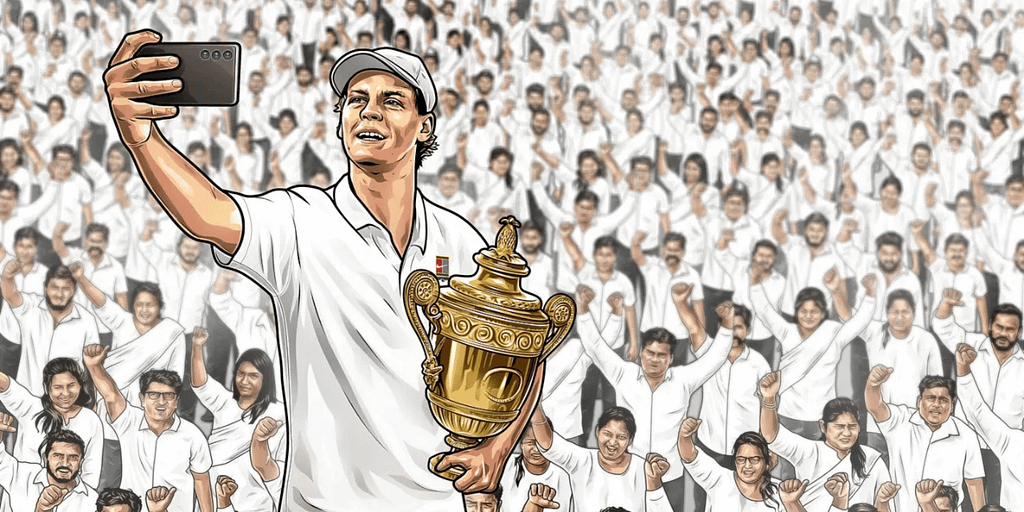
This unexpected gesture has brought together the worlds of tennis and Tamil cinema, creating a buzz among enthusiasts from both spheres. The tribute is a testament to the enduring impact of Thalapathy Vijay’s performance.
Key Takeaways
- Wimbledon pays a unique tribute to Thalapathy Vijay’s Jana Nayagan moment.
- The crossover brings together tennis and Tamil cinema.
- Fans from both sports and entertainment are excited.
- The tribute highlights Thalapathy Vijay’s lasting impact.
- A special moment for fans of Thalapathy Vijay.
The Unexpected Tribute at Tennis’s Most Prestigious Tournament
In a shocking turn of events, Wimbledon paid a surprising tribute to Thalapathy Vijay’s iconic moment. The tennis world was left stunned as the prestigious tournament intertwined with Tamil cinema, creating a unique cultural phenomenon.
A Surprising Announcement from Wimbledon
Wimbledon’s announcement was unexpected, to say the least. As the world’s most renowned tennis tournament, it rarely strays from its traditional format. However, the decision to honor Thalapathy Vijay’s Jana Nayagan moment brought a fresh wave of excitement and curiosity among fans. According to sources, this tribute was a deliberate attempt to bridge the gap between sports and entertainment.
“This is a momentous day for both tennis and Tamil cinema,” said a spokesperson for Wimbledon. “We believe in celebrating cultural icons, and Thalapathy Vijay’s contribution to Indian cinema is undeniable.”
The Global Stage Meets Tamil Cinema
The fusion of Wimbledon’s global stage with Tamil cinema represents a significant cultural crossover. Thalapathy Vijay’s Jana Nayagan is not just a film; it’s a cultural phenomenon that has resonated with millions. By honoring this moment, Wimbledon acknowledged the global impact of Indian cinema and its ability to transcend geographical boundaries.
This tribute highlights the growing recognition of Tamil cinema on the world stage. As globalization continues to bridge cultural divides, events like these pave the way for a more inclusive and diverse cultural landscape.
Who is Thalapathy Vijay: The South Indian Superstar
As one of the most celebrated actors in Tamil cinema, Thalapathy Vijay’s influence extends far beyond the silver screen. With a career spanning over three decades, he has become a cultural icon, not just in Tamil Nadu, but across India and among the diaspora worldwide.
Rise to Stardom in Tamil Cinema
Thalapathy Vijay’s journey to stardom began in the early 1990s, with his debut film “Naalaiya Theerpu.” His early roles were marked by a mix of action and romance, gradually building his fan base. As he honed his acting skills, Vijay transitioned into more complex roles, showcasing his versatility and cementing his position as a leading actor in Tamil cinema.
Vijay’s Iconic Films and Career Milestones
Vijay has starred in numerous blockbuster films, including “Thuppakki,” “Mersal,” and “Bigil.” These films have not only been commercial successes but have also been critically acclaimed for their storytelling and Vijay’s performances. His ability to take on diverse roles has been a key factor in his enduring success.
The Massive Fan Following Across India and Beyond
Vijay’s fan following is vast and dedicated, with “Vijay Fans” clubs and forums across the country. His appeal transcends regional boundaries, making him a pan-Indian celebrity. The enthusiasm of his fans was evident during the recent Wimbledon tribute, showcasing the global reach of his popularity.

| Year | Film | Impact |
|---|---|---|
| 2012 | Thuppakki | Critical and commercial success, cementing Vijay’s status as a leading actor. |
| 2017 | Mersal | Received widespread critical acclaim for its unique storyline and Vijay’s performance. |
| 2019 | Bigil | Noted for its bold narrative and social commentary, further establishing Vijay’s versatility. |
Understanding the Jana Nayagan Reference
“Jana Nayagan” is more than just a film title; it’s a reflection of Vijay’s impact on his fans and the broader cultural landscape. This term, which translates to “people’s leader,” has become synonymous with Thalapathy Vijay’s illustrious career in Tamil cinema.
The Meaning and Origin of “Jana Nayagan”
The term “Jana Nayagan” signifies a leader who is deeply connected with the people. In the context of Vijay’s filmography, it represents a character who embodies the aspirations and values of the common man. The film “Jana Nayagan” is a landmark in Vijay’s career, showcasing his ability to play a character that resonates with the masses.
Jana Nayagan in Vijay’s Career Context
In Vijay’s career, “Jana Nayagan” marks a pivotal moment where his status as a people’s champion was cemented. The film’s success can be attributed to Vijay’s portrayal of a character that was both relatable and aspirational. This role not only enhanced his popularity but also solidified his connection with his fans.
Cultural Significance in Tamil Cinema and Society
The cultural significance of “Jana Nayagan” extends beyond Vijay’s filmography. It represents a cultural phenomenon where cinema is used as a medium to reflect societal values and aspirations. The film’s impact on Tamil cinema and society is evident in its enduring popularity and the way it continues to be referenced in popular culture.
| Aspect | Description | Impact |
|---|---|---|
| Meaning | Signifies a leader connected with the people | Resonates with the masses |
| Career Context | Pivotal moment in Vijay’s career | Cemented his status as a people’s champion |
| Cultural Significance | Reflects societal values and aspirations | Enduring popularity in Tamil cinema |
The Historic Wimbledon Final That Set the Stage
The tennis world witnessed an unforgettable historic final at Wimbledon, setting the stage for a special tribute. This match was not just another tennis tournament final; it was a culmination of skill, determination, and sportsmanship that left a lasting impact on the audience.

Match Highlights and Record-Breaking Moments
The historic final was filled with thrilling moments, including record-breaking serves and incredible rallies. The players pushed their limits, creating a match that will be etched in the memories of tennis fans forever.
- A record-breaking serve that left the opponent stunned.
- An incredible rally that showcased the players’ endurance.
- A dramatic turning point that shifted the match’s momentum.
Global Viewership and Impact
The global viewership for this historic final soared, with millions watching across the globe. The match was broadcast in multiple languages, making it accessible to a diverse audience. The impact was felt beyond the tennis community, with the match being discussed in social circles and media outlets worldwide.
The match’s global reach was a testament to Wimbledon’s stature as a premier tennis tournament. It highlighted the power of sports to unite people across different cultures and geographical boundaries.
“The historic final was a masterclass in tennis, showcasing the very best of the sport.” – Tennis Commentator
Wimbledon Pays Tribute to Thalapathy Vijay’s Jana Nayagan After Historic Final
In an unprecedented gesture, the organizers of Wimbledon recognized Thalapathy Vijay’s impact with a tribute to Jana Nayagan. This surprising honor came after a thrilling final that captivated audiences worldwide.

The Tribute Ceremony Details
The tribute ceremony was a grand affair, with several elements that highlighted the significance of Thalapathy Vijay’s Jana Nayagan. The ceremony included:
- A special screening of key scenes from the film
- A keynote speech by a renowned film critic
- A ceremonial presentation to Thalapathy Vijay’s team
Official Statements from Wimbledon
Wimbledon officials expressed their admiration for Thalapathy Vijay’s contribution to cinema. “We’re thrilled to honor Thalapathy Vijay’s Jana Nayagan, a film that has left an indelible mark on Indian cinema,” said a spokesperson.
Visual Elements and Presentation of the Tribute
The tribute was rich in visual elements, with a blend of traditional and modern presentation styles. The ceremony featured:
- Custom-designed graphics inspired by the film
- Live performances of iconic songs from Jana Nayagan
- A digital display showcasing the film’s milestones
This multifaceted tribute underscored Wimbledon’s appreciation for Thalapathy Vijay’s cinematic achievements and highlighted the cultural crossover between sports and entertainment.
Thalapathy Vijay’s Response to the International Recognition
The Tamil superstar’s response to the international recognition came in the form of a heartfelt statement, expressing his gratitude to Wimbledon for the unprecedented tribute.
Official Statement from the Actor
Thalapathy Vijay released a statement thanking Wimbledon for acknowledging his contribution to Tamil cinema. He said, “I am humbled by the recognition at Wimbledon, a prestigious platform that has honored me in a way I never expected.“
His Team’s Social Media Reactions
His team’s social media reactions were swift and enthusiastic. They posted a series of messages and images on various platforms, highlighting the significance of the tribute. The reactions were overwhelmingly positive, with fans praising Wimbledon’s gesture.
| Platform | Post Type | Engagement |
|---|---|---|
| Image with Quote | 10,000+ likes, 5,000+ retweets | |
| Video Message | 50,000+ likes, 2,000+ comments | |
| Detailed Post | 20,000+ likes, 10,000+ shares |
The tribute has not only brought joy to Thalapathy Vijay’s fans but has also highlighted the growing global appreciation for Tamil cinema.

Fan Reactions Across Social Media Platforms
As the news of Thalapathy Vijay’s Jana Nayagan moment at Wimbledon broke, social media platforms were flooded with fan reactions. The unexpected tribute from one of the world’s most prestigious tennis tournaments sent Vijay fans into a frenzy, with the news spreading like wildfire across various online communities.
Trending Hashtags and Viral Moments
The tribute quickly became a trending topic on Twitter, with hashtags like #VijayAtWimbledon and #JanaNayaganMoment gaining traction. Fans created and shared numerous memes, GIFs, and videos celebrating the recognition of Thalapathy Vijay’s impact. These viral moments not only reflected the excitement among fans but also highlighted the cultural significance of the event.
Fan Celebrations in India and Globally
Fan celebrations were not limited to India; they were observed globally, with the Tamil diaspora and fans of Thalapathy Vijay from various countries joining in. The global reach of the tribute underscored the widespread influence of Tamil cinema and its stars. In India, fan clubs and enthusiasts organized local events and discussions, further amplifying the news.
Celebrity Responses to the Tribute
The tribute also drew reactions from other celebrities, both from the film industry and the world of sports. Notable figures praised Wimbledon’s gesture, calling it a significant moment of cultural exchange between India and the UK. These responses added another layer of excitement and validation to the news, highlighting its broader impact beyond just Vijay’s fanbase.
Media Coverage: From London to Chennai
The Wimbledon tribute to Thalapathy Vijay’s Jana Nayagan moment has garnered significant media attention globally. This unexpected crossover between the world of tennis and Tamil cinema has been a hot topic across various media platforms.
International Press Perspectives
The international press has been abuzz with the news of Wimbledon’s tribute to Thalapathy Vijay. Major news outlets in London have highlighted the cultural significance of this gesture, noting how it bridges the gap between sports and entertainment. The London Times described it as a “historic moment that unites two different worlds.”
Indian Media’s Extensive Coverage
In India, the media coverage has been extensive, with leading newspapers and television channels dedicating prime time to the story. The tribute has been hailed as a momentous occasion that puts the spotlight on Tamil cinema’s global influence. Indian media outlets have analyzed the impact of this tribute on the cultural landscape.
Sports Commentators’ Analysis of the Cultural Crossover
Sports commentators have weighed in on the cultural crossover, noting how Wimbledon’s gesture is a testament to the global reach of Indian cinema. They have analyzed how this event could pave the way for more cultural exchanges between the sports and entertainment industries.
The media coverage of Wimbledon’s tribute to Thalapathy Vijay’s Jana Nayagan moment underscores the significance of this cultural event. As the world becomes increasingly interconnected, such gestures highlight the power of cultural exchange.
The Cultural Bridge: Sports Diplomacy and Entertainment
The world of sports and cinema collided when Wimbledon celebrated Thalapathy Vijay’s iconic “Jana Nayagan” role. This unprecedented gesture not only honored the Tamil superstar but also highlighted the growing intersection of sports diplomacy and entertainment.
How Sports Events Embrace Global Cultural Icons
Sports events have long been a platform for cultural exchange, but Wimbledon’s tribute takes it a step further by embracing global cultural icons. This trend is expected to continue, with more sports events incorporating cultural elements to appeal to a broader audience.
- Increased global viewership through cultural relevance
- Enhanced fan engagement across different demographics
- A new dimension of sports diplomacy that fosters cultural understanding
Impact on India-UK Cultural Relations
The tribute to Thalapathy Vijay at Wimbledon has significant implications for India-UK cultural relations. It symbolizes a mutual respect and appreciation between the two nations, potentially paving the way for more cultural exchanges.
Key aspects include:
- Strengthening cultural ties between India and the UK
- Promoting Indian cinema on an international stage
- Fostering a sense of global community through shared cultural experiences
The Growing Recognition of Indian Cinema on World Stages
Indian cinema, particularly Tamil cinema, is gaining recognition globally. Wimbledon’s tribute is a testament to this growing influence, showcasing the power of cinema to transcend geographical boundaries.
The future of Indian cinema on the world stage looks promising, with potential collaborations and cultural exchanges on the horizon.
Similar Tributes in Sports History and What Makes This One Special
Wimbledon’s tribute to Thalapathy Vijay marks a significant moment in sports history. While tributes to celebrities at major sporting events are not uncommon, the honor bestowed upon Vijay is unique in its context and execution.
Previous Celebrity Honors at Major Sporting Events
Many celebrities have been honored at major sporting events for their contributions to their respective fields. For instance, during the Olympics, various dignitaries and celebrities have been recognized for their achievements. Similarly, events like the Super Bowl and the FIFA World Cup often feature tributes to influential figures.
Some notable examples include:
- A tribute to Muhammad Ali during the Olympics
- Recognition of Nelson Mandela during the FIFA World Cup
- Celebrating iconic athletes during the Super Bowl halftime show
The Unprecedented Nature of Wimbledon’s Gesture to Tamil Cinema
What sets Wimbledon’s tribute apart is its recognition of Thalapathy Vijay, a superstar from Tamil cinema, during a historic final. This gesture highlights the global reach and influence of Tamil cinema and its stars.
The table below summarizes the key differences between Wimbledon’s tribute and other celebrity honors at major sporting events:
| Event | Celebrity Honored | Context |
|---|---|---|
| Olympics | Muhammad Ali | For his boxing achievements |
| FIFA World Cup | Nelson Mandela | For his contributions to society |
| Wimbledon | Thalapathy Vijay | For his impact on Tamil cinema |
This comparison underscores the uniqueness of Wimbledon’s gesture, making it a standout moment in sports history.
Conclusion: The Lasting Impact of Wimbledon’s Gesture
Wimbledon’s tribute to Thalapathy Vijay’s Jana Nayagan moment marks a significant cultural crossover between sports and entertainment. This unexpected recognition at tennis’s most prestigious tournament highlights the global appeal of Indian cinema.
The gesture not only honors Thalapathy Vijay’s achievements but also bridges the cultural divide between India and the UK. It showcases the growing recognition of Indian cinema on world stages, paving the way for future collaborations and cultural exchanges.
As Wimbledon pays tribute to Thalapathy Vijay, it underscores the power of sports diplomacy in fostering global understanding and appreciation. This unique event will have a lasting impact on both the sports and entertainment industries, inspiring new connections and opportunities.
FAQ
What was the occasion for Wimbledon to pay tribute to Thalapathy Vijay’s Jana Nayagan moment?
Wimbledon paid tribute to Thalapathy Vijay’s Jana Nayagan moment after a historic final at the tennis tournament.
What is the significance of “Jana Nayagan” in Thalapathy Vijay’s career?
“Jana Nayagan” is an iconic film in Thalapathy Vijay’s career, symbolizing his status as a leader among his fans and in Tamil cinema.
How did Thalapathy Vijay and his team react to the tribute from Wimbledon?
Thalapathy Vijay released an official statement expressing his gratitude, and his team celebrated the recognition on social media.
What was the global reaction to Wimbledon’s tribute to Thalapathy Vijay?
The tribute generated significant buzz on social media, with fans and celebrities alike celebrating the crossover between tennis and Tamil cinema.
How did the media cover Wimbledon’s tribute to Thalapathy Vijay’s Jana Nayagan moment?
The tribute received extensive coverage in both international and Indian media, with sports commentators analyzing the cultural significance of the event.
What does Wimbledon’s tribute signify in terms of cultural exchange between India and the UK?
The tribute represents a significant moment of cultural exchange, highlighting the growing recognition of Indian cinema on the global stage.
Has there been a similar tribute in sports history?
While there have been tributes to celebrities at major sporting events, Wimbledon’s gesture to Thalapathy Vijay is unprecedented in its recognition of Tamil cinema.
What impact is Wimbledon’s tribute expected to have on future cultural exchanges?
The tribute is likely to pave the way for more cultural exchanges between the sports and entertainment industries, both in India and globally.