Agatha Christie’s ‘And Then There Were None’: A Timeless Thriller
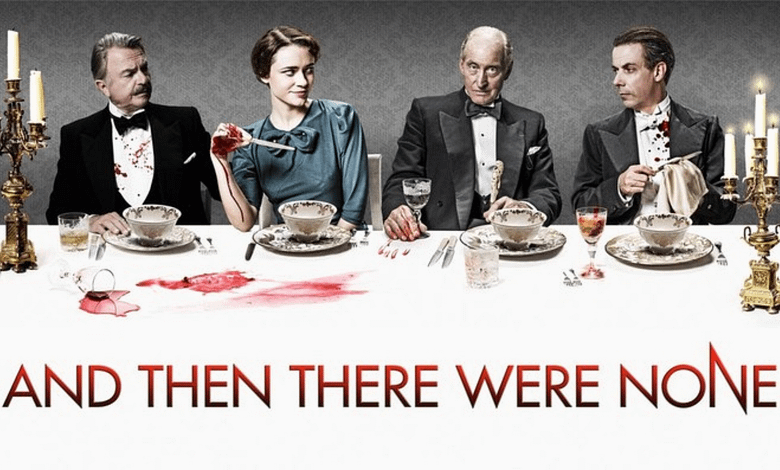
Over 100 million copies sold worldwide, making it one of the best-selling novels of all time, Agatha Christie’s masterpiece continues to captivate readers with its intricate plot and suspenseful storytelling.
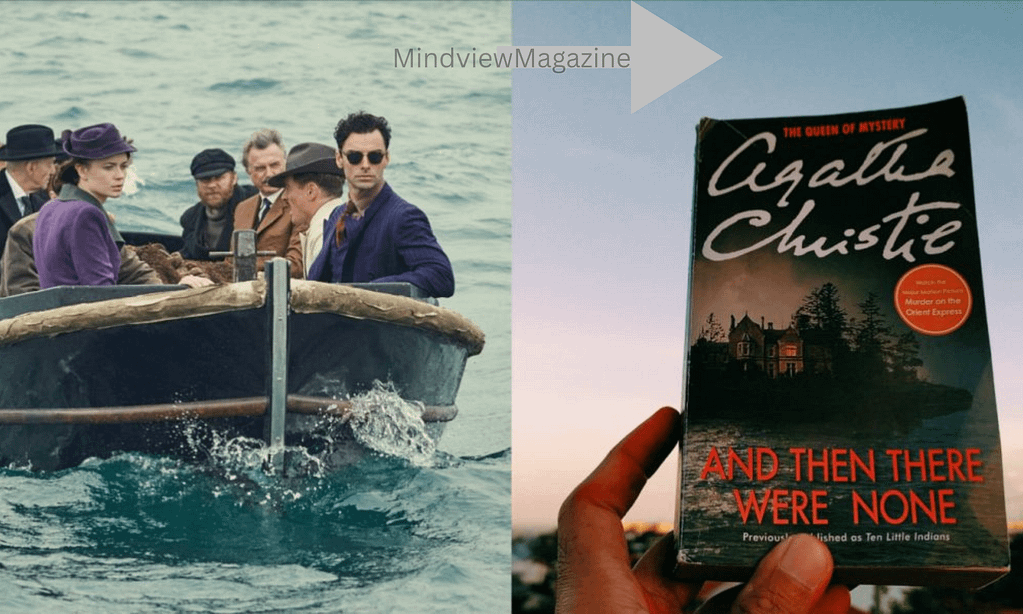
This timeless thriller has been a cornerstone of the mystery genre since its publication, influencing countless authors and adaptations. Its enduring popularity is a testament to Christie’s skillful crafting of a story that remains as engaging today as it was upon its initial release.
Key Takeaways
- The novel has sold over 100 million copies worldwide.
- It is considered a cornerstone of the mystery genre.
- The story’s intricate plot and suspenseful storytelling continue to captivate readers.
- It has influenced numerous authors and adaptations.
- The novel remains as engaging today as it was upon its initial release.
The Queen of Mystery: Agatha Christie’s Literary Legacy
As the ‘Queen of Mystery,’ Agatha Christie has left an indelible mark on the world of literature. Her contributions to the mystery genre have been profound, influencing generations of writers and captivating readers worldwide.
Christie’s Impact on the Mystery Genre
Agatha Christie’s impact on the mystery genre is multifaceted. She is credited with popularizing the ‘whodunit’ style of mystery, where the identity of the perpetrator is not revealed until the end. Her innovative use of plot twists and red herrings raised the bar for mystery writers. Christie’s works have also been praised for their complex characters and intricate plotting.
| Novel | Year Published | Notable Features |
|---|---|---|
| And Then There Were None | 1939 | Closed-circle mystery, multiple plot twists |
| Murder on the Orient Express | 1934 | Complex characters, intricate plot |
The Significance of ‘And Then There Were None’ in Her Bibliography
‘And Then There Were None’ stands out in Christie’s bibliography as a landmark novel that exemplifies her mastery of the mystery genre. Published in 1939, it remains one of her most popular works, known for its tightly wound plot and surprising conclusion. The novel’s success can be attributed to Christie’s ability to craft a compelling narrative that keeps readers guessing until the very end.
The Genesis of a Masterpiece
‘And Then There Were None’ is a masterpiece that originated from Agatha Christie’s creative genius and innovative storytelling. This novel stands as a testament to Christie’s ability to craft a compelling narrative that captivated audiences worldwide.
The Inspiration Behind the Novel
Christie’s inspiration for ‘And Then There Were None’ was multifaceted. She drew from her own experiences and interests in the human psyche, weaving them into the fabric of the novel. One of the key inspirations was the 1933 murder trial of architect Norman Thorne, where the “five little piggies” nursery rhyme was referenced. Christie was also influenced by her time on the island of Burgh Island off the coast of Devon, England, which served as the setting for the novel.
As Christie herself noted,
“The idea came to me one day when I was on Burgh Island.”
This experience, combined with her fascination with the concept of justice and the darker aspects of human nature, formed the foundation of the novel.
Publication History and Title Changes
‘And Then There Were None’ was first published in the United Kingdom in November 1939 under the title “Ten Little Niggers.” However, due to the controversial nature of the title, it was later changed. In the United States, the novel was published under the title “And Then There Were None” in 1940. The title changes continued over the years, with the book also being published as “Ten Little Indians.”
| Year | Title Used | Country |
|---|---|---|
| 1939 | Ten Little Niggers | United Kingdom |
| 1940 | And Then There Were None | United States |
| 1960s | Ten Little Indians | Various |
The changes in title reflect the evolving sensitivities and cultural norms over time, yet the essence of the novel remained unchanged, continuing to captivate readers as a classic piece of literature and cementing Christie’s status as a best-selling author.

Plot Overview: Ten Little Soldiers
Agatha Christie’s ‘And Then There Were None’ starts with an enigmatic summons to a remote island, setting the stage for a thrilling murder mystery. The story revolves around ten strangers, each with a dark secret, who are brought together on Soldier Island.
The Mysterious Invitation to Soldier Island
The novel begins with an invitation to Soldier Island, a place shrouded in mystery. The guests are drawn by different motives, but all are unaware of the true purpose of their visit.
“Just as the judge had said, it was a most singular and interesting case,” reflecting the intrigue that surrounds the characters and their reasons for being on the island.
The Nursery Rhyme That Predicts Death
A framed nursery rhyme, “Ten Little Soldiers,” hangs in each guest’s room, ominously foreshadowing the events that will unfold. As the story progresses, the guests begin to disappear or die, one by one, in accordance with the rhyme.
The Mounting Terror as Guests Begin to Die
As the guests realize they are being killed off one by one, according to the nursery rhyme, panic and terror set in. The remaining survivors must figure out who among them is the killer, or if the killer is still among the living.
The suspense builds as Christie masterfully crafts a suspenseful plot, keeping readers on the edge of their seats, guessing until the very end.
Character Analysis: Ten Strangers with Dark Secrets
The novel masterfully weaves together the stories of ten individuals, each hiding a terrible truth. As the story unfolds, the complexity of these characters becomes apparent, revealing a tapestry of human psychology and the darker aspects of human nature.
The Guests and Their Alleged Crimes
The ten strangers invited to Soldier Island are not who they seem to be. Each has a dark secret, an alleged crime that they have committed but not been punished for. These crimes range from negligence resulting in death to premeditated murder. The characters’ reactions to their predicament are influenced by their past actions, making their behavior a fascinating study in guilt, fear, and desperation.
For instance, Anthony Marston’s reckless driving that resulted in a fatal accident contrasts with Dr. Edward Armstrong’s alleged surgical negligence. Each character’s past misdeeds are slowly revealed, adding layers to their personalities and motivations. This setup is a hallmark of a classic murder mystery, keeping readers engaged and guessing.

The Unseen Host: U.N. Owen
The enigmatic host, U.N. Owen, remains unseen throughout most of the novel, yet his presence is felt strongly. U.N. Owen, or “Unknown Owen,” is the mastermind behind the gathering and the subsequent murders. His character raises questions about justice, morality, and the nature of punishment. By orchestrating the events on Soldier Island, U.N. Owen becomes a pivotal figure in the detective story, driving the plot forward.
The identity and motives of U.N. Owen are slowly unraveled, adding to the suspense characteristic of a whodunit. The reveal of U.N. Owen’s true identity is a climactic moment, tying together the various threads of the narrative and providing a surprising twist that recontextualizes the entire story.
Agatha Christie’s ‘And Then There Were None’: A Timeless Thriller in the Mystery Genre
Christie’s ‘And Then There Were None’ is a timeless thriller that has managed to stay relevant through its engaging narrative and suspenseful plot. This novel exemplifies Christie’s skill in crafting captivating storytelling that has become a hallmark of her best-selling novels.
Innovative Structure and Pacing
The novel’s innovative structure is a key factor in its enduring appeal. Christie masterfully controls the pacing, slowly building tension as the story unfolds. The use of a nursery rhyme to predict the deaths creates a sense of inevitability, keeping readers on the edge of their seats.
- The non-linear narrative structure adds complexity to the story.
- The pacing is expertly managed to maximize suspense.
- The incorporation of a nursery rhyme adds a layer of predictability.
The Perfect Closed-Circle Mystery
‘And Then There Were None’ is often cited as the quintessential closed-circle mystery. The isolation of the characters on Soldier Island heightens the tension and forces both the characters and the readers to piece together the mystery together.
- The setting isolates the characters, creating a sense of claustrophobia.
- The characters are forced to work together to uncover the truth.
- The mystery is slowly unraveled through the novel.
In conclusion, ‘And Then There Were None’ remains a timeless thriller due to its masterful storytelling, innovative structure, and the perfect execution of a closed-circle mystery. These elements combine to create a narrative that continues to captivate readers to this day.
Themes of Justice and Moral Ambiguity
In ‘And Then There Were None’, Agatha Christie delves into the gray areas between justice and morality, challenging readers’ perceptions. The novel raises important questions about the nature of justice, the morality of punishment, and the consequences of taking the law into one’s own hands.
Crime and Punishment Outside the Law
The character of U.N. Owen, the unseen host, administers a form of justice that is outside the legal framework. This raises questions about the effectiveness and morality of such actions. As Christie writes, “Justice, it seemed, had been done.” This statement underscores the theme of justice being served, albeit in an unconventional manner.
The table below highlights the contrast between legal justice and the justice meted out by U.N. Owen:
| Aspect | Legal Justice | U.N. Owen’s Justice |
|---|---|---|
| Method | Due process, trial by jury | Direct, without trial |
| Outcome | Punishment fits the crime | Death for the guilty |
Guilt and Conscience in the Face of Death
As the characters face death, their guilt and conscience are brought to the forefront. Christie’s exploration of how individuals react to impending death reveals their true characters and the weight of their past actions. The novel suggests that guilt can be a powerful motivator, driving individuals to confront their past.
“The murderer was among them… and then there were none.”
The Question of Who Deserves to Survive
The novel poses a moral question: who deserves to survive? Through the characters’ experiences, Christie examines the moral implications of survival and the value of human life. The novel challenges readers to consider the moral ambiguities involved in deciding who is worthy of survival.

In conclusion, ‘And Then There Were None’ is a complex exploration of justice, morality, and the human condition, leaving readers to ponder the moral ambiguities presented.
Literary Techniques That Create Suspense
The enduring appeal of ‘And Then There Were None’ lies in Agatha Christie’s ingenious use of literary devices to create suspense. Christie was a master of crafting a narrative that keeps readers on the edge of their seats, and her techniques continue to influence writers today.

The Use of Isolation and Claustrophobia
One of the key techniques Christie employed was the isolation of her characters on Soldier Island. By cutting off their communication with the outside world, she created a sense of claustrophobia and heightened tension. This isolation made it impossible for the characters to escape their fate, mirroring the reader’s feeling of being trapped in the story.
Red Herrings and Misdirection
Christie was renowned for her use of red herrings and misdirection. By introducing clues that misled the reader, she kept the outcome of the story uncertain. This technique not only added to the suspense but also encouraged readers to actively engage with the narrative, trying to piece together the truth.
The Unreliable Narrator Technique
Although ‘And Then There Were None’ is primarily told through an omniscient narrator, Christie did employ a form of the unreliable narrator technique by limiting the information available to the reader at any given time. This selective revelation of information kept readers guessing and added to the overall suspense.
| Literary Technique | Effect on the Reader |
|---|---|
| Isolation | Creates a sense of claustrophobia and tension |
| Red Herrings | Misdirects the reader, adding to suspense |
| Unreliable Narration | Limits information, keeping the reader engaged |
Historical Context: Pre-War Britain and Social Commentary
Agatha Christie’s ‘And Then There Were None’ is not just a thriller; it’s a window into the class distinctions and social commentary of 1930s Britain. Published in 1939, the novel reflects the societal anxieties and class divisions prevalent on the eve of World War II.
The novel is set on an isolated island, where characters from different backgrounds are brought together, highlighting the stark contrasts in social status and economic conditions of the time.
Social Stratification
Christie masterfully portrays the class distinctions of her era, from the wealthy entrepreneurs to the lower-class individuals, each with their own secrets and motives. This stratification is crucial to understanding the characters’ interactions and the unfolding mystery.
| Character | Social Class | Occupation |
|---|---|---|
| Mr. Blore | Middle Class | Detective |
| Vera Claythorne | Lower-Middle Class | Governess |
| Philip Lombard | Upper Class | Mercenary |
Reflections of 1930s British Society
The novel also serves as a commentary on the societal issues of 1930s Britain, including the fear of war, social inequality, and the justice system. Christie’s work provides valuable insights into the era’s social fabric.

By examining ‘And Then There Were None’ within its historical context, readers can gain a deeper understanding of Agatha Christie’s commentary on pre-war Britain and the enduring themes that make her work a classic of English literature.
Cultural Impact and Enduring Popularity
As one of the best-selling crime novels of all time, ‘And Then There Were None’ has had a profound impact on popular culture. Agatha Christie’s masterpiece continues to captivate audiences worldwide with its intricate plot and suspenseful narrative.
Sales Figures and Translations
‘And Then There Were None’ has achieved unparalleled success, selling over 100 million copies worldwide. It has been translated into more than 100 languages, making it one of the most translated books in history. This widespread popularity is a testament to Christie’s skill as an iconic author.
| Language | Sales Figures |
|---|---|
| English | 50 million+ |
| Other languages | 50 million+ |
Influence on Modern Mystery Writers
Christie’s work has influenced a generation of mystery writers. Authors such as Gillian Flynn and Tana French have cited Christie as an inspiration. The complex characters and layered plotting in ‘And Then There Were None’ have set a high standard for the genre.
Continued Relevance in Contemporary Culture
The themes of justice, guilt, and morality in ‘And Then There Were None’ remain relevant today. The novel’s exploration of human nature continues to resonate with readers. Its cultural impact is evident in numerous adaptations and references in popular media.
Academic and Critical Appreciation
‘And Then There Were None’ has garnered significant academic attention. Scholars analyze its structure, themes, and social commentary. The novel is often studied in literature classes, further cementing its place in the literary canon.
In conclusion, ‘And Then There Were None’ is a landmark novel that continues to captivate audiences with its engaging narrative and complex themes. Its enduring popularity is a testament to Agatha Christie’s lasting cultural impact.
Adaptations Across Media
The enduring popularity of ‘And Then There Were None’ is evident in its numerous adaptations across various media platforms. This timeless thriller has been reimagined in stage productions, film, and television versions, each offering a unique interpretation of Christie’s masterpiece.
Stage Productions and Their Success
‘And Then There Were None’ has been successfully adapted for the stage, with productions running for years in London’s West End. The play’s suspenseful narrative and complex characters have captivated theater audiences worldwide.
Film and Television Versions
The novel has been adapted into numerous film and television versions, showcasing its versatility. From early cinematic adaptations to modern miniseries, ‘And Then There Were None’ continues to enthrall audiences with its gripping storyline.
How Adaptations Handle the Controversial Ending
Adaptations of ‘And Then There Were None’ have handled the novel’s controversial ending in various ways. Some have maintained the original’s shocking conclusion, while others have opted for alternative endings, sparking debate among fans.
Recent Adaptations and Their Modern Interpretations
Recent adaptations have brought ‘And Then There Were None’ into the modern era, incorporating contemporary themes and production techniques. These updates have helped introduce Christie’s work to new audiences while maintaining the novel’s classic appeal.
| Adaptation Type | Notable Features | Year |
|---|---|---|
| Stage Production | Long-running West End production | 2005 |
| Film Version | Directed by René Clair | 1945 |
| Television Miniseries | Modern retelling with updated setting | 2015 |
Conclusion: Why ‘And Then There Were None’ Remains Christie’s Crowning Achievement
Agatha Christie’s ‘And Then There Were None’ is a literary masterpiece that continues to captivate audiences with its intricate plot and suspenseful storytelling. This timeless thriller has stood the test of time, remaining a beloved classic in the mystery genre.
The novel’s enduring popularity can be attributed to Christie’s innovative structure and pacing, which creates a sense of tension and unease in the reader. The themes of justice and moral ambiguity are expertly woven throughout the narrative, adding depth and complexity to the story.
As a testament to its impact, ‘And Then There Were None’ has been adapted into numerous stage productions, films, and television versions, cementing its place in popular culture. Agatha Christie’s ‘And Then There Were None’: a timeless thriller continues to be a benchmark for mystery writers, influencing the genre as a whole.
The novel’s continued relevance is a tribute to Christie’s skill as a storyteller and her ability to craft a narrative that remains engaging and suspenseful to this day. As a literary masterpiece, ‘And Then There Were None’ will continue to be celebrated for generations to come.
FAQ
What is ‘And Then There Were None’ about?
‘And Then There Were None’ is a mystery novel by Agatha Christie that follows ten strangers invited to an isolated island, only to be killed off one by one, as they try to figure out who among them is the murderer.
Why is ‘And Then There Were None’ considered a timeless thriller?
‘And Then There Were None’ remains a timeless thriller due to its masterful blend of suspense, intricate plot, and well-developed characters, making it a classic in the mystery genre that continues to captivate readers.
Who is Agatha Christie, and what is her significance in literature?
Agatha Christie is a renowned British author known as the ‘Queen of Mystery’ for her significant contributions to the detective fiction genre, with ‘And Then There Were None’ being one of her most celebrated works.
What makes ‘And Then There Were None’ a landmark novel in the mystery genre?
‘And Then There Were None’ is a landmark novel due to its innovative structure, the use of a closed-circle mystery, and its exploration of themes such as justice, guilt, and moral ambiguity, all of which have influenced the mystery genre.
How has ‘And Then There Were None’ been received over the years?
‘And Then There Were None’ has been widely acclaimed and has maintained its popularity over the years, with significant sales figures, numerous translations, and adaptations across various media, including stage, film, and television.
What are some of the themes explored in ‘And Then There Were None’?
The novel explores themes of justice, moral ambiguity, guilt, and the psychological effects of isolation, making it a complex and engaging read that challenges readers’ perceptions.
How does Agatha Christie create suspense in ‘And Then There Were None’?
Christie creates suspense through the use of isolation, red herrings, misdirection, and an unreliable narrator technique, all of which contribute to the novel’s tense and unpredictable atmosphere.
What is the significance of the title ‘And Then There Were None’?
The title refers to a nursery rhyme that predicts the deaths of the characters, adding to the sense of foreboding and inevitability that pervades the novel.
How does ‘And Then There Were None’ reflect the societal context of its time?
The novel reflects the societal context of pre-war Britain, commenting on issues such as class distinctions and social justice, providing insight into the era in which it was written.