what is a line cook?
Facts About the Line Cook Role You Didn’t Know
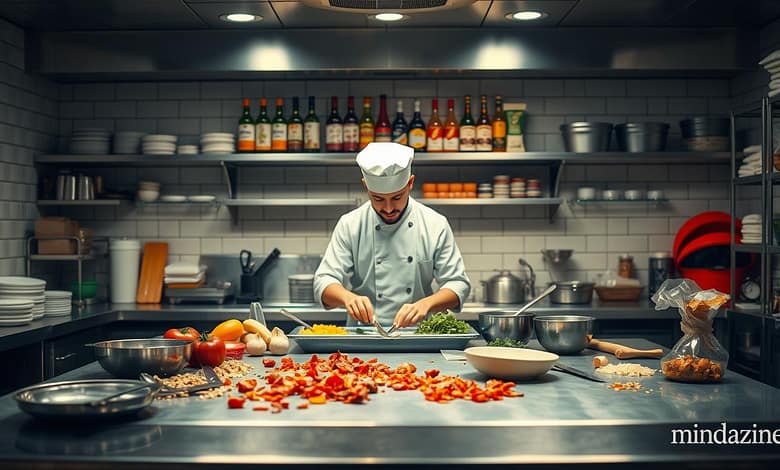
In the fast-paced world of culinary arts, line cooks are the backbone of any restaurant or kitchen. Did you know that a typical kitchen can have up to 5 different line cook stations, each with its unique responsibilities?
A line cook, also known as a prep cook, is responsible for preparing and cooking food in a restaurant or other food service establishment. Their job description includes tasks such as food preparation, cooking, and plating dishes to be served to customers.
The role of a line cook is crucial, as they are directly involved in the preparation and presentation of dishes, ensuring that food is cooked to perfection and presented attractively.
Key Takeaways
- Line cooks are essential in a kitchen environment, working on various stations to prepare and cook food.
- Their primary responsibilities include food preparation, cooking, and plating dishes.
- Line cooks play a crucial role in ensuring that dishes are cooked to perfection and presented attractively.
- The job requires working in a fast-paced environment, often under pressure during peak hours.
- Effective communication and teamwork are vital skills for a line cook.
The Definition and Role of a Line Cook in Modern Kitchens
The role of a line cook is multifaceted, requiring a blend of culinary skill, precision, and teamwork. Line cooks are essential in modern kitchens, where they are responsible for preparing and cooking menu items during service hours.
Where Line Cooks Fit in the Kitchen Hierarchy
Line cooks operate under the supervision of executive and sous chefs, playing a crucial role in the kitchen brigade system. mindviewmagazine.com
Relationship with Executive and Sous Chefs
Line cooks work closely with executive and sous chefs to ensure that dishes are prepared according to the restaurant’s standards. They receive instructions, feedback, and guidance from these senior chefs.
Interaction with Kitchen Support Staff
Effective communication between line cooks and kitchen support staff, such as dishwashers and food preparers, is vital for maintaining a smooth service.
The Evolution of the Line Cook Position
The line cook position has evolved significantly over time, influenced by changes in culinary practices and kitchen management.
Historical Development of Kitchen Brigades
The modern kitchen brigade system, which defines the roles of line cooks, was developed by French chef Auguste Escoffier in the late 19th century.
Modern Adaptations of the Role
Today, the role of line cooks continues to adapt to new culinary trends, technologies, and kitchen dynamics, making their position both challenging and exciting.
Essential Responsibilities of Line Cooks
In the fast-paced environment of a commercial kitchen, line cooks play a vital role in food preparation, cooking, and maintaining kitchen standards. Their responsibilities are diverse and demanding, requiring a combination of culinary skills, attention to detail, and teamwork.
Food Preparation Duties
Line cooks are responsible for several food preparation tasks that are crucial to the smooth operation of the kitchen.
Mise en Place Procedures
Mise en place, a French term meaning “everything in its place,” is a fundamental procedure in kitchen operations. Line cooks must prepare and organize ingredients, tools, and equipment before service begins. This includes chopping vegetables, marinating meats, and setting up their workstation.
Ingredient Processing Techniques
Line cooks must be skilled in various ingredient processing techniques such as chopping, slicing, dicing, and pureeing. These skills are essential for preparing ingredients to the correct specification for cooking.
Cooking and Plating Responsibilities
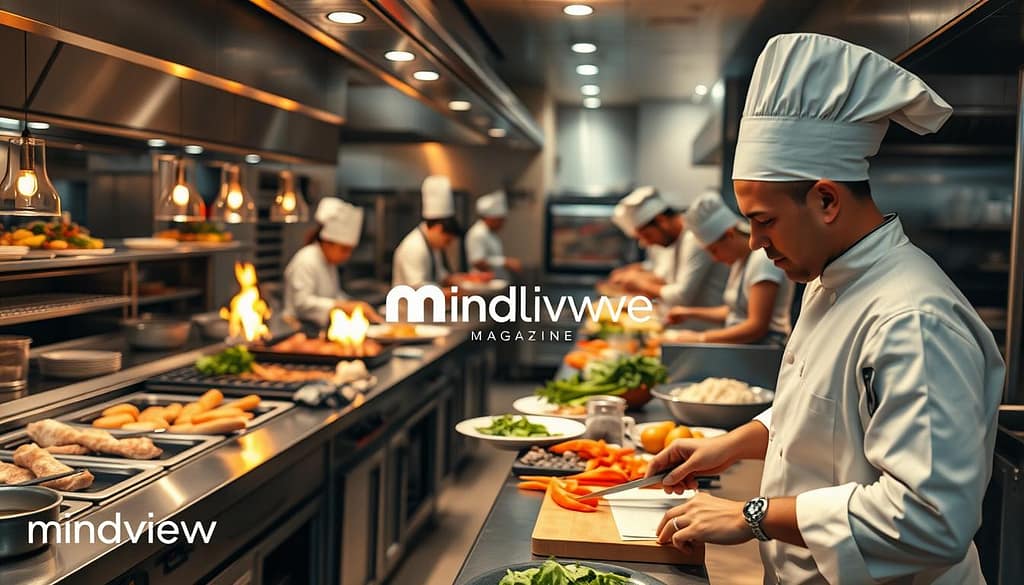
Cooking and plating are critical tasks that require precision and attention to detail. Line cooks must execute recipes to specification and present dishes attractively.
Executing Recipes to Specification
Line cooks are expected to follow recipes accurately, ensuring that dishes are cooked to the correct temperature, texture, and flavor. This requires a good understanding of cooking techniques and the ability to work under pressure.
Presentation Standards
The presentation of a dish is as important as its taste. Line cooks must arrange food attractively on plates, garnish appropriately, and ensure that the final product meets the kitchen’s presentation standards.
Maintaining Kitchen Standards
Maintaining high standards in the kitchen is crucial for food safety, customer satisfaction, and the overall success of the restaurant.
Cleanliness and Sanitation Protocols
Line cooks are responsible for maintaining cleanliness and adhering to sanitation protocols. This includes cleaning their workstations, equipment, and utensils, as well as following proper handwashing procedures.
Food Safety Compliance
Line cooks must comply with food safety regulations, including proper food storage, handling, and cooking practices. This helps prevent foodborne illnesses and ensures a safe dining experience for customers.
What Is a Line Cook’s Daily Workflow
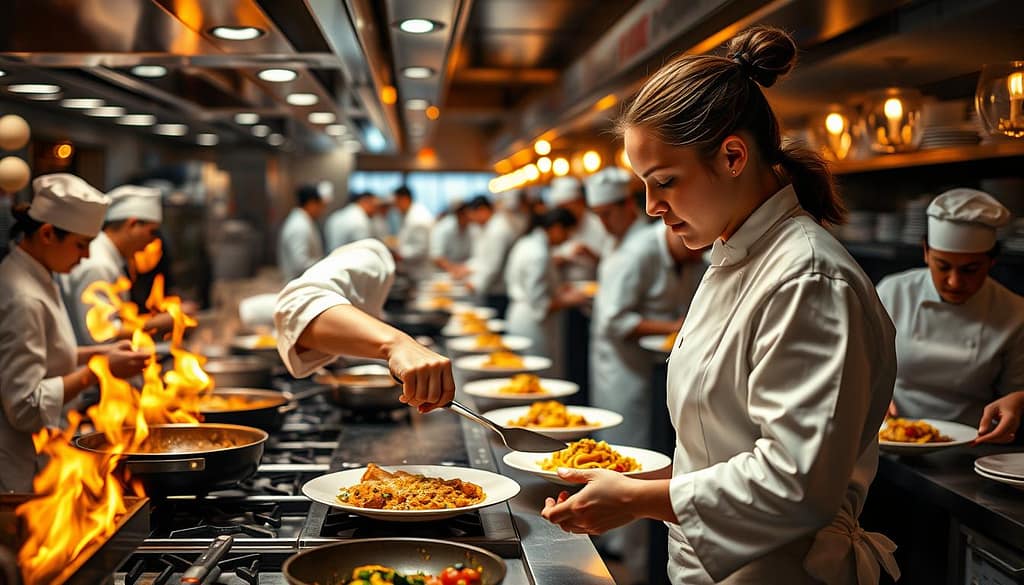
Understanding the daily workflow of a line cook provides insight into the fast-paced and demanding world of professional kitchens. A line cook’s day is structured around food preparation, service, and cleanup, requiring precision, teamwork, and efficiency.
Pre-Service Preparation
Before the kitchen opens, line cooks engage in crucial pre-service preparation to ensure a smooth service.
Morning Setup Routines
Line cooks begin by setting up their stations, which includes organizing tools, ingredients, and equipment. This morning routine is essential for maintaining efficiency during service.
Inventory Management
They also conduct inventory checks to verify that all necessary ingredients and supplies are available. This task is vital for preventing delays during service.
During Service Operations
During service, line cooks are fully engaged in cooking and plating dishes according to the restaurant’s standards.
Ticket Management
Effective ticket management is crucial, as it involves coordinating with other kitchen staff to ensure that dishes are prepared and served in a timely manner.
Coordination with Other Stations
Line cooks must coordinate with other stations, such as the sous chef, expeditor, and servers, to maintain a smooth workflow. This coordination is key to delivering high-quality dishes.
Post-Service Responsibilities
After service, line cooks have several important tasks to complete.
Cleanup Procedures
Cleanup is a significant part of post-service responsibilities, involving the sanitizing of equipment, utensils, and workstations.
Prep for Next Service
Line cooks also prepare for the next service by restocking supplies, prepping ingredients, and reviewing menus and tickets for the upcoming service.
In summary, a line cook’s daily workflow is demanding and multifaceted, requiring a blend of culinary skills, teamwork, and organizational abilities. By understanding these duties, we can appreciate the critical role line cooks play in the success of a kitchen.
Key Skills Required to Excel as a Line Cook
Excelling as a line cook requires a blend of culinary expertise, organizational skills, and effective communication. To succeed in this demanding role, one must possess a diverse set of skills that enable them to perform efficiently under pressure.
Technical Cooking Skills
Technical cooking skills form the foundation of a line cook’s expertise. This includes:
Knife Techniques
Proficiency in various knife cuts and techniques is essential for preparing ingredients efficiently and safely. Line cooks must be adept at chopping, slicing, and dicing ingredients to precise specifications.
Cooking Methods Mastery
Line cooks must be skilled in various cooking methods, including grilling, sautéing, roasting, and frying. Mastery of these techniques ensures that dishes are prepared to the highest standard.
Time Management and Organization
Effective time management and organization are critical for line cooks, particularly during peak service hours. Key aspects include:
Multitasking Abilities
The ability to multitask is crucial, as line cooks often need to prepare multiple dishes simultaneously. This requires strong organizational skills and the ability to prioritize tasks effectively.
Prioritization Strategies
Line cooks must be able to prioritize tasks based on urgency and importance, ensuring that dishes are prepared and served in a timely manner.
Communication and Teamwork
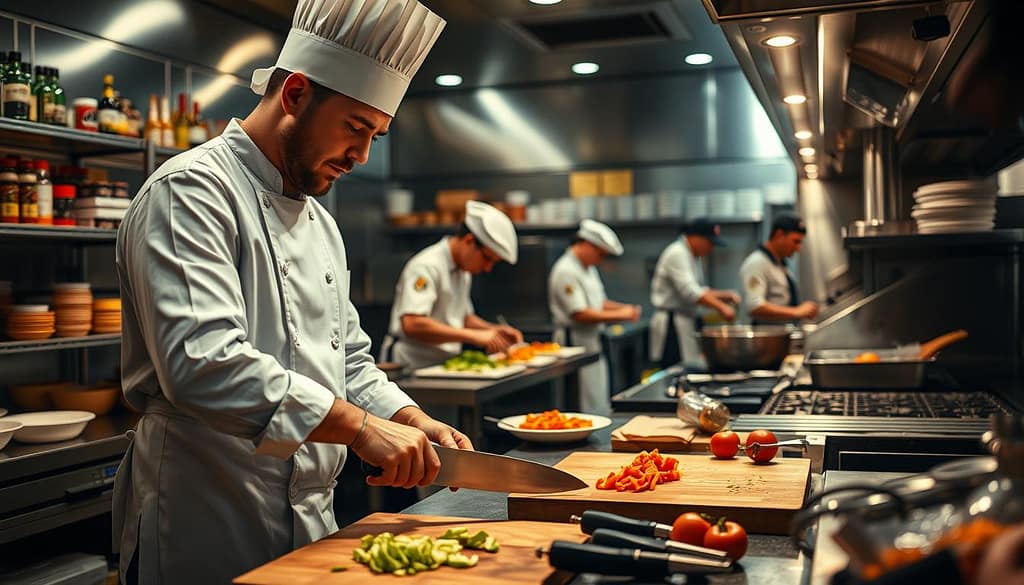
Good communication and teamwork are vital in a fast-paced kitchen environment. Essential elements include:
Kitchen Terminology
Familiarity with kitchen terminology is crucial for effective communication among kitchen staff. Line cooks must understand and use standard culinary terms to ensure clarity and precision.
Conflict Resolution
The ability to resolve conflicts professionally and efficiently is important, as kitchen environments can be high-pressure. Line cooks should be able to manage disagreements and maintain a positive working atmosphere.
| Skill Category | Key Skills | Importance Level |
|---|---|---|
| Technical Cooking Skills | Knife techniques, cooking methods mastery | High |
| Time Management and Organization | Multitasking abilities, prioritization strategies | High |
| Communication and Teamwork | Kitchen terminology, conflict resolution | High |
Different Types of Line Cook Positions
The diversity in line cook positions reflects the complexity and variety within the culinary industry. Line cooks are not a one-size-fits-all role; instead, they specialize in various stations and types of restaurants, each with its unique demands and expectations.
Station-Specific Roles
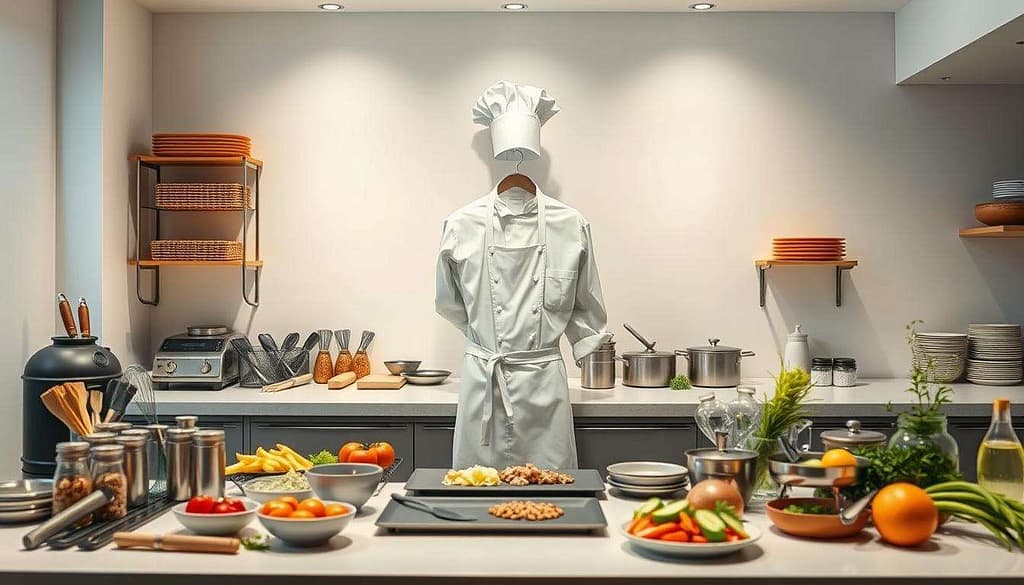
In a commercial kitchen, line cooks are often assigned to specific stations based on their skills and the kitchen’s needs. These roles are crucial for the smooth operation of the kitchen during service.
Sauté Cook Responsibilities
A sauté cook is responsible for preparing dishes that require quick cooking over high heat. This role demands precision and speed, as sautéed dishes are often served as part of the main course.
Grill Cook Duties
Grill cooks specialize in cooking menu items on the grill, requiring a good understanding of grilling techniques and the ability to manage grill temperatures effectively.
Fry and Pantry Cook Functions
Fry cooks are tasked with preparing fried foods, while pantry cooks handle cold dishes such as salads and appetizers. Both roles are vital for providing a balanced menu.
Specialty Restaurant Line Cooks
Line cooks in specialty restaurants, whether fine dining, casual, or institutional, face different expectations and challenges. Understanding these differences is key to succeeding in these roles.
Fine Dining Requirements
Fine dining line cooks must adhere to high culinary standards, focusing on presentation and flavor. Their role is demanding, requiring attention to detail and creativity.
Casual Dining Expectations
In casual dining environments, line cooks are expected to provide quick, quality service. They must be versatile and able to multitask, often handling multiple stations.
Institutional Cooking Differences
Institutional kitchens, such as those in schools or hospitals, require line cooks to prepare large quantities of food efficiently. They must follow strict guidelines and nutrition standards.
Understanding the different types of line cook positions is essential for those looking to advance their careers in the culinary industry. Each role has its unique challenges and requirements, and being aware of these can help aspiring line cooks choose the path that best suits their skills and interests.
Educational Requirements and Training Paths
The role of a line cook requires a blend of culinary knowledge and practical skills, obtained through different training paths. Aspiring line cooks can choose from a variety of educational and training opportunities to enhance their career prospects.
Formal Culinary Education Options
Formal culinary education provides a solid foundation for a career as a line cook. Institutions offering culinary programs equip students with essential cooking techniques, kitchen management skills, and food safety knowledge.
Culinary School Programs
Culinary schools offer comprehensive programs that cover various aspects of cooking and kitchen operations. These programs often include:
- Basic cooking techniques
- Menu planning and costing
- Kitchen management
- Food safety and sanitation
Community College Courses
Community colleges often provide culinary arts programs that are more affordable than traditional culinary schools. These courses cover fundamental cooking skills and may offer specializations in areas like baking or international cuisine.
On-the-Job Training Opportunities
On-the-job training is crucial for gaining practical experience as a line cook. Restaurants and culinary establishments offer various training programs to help newcomers develop their skills.
Apprenticeship Programs
Apprenticeships allow aspiring line cooks to work under the guidance of experienced chefs, learning the intricacies of kitchen operations and refining their cooking techniques.
Staging Experiences
Staging, or internships, in professional kitchens provide valuable hands-on experience. This type of training helps individuals understand the fast-paced environment of a commercial kitchen and build connections within the industry.
Certifications That Enhance Employability
Obtaining relevant certifications can significantly enhance a line cook’s employability. Certifications demonstrate a commitment to food safety and culinary excellence.
Food Safety Certifications
Certifications like Food Safety Certification are highly regarded in the industry. They indicate that a line cook is knowledgeable about proper food handling and safety protocols.
Specialized Cooking Certifications
Specialized certifications, such as those in pastry arts or sous vide cooking, can differentiate a line cook from others and open up opportunities for advancement.
Line Cook Work Environment and Conditions
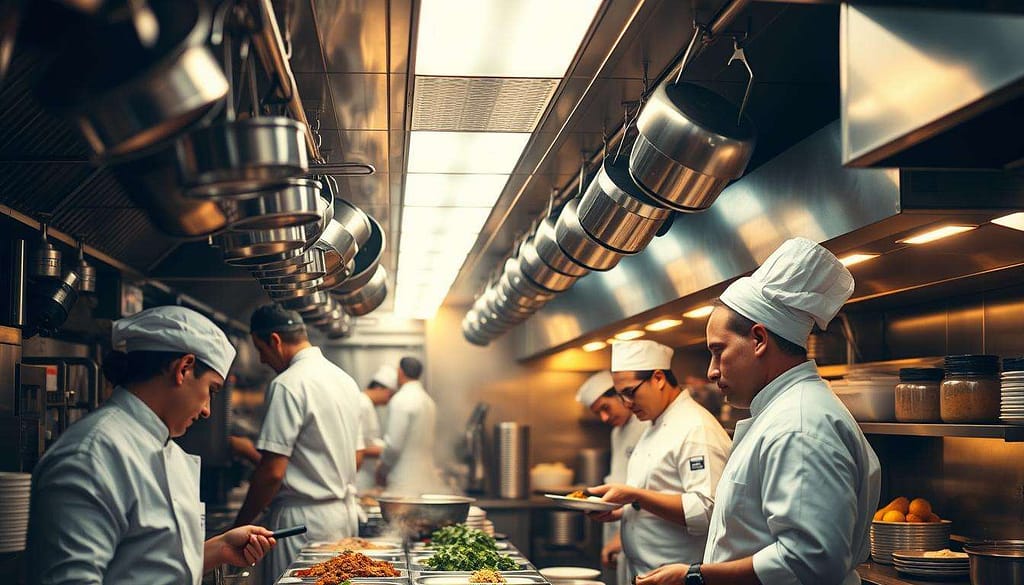
Line cooks operate in a fast-paced, dynamic kitchen environment that demands both physical stamina and culinary skill. The kitchen is a complex workplace where line cooks must be adept at managing their tasks efficiently while maintaining high standards of food quality and presentation.
Physical Demands and Conditions
The physical demands on line cooks are significant. They must work in a hot environment, often under intense pressure during service hours.
Heat and Pressure Management
Managing heat and pressure is crucial. Line cooks must be able to maintain their composure and efficiency even in the most stressful moments.
Standing and Physical Endurance
Standing for long periods and having the physical endurance to keep up with the demands of a busy kitchen are essential requirements.
Work Schedules and Hours
Line cooks often work long and irregular hours, including evenings, weekends, and holidays.
Shift Patterns
Shift patterns can vary significantly depending on the restaurant’s operating hours and the specific role within the kitchen.
Holiday and Weekend Expectations
Working on holidays and weekends is common, as these are often peak times for restaurants.
Kitchen Culture Considerations
The culture within a kitchen can vary significantly from one establishment to another.
Traditional Kitchen Hierarchies
Traditional kitchens often have a strict hierarchy, with clear lines of authority and responsibility.
Modern Workplace Improvements
Modern kitchens are evolving, with many adopting more flexible and supportive work environments.
As noted by Chef Thomas Keller, “The kitchen is a place where you can be creative, but it’s also a place where you have to be very disciplined.” This balance between creativity and discipline is a hallmark of successful line cooks.
| Aspect | Traditional Kitchen | Modern Kitchen |
|---|---|---|
| Hierarchy | Strict, with clear lines of authority | More flexible, with collaborative environments |
| Work-Life Balance | Often demanding, with long hours | Improving, with more emphasis on balance |
| Creativity | Allowed within traditional frameworks | Encouraged, with innovation valued |
Line Cook Salary Expectations and Benefits
The compensation for line cooks is influenced by several key factors, including their level of experience and the region they work in. Understanding these factors is crucial for line cooks to navigate their career paths effectively.
Entry-Level Compensation
For those just starting out, entry-level line cook positions provide a foundational income. The starting wages can vary significantly based on the type of restaurant.
Starting Wages by Restaurant Type
Fine dining establishments often offer higher starting wages compared to casual dining restaurants. For instance, a line cook in a high-end restaurant might start at $12 per hour, while in a casual setting, it might be around $9 per hour.
Tip Sharing Arrangements
In many restaurants, line cooks participate in tip-sharing arrangements. This means their total compensation can be influenced by the tips received during service, potentially increasing their overall earnings.
Experienced Line Cook Earnings
As line cooks gain experience, their earning potential increases. Experienced line cooks can command higher wages due to their expertise and efficiency in the kitchen.
Advancement-Based Increases
With experience, line cooks can move into senior positions or specialize in particular areas, leading to salary increases. For example, a senior line cook might earn up to $18 per hour.
Skill Premium Compensation
Line cooks who acquire specialized skills, such as sous vide cooking or pastry preparation, can receive premium compensation for their expertise.
Regional Salary Variations
Line cook salaries also vary significantly by region. The cost of living, local culinary scene, and demand for skilled kitchen staff all influence wages.
Urban vs. Rural Differences
Urban areas, particularly major cities like New York or San Francisco, tend to offer higher salaries compared to rural areas. This is due to the higher cost of living and greater demand for dining experiences.
State-by-State Comparisons
There are also variations within states. For example, line cooks in states with a high cost of living, like California or New York, generally earn more than those in states with a lower cost of living.
By understanding these factors, line cooks can better navigate their career paths and maximize their earnings potential.
Career Advancement Opportunities for Line Cooks
The role of a line cook serves as a foundational step in a culinary career, offering numerous avenues for advancement and professional growth. As line cooks gain experience and develop their skills, they can explore various career paths that align with their interests and strengths.
Paths to Sous Chef and Beyond
One of the most direct career advancement paths for line cooks is progressing to the role of sous chef and potentially becoming an executive chef. This involves developing leadership skills, mastering kitchen operations, and understanding menu planning and food costing.
Traditional Promotion Timelines
Typically, a line cook can expect to be considered for a sous chef position after 2-3 years of experience, depending on their performance, the size of the kitchen, and the restaurant’s structure.
Skills Required for Advancement
To advance, line cooks need to demonstrate exceptional cooking skills, attention to detail, and the ability to work well under pressure. Leadership and communication skills are also crucial as they take on more responsibilities.
Specialization Options
Line cooks can also choose to specialize in specific areas of the kitchen, enhancing their career prospects and potentially increasing their earning potential.
Pastry and Baking Transitions
Some line cooks may choose to transition into pastry or baking roles, requiring additional training but offering a new challenge and potentially higher rewards.
Butchery and Specialty Preparation
Specializing in butchery or other specialty preparations can also be a lucrative career path, involving detailed work and a deep understanding of meat preparation and presentation.
Entrepreneurial Opportunities
For those with a business inclination, there are several entrepreneurial paths available, from offering personal chef services to starting a food truck or small culinary business.
Personal Chef Services
Offering personal chef services allows individuals to work directly with clients, creating customized menus and dining experiences.
Food Truck and Small Business Ventures
Starting a food truck or small business requires business acumen, culinary creativity, and a deep understanding of local food regulations and market trends.
| Career Path | Typical Experience Required | Key Skills |
|---|---|---|
| Sous Chef | 2-3 years | Leadership, kitchen management |
| Pastry Specialist | 1-2 years + pastry training | Pastry making, decoration |
| Butcher/Meat Specialist | 1-2 years + butchery training | Meat preparation, cutting |
| Personal Chef/Food Entrepreneur | Variable | Business skills, menu planning |
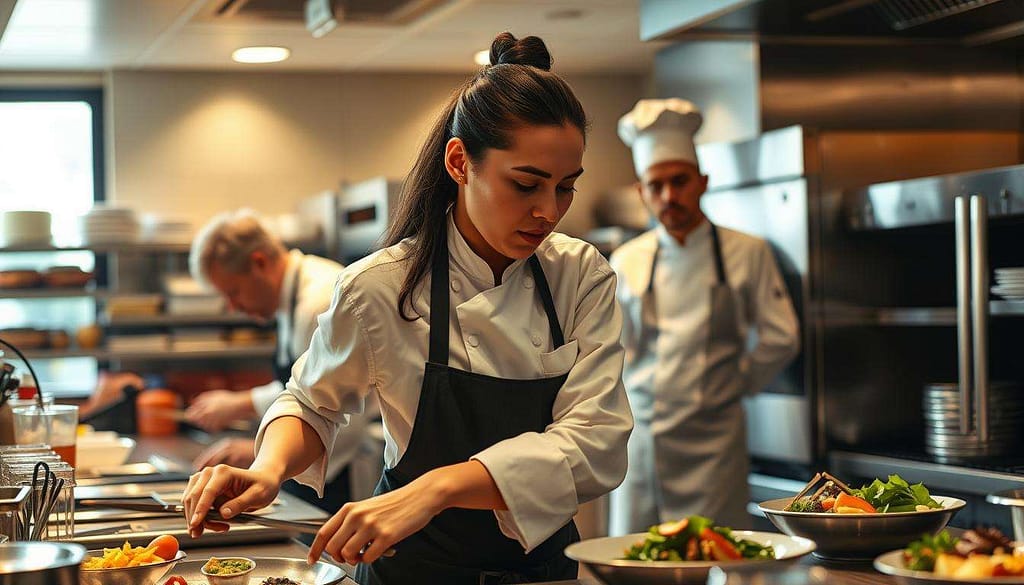
By understanding these career advancement opportunities, line cooks can better plan their professional growth, whether through traditional kitchen hierarchies or by exploring new culinary ventures.
Current Industry Trends Affecting Line Cooks
Emerging trends are reshaping the role of line cooks in modern kitchens. The culinary industry is constantly evolving, and line cooks must adapt to new technologies, changing consumer preferences, and shifting labor market dynamics.
Technology in the Kitchen
The integration of technology in kitchens is revolutionizing the way line cooks work. From digital ordering systems to smart equipment, technology is enhancing efficiency and productivity.
Digital Ordering Systems
Digital ordering systems are becoming increasingly popular, allowing restaurants to streamline their operations and improve customer experience. Line cooks must be able to navigate these systems effectively.
Smart Equipment Adoption
The adoption of smart equipment is another significant trend. These advanced appliances can help line cooks prepare dishes more efficiently and consistently, reducing the likelihood of errors during service.
Changing Restaurant Models
The restaurant industry is witnessing a shift in business models, with ghost kitchens and fast-casual concepts gaining traction. Line cooks need to be versatile and able to adapt to these changing environments.
Ghost Kitchens and Delivery-Only Concepts
Ghost kitchens, also known as virtual or cloud kitchens, operate without a physical dining space, focusing on delivery and takeaway orders. Line cooks working in these environments must be highly efficient in preparing dishes for off-premise consumption.
Fast-Casual Growth Impact
The growth of fast-casual dining is another trend affecting line cooks. These establishments require a different approach to food preparation and service, often emphasizing speed and convenience.
Labor Market Shifts
Labor market shifts, including worker shortages and changing wage expectations, are impacting the line cook profession. Restaurants must navigate these challenges to attract and retain skilled line cooks.
Worker Shortage Implications
The shortage of skilled kitchen staff is a significant issue. Restaurants are having to get creative with recruitment and retention strategies to maintain their workforce.
Wage Pressure and Benefits Evolution
There’s also a trend towards higher wages and better benefits for line cooks. As the labor market evolves, restaurants must consider these factors to remain competitive.
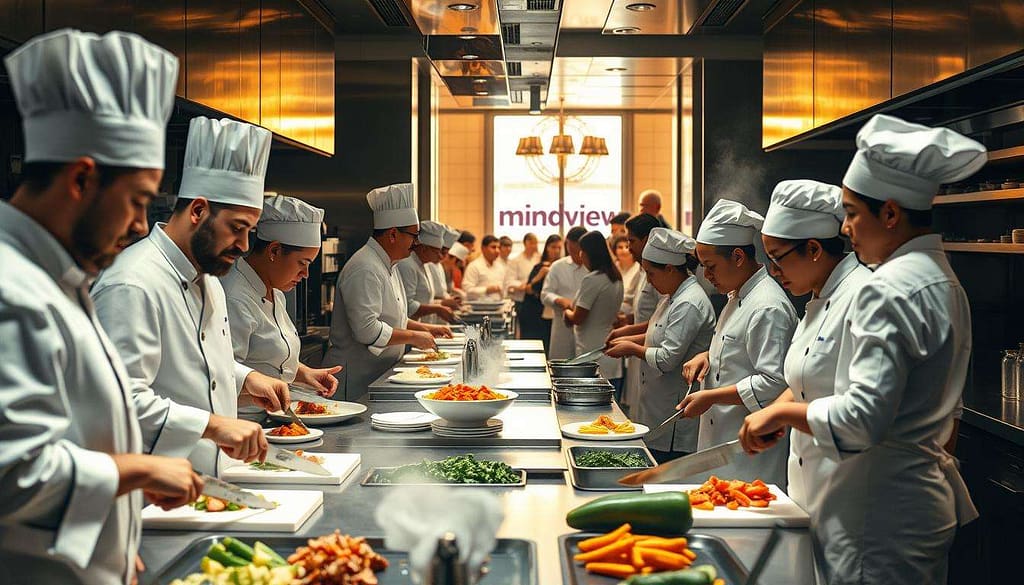
Expert Tips for Success as a Line Cook
Line cooks play a crucial role in the success of any restaurant, and there are several strategies they can employ to enhance their performance. To achieve success in this demanding role, line cooks must focus on building their skills, developing professional relationships, and maintaining a healthy work-life balance.
Building Speed and Efficiency
One of the key factors in a line cook’s success is their ability to work efficiently during service. This involves both mastering cooking techniques and optimizing their workflow.
Practice Techniques
Regular practice helps line cooks develop muscle memory for various cooking tasks, allowing them to work more quickly and accurately. Repetition is key to mastering different cooking methods and techniques.
Workflow Optimization
Organizing their workstation and planning tasks in advance can significantly improve a line cook’s efficiency. This includes preparing ingredients before service and maintaining a clean, organized kitchen environment.
Developing Professional Relationships
Building strong professional relationships is vital for line cooks. This includes working effectively with other kitchen staff and developing mentorship opportunities.
Mentorship Opportunities
Seeking guidance from experienced chefs can provide valuable insights and help line cooks improve their skills. Mentorship can be a powerful tool for career advancement.
Networking in the Industry
Attending culinary events and joining professional organizations can help line cooks expand their network and stay informed about industry trends.
Maintaining Work-Life Balance
The demanding nature of a line cook’s job can make it challenging to maintain a healthy work-life balance. However, implementing stress management strategies and prioritizing health and wellness are crucial.
Stress Management Strategies
Techniques such as meditation and time management can help line cooks manage the stresses of their job and maintain their overall well-being.
Health and Wellness Priorities
Maintaining a healthy diet and getting regular exercise are essential for line cooks to manage the physical demands of their job.
| Tip | Benefit |
|---|---|
| Practice cooking techniques regularly | Improved speed and accuracy |
| Optimize your workflow | Increased efficiency during service |
| Develop professional relationships | Better teamwork and career opportunities |
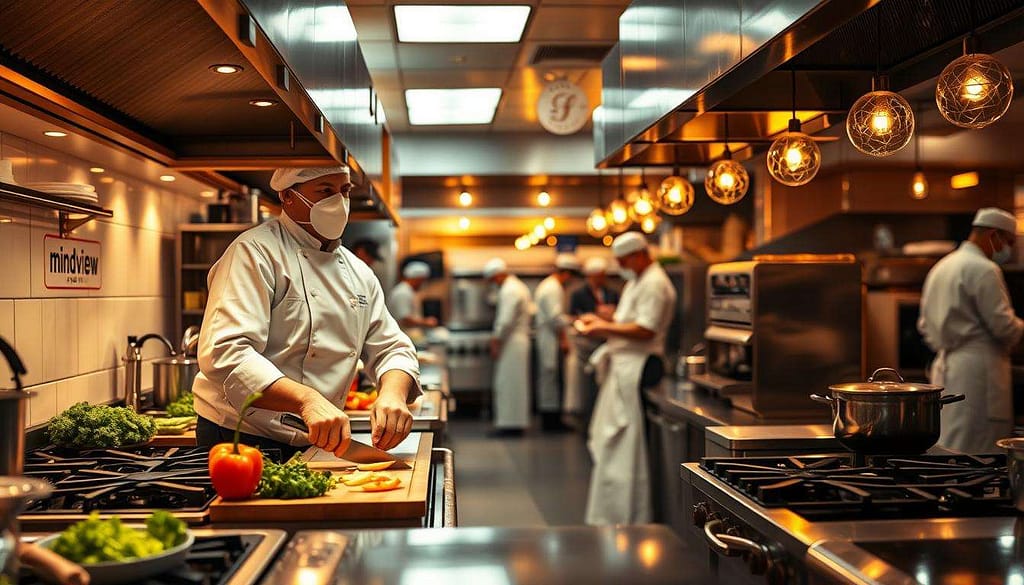
Conclusion: The Vital Role of Line Cooks in Culinary Success
The role of a line cook is fundamental to the success of any culinary establishment. Understanding what is a line cook and their importance in the kitchen hierarchy is crucial for appreciating the complexity of a restaurant’s operations. Line cooks are the backbone of the culinary industry, responsible for preparing and cooking dishes to exacting standards.
Their contributions are invaluable, as they work tirelessly to ensure that every dish that leaves the kitchen is of high quality. The line cook importance cannot be overstated, as they are essential to maintaining the efficiency and productivity of the kitchen. By mastering various cooking techniques and working well under pressure, line cooks play a critical role in delivering an exceptional dining experience.
As the culinary industry continues to evolve, the demand for skilled line cooks remains strong. Their ability to adapt to new trends, ingredients, and cooking methods makes them indispensable. By recognizing the vital role that line cooks play, we can appreciate the hard work and dedication that goes into creating memorable meals.
FAQ
What is a line cook?
A line cook is a chef or cook responsible for preparing and cooking food in a restaurant or other food service establishment. They are typically assigned to a specific station on the line, such as sauté, grill, or fryer, and are responsible for preparing and cooking menu items to order.
What are the primary duties of a line cook?
The primary duties of a line cook include food preparation, cooking, and plating menu items, as well as maintaining a clean and organized workstation, adhering to kitchen safety and sanitation protocols, and working effectively as part of a team to ensure efficient service.
What skills are required to be a successful line cook?
To be a successful line cook, one needs to possess technical cooking skills, such as knife techniques and cooking methods mastery, as well as time management and organization skills, including multitasking abilities and prioritization strategies. Good communication and teamwork skills are also essential.
What kind of training or education is required to become a line cook?
While formal culinary education is not always required, it can be beneficial in securing a line cook position. Many line cooks complete culinary school programs, community college courses, or on-the-job training through apprenticeships or staging experiences. Certifications, such as food safety certifications, can also enhance employability.
What is the typical salary range for a line cook?
The salary range for line cooks varies based on factors such as location, restaurant type, level of experience, and shift patterns. Entry-level line cooks can expect to earn a starting wage, while experienced line cooks can earn higher wages, including advancement-based increases and skill premium compensation.
What are the opportunities for career advancement as a line cook?
Line cooks can advance to senior roles, such as sous chef or executive chef, with experience and additional training. They can also specialize in specific areas, such as pastry or butchery, or explore entrepreneurial opportunities, such as personal chef services or food truck ventures.
How do industry trends affect line cooks?
Industry trends, such as technological advancements, changes in restaurant models, and labor market shifts, can impact line cooks. For example, digital ordering systems and smart equipment adoption can change the way line cooks work, while labor shortages and wage pressure can affect working conditions and compensation.
What tips can help line cooks succeed in their roles?
To succeed as a line cook, it’s essential to build speed and efficiency, develop professional relationships, and maintain work-life balance. This can be achieved through practice techniques, workflow optimization, mentorship opportunities, and stress management strategies.