“Drink Like a Kid, Buzz Like an Adult: Teddy Graham Latte Recipe”

Imagine sipping on a delicious latte that combines the nostalgia of childhood with the sophistication of an adult coffee drink. The Teddy Graham Latte Recipe is a unique blend that will transport you back to your favorite childhood treats while giving you the adult coffee buzz you’re looking for.
This delightful homemade latte recipe brings together the comforting flavors of Teddy Grahams cookies with the richness of coffee, creating a drink that’s perfect for both kids and adults. With simple ingredients and easy-to-follow steps, you can enjoy this tasty treat in the comfort of your own home.
Key Takeaways
- Easy-to-make latte recipe using Teddy Grahams cookies
- Combines childhood nostalgia with adult coffee sophistication
- Perfect for both kids and adults to enjoy
- Simple ingredients required for this homemade latte
- Delicious and comforting drink for any time of day
The Nostalgic Appeal of Teddy Grahams
Teddy Grahams have a special place in the hearts of many, serving as a delicious link to the past and a reminder of the simple pleasures in life. These adorable bear-shaped graham crackers have been a beloved snack for generations, evoking a strong sense of nostalgia in those who enjoyed them during their childhood.
The History of Teddy Graham Cookies
Teddy Grahams, introduced by Annie’s Homegrown (previously owned by General Mills), have a rich history that dates back to the late 20th century. Originally part of the Graham cracker family, Teddy Grahams were designed to be a fun twist on the classic snack, with their bear shape adding an element of whimsy and delight.
The evolution of Teddy Grahams over the years has seen various flavors and packaging, but the core appeal has remained the same: a tasty, convenient snack that is both fun and nostalgic.
Why Childhood Flavors Appeal to Adults
Childhood flavors like Teddy Grahams have a profound effect on adults, often evoking a strong emotional response. This nostalgia is not just about the taste; it’s about the memories and feelings associated with the snack.
For many, incorporating childhood flavors into adult beverages, such as a Teddy Graham Latte, is a way to relive fond memories while enjoying a sophisticated twist on a classic favorite.
| Aspect | Childhood Appeal | Adult Appeal |
|---|---|---|
| Taste | Simple, familiar flavors | Nostalgic, comforting taste |
| Emotional Connection | Joy, simplicity | Nostalgia, sentimental value |
| Usage | Snack time, lunchboxes | Creative ingredient in recipes, like lattes |
The Rise of Dessert-Inspired Coffee Drinks
The world of coffee is witnessing a sweet revolution with the rise of dessert-inspired coffee drinks. This trend has transformed the way we experience coffee, making it more than just a morning pick-me-up. Coffee shops and home brewers are now experimenting with flavors that evoke the nostalgia of childhood desserts.
From Pumpkin Spice to Cookie Lattes
The journey of dessert-inspired coffee drinks has been remarkable. It began with the popularity of pumpkin spice lattes and has now evolved into more creative flavors like cookie lattes. The Teddy Graham Latte is a perfect example of this innovation, combining the comforting taste of graham crackers with the richness of coffee.

Social Media’s Influence on Beverage Trends
Social media platforms like Instagram have played a significant role in the rise of dessert-inspired coffee drinks. The visual appeal of these drinks makes them perfect for sharing online, creating a viral effect that drives their popularity. As a result, coffee shops are now focusing on creating drinks that are not only delicious but also visually stunning.
| Trend | Description | Impact |
|---|---|---|
| Pumpkin Spice | A fall favorite, combining pumpkin flavors with coffee | Popularized seasonal coffee drinks |
| Cookie Lattes | Coffee drinks flavored like various cookies | Increased creativity in coffee flavoring |
| Dessert-Inspired Drinks | Coffee drinks that taste like popular desserts | Enhanced visual appeal and shareability on social media |
What Makes a Teddy Graham Latte Special
What sets the Teddy Graham Latte apart is its perfect blend of sweet and caffeinated flavors, making it a treat for both kids and adults. This unique beverage combines the nostalgic taste of Teddy Grahams with the energizing effect of coffee, creating a truly special drinking experience.
The Perfect Balance of Sweet and Caffeinated
The Teddy Graham Latte achieves a delightful balance between sweetness and caffeine, making it appealing to a wide range of palates. The sweetness comes from the graham cracker flavor, reminiscent of childhood treats, while the coffee provides a sophisticated adult twist.
The key to this balance is understanding the flavor profile and adjusting the ingredients accordingly to suit your taste preferences.
Flavor Profile Breakdown
The Teddy Graham Latte’s flavor profile is a complex blend of graham cracker notes and a creamy coffee base. Let’s break down these components to understand their contribution to the overall taste.
The Graham Cracker Notes
The graham cracker flavor is a crucial element, providing a sweet and slightly malty taste that is instantly recognizable. This flavor component is what gives the latte its nostalgic appeal, reminding many of childhood snacks.
The Creamy Coffee Base
The coffee base is rich and creamy, providing a smooth texture that complements the graham cracker flavor. The quality of the coffee is essential, as it forms the backbone of the latte, ensuring it’s both flavorful and caffeinated.
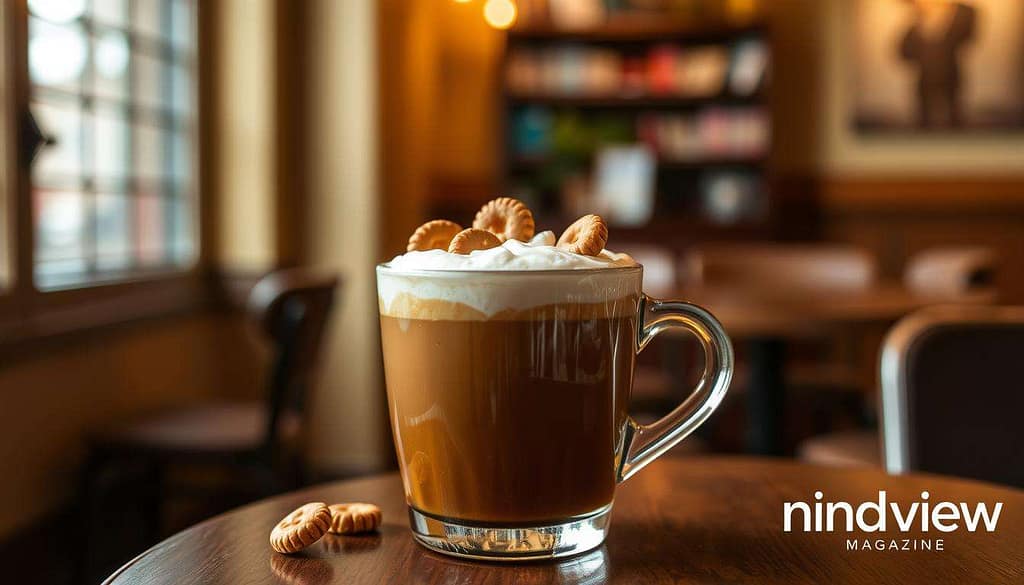
| Flavor Component | Description | Contribution to Latte |
|---|---|---|
| Graham Cracker Notes | Sweet and slightly malty | Nostalgic appeal, sweetness |
| Creamy Coffee Base | Rich and smooth | Flavorful, caffeinated |
| Balance of Flavors | Harmonious blend | Appeals to both kids and adults |
Essential Ingredients for Your Teddy Graham Latte
Creating a delicious Teddy Graham Latte starts with gathering the right ingredients. The unique flavor profile of this drink relies on a combination of familiar components, carefully selected to recreate the nostalgic taste of Teddy Grahams in a coffee drink.
Coffee Components
The base of your Teddy Graham Latte is, of course, coffee. You can use either espresso or strong brewed coffee. For a more authentic latte experience, consider using espresso. If you don’t have an espresso machine, a French press or Aeropress can produce a suitably strong coffee.
For those who prefer a milder flavor, a medium to dark roast coffee works well. The roast level can significantly impact the flavor, with darker roasts offering a richer, more bitter taste to balance the sweetness of the graham cracker element.
The Graham Cracker Element
The distinctive flavor of Teddy Grahams comes from the graham cracker coating. To replicate this, you’ll need graham cracker crumbs or syrup. You can either buy graham cracker crumbs or make your own by blending graham crackers in a food processor. For a more intense flavor, consider making a graham cracker syrup by dissolving the crumbs in a simple syrup.
Milk and Cream Options
The creamy texture of a latte comes from milk and/or cream. You can use dairy milk (whole milk, half-and-half, or heavy cream for a richer taste) or opt for a non-dairy milk alternative like almond milk, oat milk, or coconut milk, depending on your dietary preferences.
Sweeteners and Additional Flavorings
To enhance the flavor, you may want to add sweeteners or additional flavorings. Common sweeteners include sugar, honey, or simple syrup. For extra flavor, consider adding vanilla extract or a pinch of salt to balance the sweetness.
| Ingredient | Purpose | Options |
|---|---|---|
| Coffee | Base of the latte | Espresso, strong brewed coffee |
| Graham Cracker Element | Teddy Grahams flavor | Graham cracker crumbs, graham cracker syrup |
| Milk/Cream | Creamy texture | Dairy milk, non-dairy milk alternatives |
| Sweeteners/Flavorings | Enhance flavor | Sugar, honey, simple syrup, vanilla extract, salt |
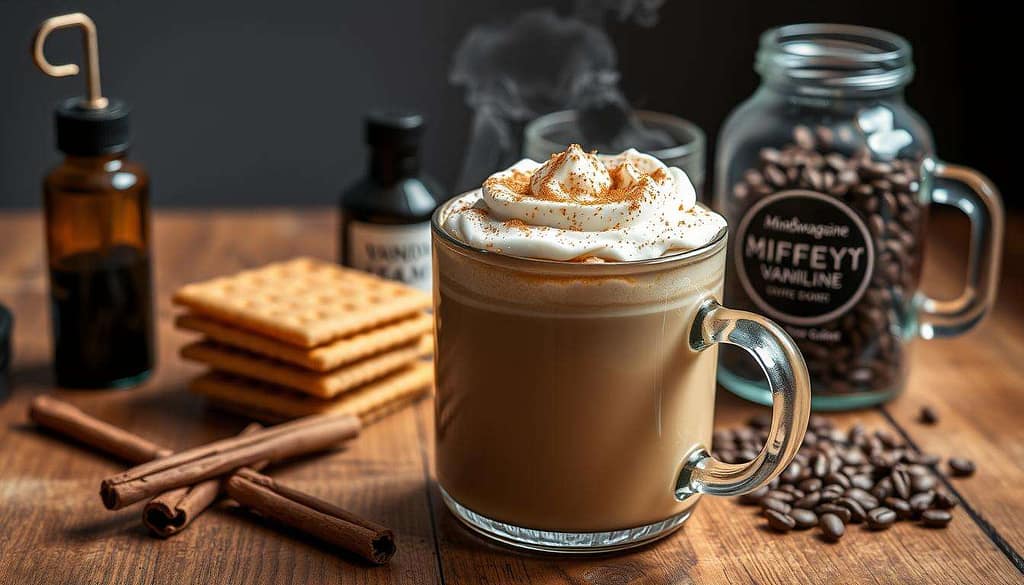
Equipment You’ll Need
The right equipment is crucial for creating a delicious Teddy Graham Latte. To get started, you’ll need some basic kitchen tools and, optionally, some specialty coffee equipment.
Basic Kitchen Tools
To make a Teddy Graham Latte, you’ll need the following basic kitchen tools:
- A medium saucepan for heating milk
- A fine-mesh strainer or sieve
- A measuring cup and spoons
- A whisk or milk frother
- A large mug
These tools are likely already in your kitchen, making it easy to get started on your Teddy Graham Latte recipe.
Optional Specialty Coffee Equipment
For those who want to elevate their Teddy Graham Latte experience, consider investing in:
- An espresso machine for a stronger coffee base
- A steam wand on an espresso machine or a separate milk frother for creamy foam
- A coffee grinder for freshly grinding your coffee beans
Using these specialty tools can enhance the flavor and texture of your latte, making it even more enjoyable.
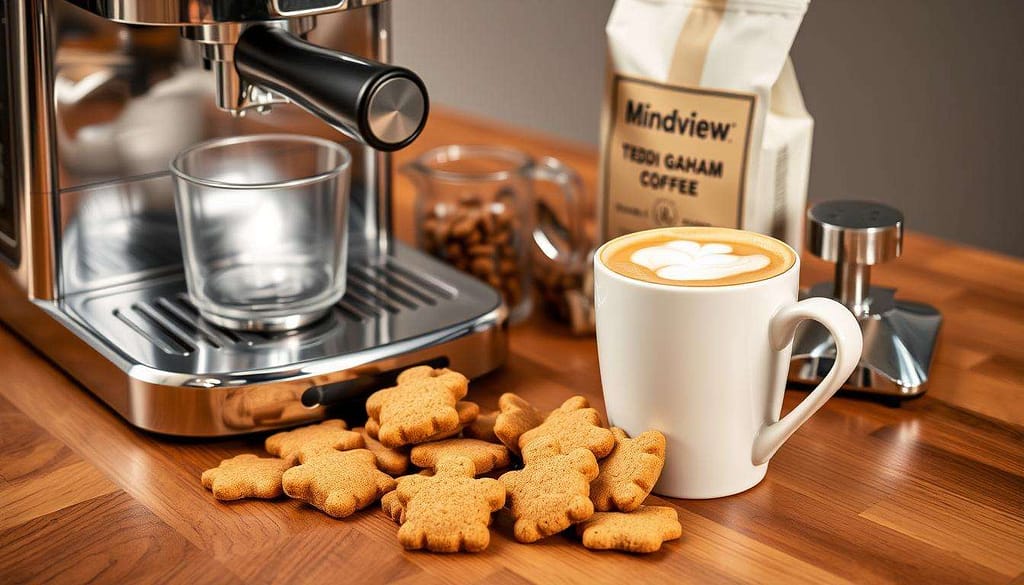
Drink Like a Kid, Buzz Like an Adult: Teddy Graham Latte Recipe
Creating your own Teddy Graham Latte at home is easier than you think, and we’re here to guide you through it. This delightful drink combines the nostalgic taste of Teddy Grahams with the energizing buzz of coffee, making it perfect for adults looking to recapture some childhood magic.
Preparing the Graham Cracker Syrup
The graham cracker syrup is a crucial component of the Teddy Graham Latte, providing a sweet and crunchy flavor reminiscent of childhood snacks. To make it, you’ll need:
- 1 cup granulated sugar
- 1 cup water
- 2 tablespoons graham cracker crumbs
Combine the sugar and water in a saucepan, heating it until the sugar dissolves. Add the graham cracker crumbs and let it simmer for a few minutes. Strain the syrup and let it cool.
Brewing the Perfect Coffee Base
A good coffee base is essential for a great latte. Use a high-quality coffee bean and brew a strong cup according to your preferred method. Whether you use a French press, drip coffee maker, or espresso machine, ensure the coffee is rich and full-bodied.
Assembly and Garnishing
To assemble your Teddy Graham Latte, start with a layer of graham cracker syrup in a glass, followed by steamed milk. Pour the brewed coffee over the milk, holding back the foam. Top with whipped cream and a sprinkle of graham cracker crumbs for garnish.

For an extra-special touch, consider adding a few Teddy Grahams on top or a drizzle of caramel sauce. The result is a deliciously unique latte that combines the best of both worlds: the fun of childhood flavors with the sophistication of a coffeehouse drink.
By following these simple steps, you can enjoy a Teddy Graham Latte that’s both kid-friendly and adult-approved, perfect for any time of day.
Kid-Friendly Variations (Without the Buzz)
Transforming the Teddy Graham Latte into a kid-friendly treat is easier than you think. By making a few simple adjustments, you can create a delicious and fun drink that kids of all ages will love.
Caffeine-Free Alternatives
To make the Teddy Graham Latte suitable for kids, the first step is to replace the caffeinated coffee with a caffeine-free alternative. You can use decaf coffee or opt for herbal coffee substitutes like chicory or rooibos tea. Another great option is to use hot chocolate as the base, adding a rich, chocolatey flavor that kids will adore.
Extra Fun Toppings for Little Ones
Making the Teddy Graham Latte fun for kids involves more than just removing the caffeine; it’s also about adding exciting toppings. Here are some ideas to get you started:
Colorful Sprinkle Ideas
- Rainbow sprinkles for a colorful touch
- Sparkly edible glitter for added festivity
- Colorful candy pieces, like M&M’s or chopped peanut butter cups
Teddy Graham Garnishes
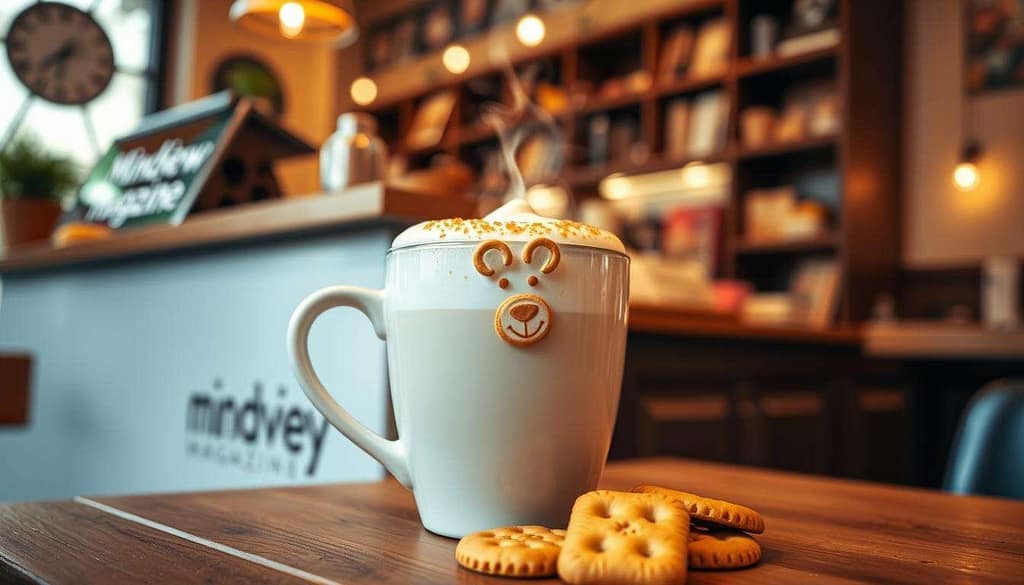
To tie in with the Teddy Graham theme, consider garnishing with additional Teddy Grahams cookies. You can crush them and sprinkle them on top of whipped cream or leave them whole to stick into the drink. It’s a fun way to make the drink feel like a special treat.
| Topping | Description |
|---|---|
| Whipped Cream | A classic topping that kids love, can be flavored with vanilla or other syrups |
| Crushed Teddy Grahams | Adds a fun textural element and reinforces the Teddy Graham flavor |
| Marshmallows | Mini marshmallows can be added on top for a fun, fluffy treat |
By incorporating these ideas, you can create a kid-friendly Teddy Graham Latte that’s sure to be a hit with the little ones. It’s a great way to include them in the fun of enjoying specialty drinks, making it a treat for the whole family.
Adult Enhancements for Your Teddy Graham Latte
Elevate your Teddy Graham Latte game by incorporating sophisticated ingredients that will make your coffee drink truly special. As you explore these enhancements, you’ll discover new ways to enjoy your favorite childhood flavor with an adult twist.
Liqueur Additions
Adding a liqueur to your Teddy Graham Latte can transform it into a rich and indulgent treat. The key is to choose a liqueur that complements the graham cracker and coffee flavors.
Baileys and Kahlúa Options
Baileys Irish Cream adds a creamy texture and a subtle Irish whiskey flavor that pairs well with the sweetness of the graham cracker. Kahlúa, on the other hand, brings a deep, coffee-forward flavor that enhances the overall coffee experience. Try combining both for a decadent and creamy latte.
Bourbon and Rum Variations
For those who prefer a stronger spirit, bourbon or rum can add a fascinating dimension to your Teddy Graham Latte. A small amount of bourbon can introduce warm, vanilla notes, while rum can bring a hint of tropical flavor. Experiment with different types and amounts to find your perfect balance.
Sophisticated Flavor Combinations
Beyond liqueurs, you can further enhance your Teddy Graham Latte with sophisticated flavor combinations. Consider adding a drizzle of caramel or a sprinkle of sea salt to complement the graham cracker flavor. You can also experiment with different spices, such as cinnamon or nutmeg, to add warmth and depth to your latte.

For a truly unique experience, try pairing your Teddy Graham Latte with complementary flavors like vanilla or hazelnut. The possibilities are endless, and the result is sure to be a deliciously adult twist on a childhood favorite.
Troubleshooting Your Teddy Graham Latte
If your Teddy Graham Latte isn’t turning out as expected, don’t be discouraged – a few simple tweaks can make all the difference. Whether you’re a seasoned barista or a coffee newbie, making adjustments to your latte can elevate your drinking experience.
Common Preparation Mistakes
When preparing your Teddy Graham Latte, a few common mistakes can affect the taste and quality. Here are some issues to watch out for:
- Incorrect syrup ratio: Using too much or too little graham cracker syrup can throw off the balance of flavors.
- Insufficient coffee strength: If your coffee base is too weak, it won’t hold up to the other ingredients.
- Improper milk frothing: Frothing milk to the right consistency is crucial for a smooth, creamy texture.

Adjusting Flavors to Your Preference
One of the joys of making your own Teddy Graham Latte is customizing it to your taste. Here are some tips for adjusting the flavors:
Making It Sweeter or Less Sweet
If you prefer your latte sweeter, you can add more graham cracker syrup or a drizzle of honey on top. Conversely, if it’s too sweet, reduce the amount of syrup or use less sweetener in your coffee base.
- For a sweeter latte: Add an extra pump of graham cracker syrup or try flavored simple syrups like vanilla or caramel.
- For a less sweet latte: Reduce the graham cracker syrup by half or use a less sweet coffee base.
Balancing the Coffee Strength
The strength of your coffee base can greatly impact the overall flavor of your Teddy Graham Latte. Here are some tips for balancing it:
- Adjust your coffee brewing method: If you use a French press, try adjusting the coffee-to-water ratio. For drip coffee, experiment with different coffee beans.
- Experiment with coffee roast levels: Lighter roasts are more acidic and fruity, while darker roasts are richer and bolder.
By making these adjustments, you can create a Teddy Graham Latte that perfectly suits your taste preferences. Whether you’re making it for yourself or serving it to others, a little troubleshooting can go a long way in ensuring everyone enjoys their drink.
Conclusion: Rediscovering Joy Through Flavor
Rediscovering childhood flavors can be a delightful experience, especially when combined with the sophistication of adult beverages. The Teddy Graham Latte is a perfect example of this blend, offering a unique taste that is both nostalgic and refined.
By following the “drink like a kid, buzz like an adult teddy graham latte recipe,” you can create a teddy graham flavored latte that is sure to impress. Whether you’re looking to relive fond memories or simply enjoy a delicious latte drink, this recipe is a great way to do so.
The Teddy Graham Latte is more than just a drink; it’s an experience that combines the comfort of childhood with the excitement of adult indulgence. So, go ahead and give it a try – your taste buds will be delighted.
FAQ
What is a Teddy Graham Latte?
A Teddy Graham Latte is a unique coffee drink that combines the flavors of Teddy Graham cookies with a rich, creamy coffee base, creating a nostalgic and delicious beverage for both kids and adults.
Can I make a Teddy Graham Latte without coffee?
Yes, you can make a caffeine-free version of the Teddy Graham Latte by substituting the coffee with a decaf alternative or using a different base such as hot chocolate.
What type of milk is best for a Teddy Graham Latte?
The best type of milk for a Teddy Graham Latte depends on personal preference, but popular options include whole milk, almond milk, and oat milk, which complement the graham cracker and coffee flavors well.
How do I prepare the graham cracker syrup for the latte?
To prepare the graham cracker syrup, you will need to blend graham crackers with a simple syrup made from sugar and water, then strain the mixture to create a smooth, flavorful syrup.
Can I customize the Teddy Graham Latte with different liqueurs?
Yes, you can enhance your Teddy Graham Latte with various liqueurs such as Baileys, Kahlúa, bourbon, or rum to give it a sophisticated twist.
How can I make the Teddy Graham Latte more kid-friendly?
To make a kid-friendly Teddy Graham Latte, you can omit the coffee or use a decaf alternative, and add fun toppings such as whipped cream, sprinkles, or extra Teddy Grahams.
What are some common mistakes when making a Teddy Graham Latte?
Common mistakes include using too much or too little graham cracker syrup, not brewing the coffee strong enough, or not balancing the sweetness and flavors correctly.
Can I adjust the sweetness level of the Teddy Graham Latte?
Yes, you can adjust the sweetness level to your taste by adding more or less simple syrup, graham cracker syrup, or other sweeteners like sugar or honey.
Is the Teddy Graham Latte suitable for special occasions?
Absolutely, the Teddy Graham Latte is a unique and fun drink that can be perfect for special occasions like parties, holidays, or just a cozy afternoon treat.