Film Industry News & Trends
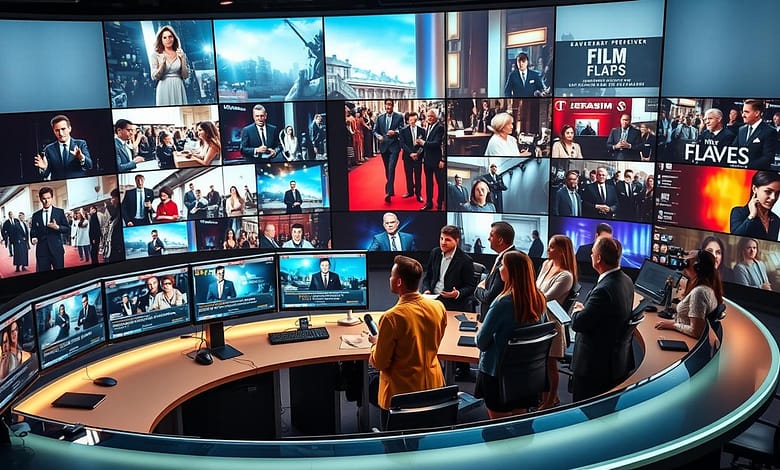
The film industry is experiencing a significant shift, with global box office revenues projected to reach $44.7 billion by 2025, driven by the rise of streaming services and changing consumer behaviors.
This evolution is marked by major studio announcements, upcoming blockbuster films, and emerging trends that are reshaping the cinematic landscape.

As a hub for film enthusiasts and industry professionals alike, staying updated on the latest movie news and entertainment news is crucial.
Key Takeaways
- Global box office revenues are on the rise.
- Streaming services are driving industry growth.
- Major studios are announcing new projects.
- Emerging trends are changing consumer behaviors.
- The cinematic landscape is evolving rapidly.
The Current State of Hollywood
The current state of Hollywood is marked by major studios adapting to new market conditions. As the film industry continues to recover from the pandemic, key players are adjusting their strategies to stay competitive.
Major Studios and Their Market Positions
The Hollywood landscape is dominated by a few major studios, including Disney, Warner Bros., and Universal. These studios have maintained their market positions through a combination of strategic releases and savvy marketing.
Disney, Warner Bros., Universal, and Other Key Players
Disney’s acquisition of 20th Century Fox has significantly bolstered its market share, while Warner Bros. continues to benefit from its successful DC franchise. Universal has also seen success with its Jurassic World franchise. Other key players, such as Sony and Paramount, are also making significant contributions to the industry.
- Disney: Strengthened by the acquisition of 20th Century Fox
- Warner Bros.: Benefiting from the DC franchise
- Universal: Successful with the Jurassic World franchise
Post-Pandemic Recovery Efforts
The pandemic had a devastating impact on the film industry, but studios are now working to recover lost ground. Production restarts and strategic box office releases are key components of this recovery.
Box Office Rebounds and Production Restarts
As vaccination efforts continue and theaters reopen, the box office is experiencing a rebound. Films like Spider-Man: No Way Home and The Batman have performed well, indicating a strong recovery. Productions are also restarting, with many films and TV shows back in production.
According to recent box office reports, the industry is on track for a full recovery. With major studios leading the charge and a robust slate of upcoming films, the future of Hollywood looks bright.
Breaking Film Industry Updates
The film industry is constantly evolving, with recent updates reshaping the landscape. This dynamic environment is characterized by studio announcements, mergers, and changes in policy that affect how content is produced and distributed.
Recent Studio Announcements and Shake-ups
Recent months have seen significant announcements from major studios, including reorganizations and new project greenlights. For instance, some studios are focusing on expanding their streaming services, while others are investing in new production technologies.
- Studio restructuring efforts
- New franchise announcements
- Shifts in leadership
Industry Mergers and Acquisitions
The film industry has witnessed a surge in mergers and acquisitions, with companies looking to consolidate resources and expand their market share. This trend is expected to continue, shaping the industry’s future.
Policy Changes Affecting Production and Distribution
New policies are being implemented to address the changing landscape, including updates to release window strategies and new guidelines for content creation. These changes will have a significant impact on how films are made and distributed.

Upcoming Films to Watch in 2023-2024
With a slate of exciting new releases, 2023-2024 is shaping up to be an incredible year for cinema enthusiasts. The film industry is abuzz with anticipation for a diverse range of movies that promise to captivate audiences worldwide.
Highly Anticipated Blockbusters and Franchise Entries
The year’s lineup is packed with superhero films and action spectacles that are set to dominate the box office. Fans of the Marvel Cinematic Universe (MCU) are in for a treat with several highly anticipated releases. The anticipation is palpable as these films are expected to break box office records and set new standards for cinematic storytelling.
Superhero Films and Action Spectacles
Some of the most eagerly awaited superhero films include the latest installments in popular franchises. These movies are not just about action; they also delve deeper into character development, offering a richer viewing experience.
Sequels and Reboots Generating Buzz
In addition to new superhero films, several sequels and reboots are generating significant buzz. These include highly anticipated follow-ups to beloved franchises, as well as reboots of classic films that are being reimagined for modern audiences.
Promising Independent Productions
Alongside the big-budget blockbusters, promising independent productions are making waves in the film industry. These films often bring fresh perspectives and innovative storytelling, appealing to audiences looking for something different from the usual mainstream offerings.
International Films Gaining Global Attention
The global film industry is also witnessing a surge in international films gaining global attention. Movies from various countries are not only being recognized at international film festivals but are also finding success in global markets, thanks to streaming platforms that make it easier for international content to reach wider audiences.
As we look forward to the releases of 2023-2024, it’s clear that the year will be marked by a rich diversity of cinematic experiences. Whether you’re a fan of blockbuster franchises, independent cinema, or international films, there’s something for everyone in the upcoming lineup.
Cinema Releases: The Battle Between Theaters and Streaming
The film industry is at a crossroads with the rise of streaming services challenging traditional theatrical releases. As viewer habits continue to evolve, the traditional model is being reevaluated to accommodate the changing landscape.
The Evolving Release Window Model
The release window model, which dictates the timing between a film’s theatrical release and its availability on streaming platforms, is undergoing significant changes. Studios are experimenting with shorter windows to capitalize on the initial buzz around a movie’s release.
Exclusive Theatrical Releases Making a Comeback
Despite the rise of streaming, exclusive theatrical releases are experiencing a resurgence. Blockbuster films are being reserved for theaters to create a unique experience that streaming services cannot match.
Streaming Platforms’ Original Film Strategies
Streaming giants like Netflix, Amazon, Apple, and Disney+ are investing heavily in original content. Their approaches vary, with some focusing on big-budget productions and others on niche, high-quality films.
Netflix, Amazon, Apple, and Disney+ Approaches
- Netflix: Focuses on a wide range of original content, from blockbusters to indie films.
- Amazon: Invests in high-quality productions, often with a focus on prestige films.
- Apple: Prioritizes original content with big names attached, aiming for Oscar contenders.
- Disney+: Leverages its vast library of content, including exclusive Disney, Pixar, Marvel, and Star Wars titles.
The battle between theaters and streaming platforms is reshaping the film industry. As the landscape continues to evolve, understanding these changes is crucial for industry stakeholders.
Box Office Reports: Winners and Losers
The film industry’s box office performance is a key indicator of its overall health and trends. As we analyze the latest box office reports, it becomes clear that certain films have captured the audience’s imagination, driving ticket sales and shaping industry trends.
Top-Performing Films of the Year
This year has seen a mix of blockbuster hits, with some films performing exceptionally well at the box office. Top-grossing films have not only entertained audiences but also set new benchmarks for the industry. Some of the top performers include:
- Blockbuster franchises with dedicated fan bases
- Original content that resonates with diverse audiences
- Films leveraging advanced technology for immersive experiences
Genre Trends in Box Office Success
Genre trends play a significant role in determining box office success. Currently, action-packed superhero movies and thrillers are among the top-grossing genres. The popularity of these genres can be attributed to their broad appeal and the ability to cater to a wide range of audience preferences.

International Market Performance and Emerging Territories
The international box office is a crucial component of a film’s overall performance. Markets such as China and India have emerged as significant players, with local content and global releases contributing to their growth.
China, India, and Other Key Global Markets
China and India are among the top international markets, with a growing appetite for both local and Hollywood content. Other emerging territories are also witnessing a surge in box office revenues, driven by increasing cinema attendance and a growing middle class with disposable income.
Staying updated with the latest film industry updates and movie news is essential for understanding the dynamics of the box office. As the industry continues to evolve, it’s clear that the winners will be those who adapt to changing audience preferences and technological advancements.
Technological Innovations Reshaping Filmmaking
The film industry is on the cusp of a revolution, driven by technological innovations that are transforming every aspect of filmmaking. From production to post-production, and from distribution to consumption, technology is changing the game.
Virtual Production and LED Volume Technology
Virtual production has emerged as a game-changer, allowing filmmakers to create complex environments and effects in real-time. LED volume technology is at the heart of this innovation, providing a realistic and immersive setting for filming. This technology has been used in numerous productions, including big-budget films and television series, to create stunning visuals and enhance the overall viewing experience.

AI in Scriptwriting, VFX, and Marketing
Artificial Intelligence (AI) is being increasingly used in various aspects of filmmaking, including scriptwriting, visual effects (VFX), and marketing. AI algorithms can analyze scripts, predict box office performance, and even generate content. In VFX, AI helps in creating more realistic effects, reducing the time and cost associated with traditional methods. Marketing campaigns are also being optimized using AI, allowing for more targeted and effective promotional strategies.
Immersive Technologies Enhancing Viewer Experience
Immersive technologies, such as Virtual Reality (VR) and Augmented Reality (AR), are enhancing the viewer experience, offering new ways to engage with film content. These technologies are not only changing how audiences consume films but also opening up new revenue streams for the industry.
VR, AR, and Interactive Storytelling
VR and AR are at the forefront of immersive technologies, providing viewers with interactive and engaging experiences. Interactive storytelling is becoming increasingly popular, allowing audiences to influence the narrative and become an active part of the story. This trend is expected to continue, with more productions incorporating interactive elements.
| Technology | Application in Filmmaking | Impact |
|---|---|---|
| Virtual Production | Creating realistic environments | Enhanced visual effects, reduced production time |
| AI | Scriptwriting, VFX, Marketing | Increased efficiency, personalized marketing |
| VR/AR | Immersive viewer experiences | New revenue streams, enhanced audience engagement |
As technological innovations continue to reshape the film industry, it’s clear that the future of filmmaking will be characterized by increased creativity, efficiency, and audience engagement. By embracing these advancements, filmmakers can push the boundaries of storytelling and deliver more compelling and immersive experiences.
Film Industry Trends: Diversity, Sustainability, and New Voices
Embracing diversity, adopting sustainable practices, and amplifying new voices are key trends reshaping the film industry today. As the industry continues to evolve, these elements are becoming increasingly crucial in defining its future.
Diversity and Inclusion Initiatives On and Off Screen
The push for greater diversity and inclusion is transforming the film industry. Initiatives aimed at promoting underrepresented voices and stories are gaining traction. For instance, films like “Everything Everywhere All Once” and “The Farewell” have not only achieved commercial success but have also brought diverse narratives to the forefront.
“The future of film is diverse. It’s not just a moral imperative, it’s a commercial one.”
— Ava DuVernay
Studios are now actively seeking diverse talent both in front of and behind the camera. This shift is reflected in the increasing number of films featuring diverse casts and crews, contributing to a richer cinematic landscape.
Sustainable Production Practices Gaining Momentum
Sustainability has become a significant focus in film production. Productions are adopting greener practices, from reducing energy consumption on set to using sustainable materials in set construction. This not only helps reduce the environmental impact but also sets a positive example for the industry.

For example, the production of “The Revenant” implemented environmentally friendly practices, such as using local resources and minimizing waste, which significantly reduced its environmental footprint.
| Sustainable Practice | Impact |
|---|---|
| Reducing energy consumption | Lower carbon emissions |
| Using sustainable materials | Less waste and environmental degradation |
Changing Audience Demographics and Content Preferences
As audience demographics evolve, so do their content preferences. Understanding these changes is crucial for industry professionals. The influence of Gen Z, in particular, is shaping entertainment consumption patterns.
Gen Z Influence on Entertainment Consumption
Gen Z’s viewing habits are characterized by a preference for diverse content, short-form videos, and interactive experiences. Streaming platforms are responding by adapting their content strategies to cater to these preferences.
- Diverse and inclusive storytelling
- Short-form content and social media engagement
- Interactive and immersive experiences
By embracing these trends, the film industry can continue to evolve and thrive, ensuring that it remains relevant and engaging for audiences worldwide.
Hollywood Updates: The People Behind the Magic
As the film industry continues to evolve, the people behind the magic are making headlines with their latest projects and career milestones. The industry is witnessing significant changes with new talent emerging and established professionals taking on exciting new roles.
Notable Career Moves and Exciting New Projects
Several industry professionals are making notable career moves, taking on new challenges and contributing to highly anticipated projects. For instance, Steven Spielberg’s latest venture into the world of sci-fi is generating considerable buzz, while Emma Stone is set to star in a new drama that promises to be a critical darling.
The table below highlights some of the most significant career moves in Hollywood:
| Professional | New Project/Role | Industry Impact |
|---|---|---|
| Steven Spielberg | Sci-Fi Film Direction | High anticipation due to Spielberg’s reputation |
| Emma Stone | Lead in New Drama | Potential award contender |
| Martin Scorsese | Historical Drama Production | Expected critical acclaim |
Emerging Filmmakers Revolutionizing the Industry
Emerging filmmakers are bringing fresh perspectives and innovative storytelling to the industry. Directors like Greta Gerwig and Jordan Peele are making waves with their unique voices and visions.
Award Season Predictions and Industry Recognition
As award season approaches, predictions are being made about which films and performances will receive the most recognition. Industry experts are forecasting a competitive season with several films in contention for top honors.
With the film industry updates constantly evolving, staying informed about the latest Hollywood updates and entertainment news is crucial for understanding the trends shaping the industry.
Challenges and Controversies in Entertainment News
The entertainment industry is facing a multitude of challenges that are reshaping the way content is created and consumed. From labor disputes to rising production costs, the landscape is complex.
Labor Disputes, Strikes, and Union Negotiations
Labor disputes have become a significant concern, with unions negotiating for better working conditions, pay, and benefits. The impact of these disputes can be far-reaching, affecting production timelines and budgets.
Rising Production Costs and Budget Concerns
Production costs are escalating, driven by demands for high-quality visuals, talent fees, and location expenses. This rise in costs is a concern for studios and producers, who must balance budgets without compromising on quality.
Content Oversaturation and Audience Fatigue
The surge in streaming services has led to an oversaturation of content, resulting in audience fatigue. With so many options available, viewers are becoming more discerning, seeking quality over quantity.
Navigating the Era of Too Much Content
Navigating this era requires a strategic approach to content creation and distribution. Producers must focus on creating unique, engaging content that resonates with audiences.
| Challenge | Impact | Potential Solution |
|---|---|---|
| Labor Disputes | Delayed Productions | Negotiation and Compromise |
| Rising Costs | Budget Constraints | Budget Planning and Optimization |
| Content Oversaturation | Audience Fatigue | Quality Focused Content |
Conclusion: Where the Film Industry Is Headed Next
The film industry is on the cusp of a new era, driven by technological innovations, shifting audience demographics, and evolving industry trends. As we look to the future, it’s clear that staying informed about the latest film industry updates is crucial for understanding the direction of the industry.
Recent film industry trends indicate a growing emphasis on diversity, sustainability, and immersive technologies. The rise of streaming platforms has also changed the way movies are consumed, with movie news often focusing on the battle between theaters and streaming services.
As the industry continues to evolve, it’s likely that we’ll see new business models emerge, with a focus on creating unique viewer experiences. By keeping up with the latest film industry updates and trends, industry professionals and enthusiasts alike can gain a deeper understanding of the industry’s future trajectory.
FAQ
What are the latest updates in the film industry?
The film industry is constantly evolving, with new trends and updates emerging regularly. Recent studio announcements, mergers, and acquisitions are shaping the industry, while policy changes are affecting production and distribution.
How are major studios like Disney and Warner Bros. performing in the post-pandemic era?
Major studios are adapting to new market conditions, investing in post-pandemic recovery efforts, and restarting productions. The box office is also experiencing a resurgence, with popular films driving ticket sales.
What are some of the highly anticipated films releasing in 2023-2024?
The upcoming year promises to be exciting, with highly anticipated blockbusters, franchise entries, and independent productions on the horizon. Superhero films, action spectacles, and sequels are generating significant buzz.
How is the release window model evolving, and what does it mean for theaters and streaming platforms?
The release window model is evolving to accommodate changing viewer habits, with exclusive theatrical releases making a comeback and streaming platforms investing heavily in original content.
What are some of the key technological innovations reshaping filmmaking?
Virtual production, LED volume technology, AI-powered scriptwriting, VFX, and marketing, as well as immersive technologies like VR and AR, are transforming the filmmaking process and enhancing the viewer experience.
How is the film industry addressing diversity, sustainability, and new voices?
The industry is shifting towards greater diversity and inclusion, with initiatives promoting underrepresented voices and stories. Sustainable production practices are also gaining momentum, and changing audience demographics are influencing content preferences.
What are some of the challenges facing the film industry, and how are they being addressed?
Labor disputes, rising production costs, content oversaturation, and audience fatigue are some of the challenges facing the industry. Industry professionals are navigating these complexities, and understanding the impact of these issues is crucial for the future of the industry.
Where can I find the latest box office reports and industry trends?
You can find the latest box office reports and industry trends through various entertainment news outlets, industry publications, and online resources that provide updates on the film industry.