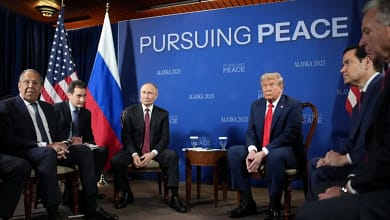
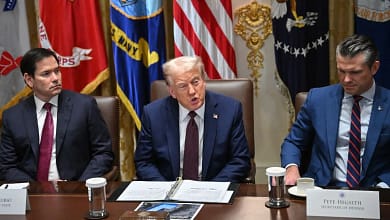
What Happens Next After Trump Tariffs Ruled Illegal?

The recent ruling against Trump’s tariffs has sent shockwaves through the global trade landscape. The decision, which deemed the tariffs illegal, has left many wondering about the potential consequences.
The tariffs, imposed during Trump’s presidency, were intended to protect American industries. However, the ruling has raised questions about the future of international trade agreements and the impact on the US economy.https://www.mindviewmagazine.com/
Key Takeaways
- The ruling against Trump’s tariffs has significant implications for global trade.
- The decision may lead to a re-evaluation of existing trade agreements.
- The impact on the US economy is still uncertain.
- International trade partners are closely watching the developments.
- The outcome may influence future trade policies.
The Trump Tariff Legacy: Understanding the Background
Understanding the Trump tariff legacy requires a look back at the key tariffs implemented during his presidency. The tariffs were a significant component of the Trump administration’s trade policy, aimed at reshaping global trade dynamics and addressing perceived imbalances.
Key Tariffs Implemented During the Trump Administration
The Trump administration imposed tariffs on a wide range of goods, including steel, aluminum, and various Chinese products. Tariffs on steel and aluminum were implemented in 2018, citing national security concerns. The U.S. also engaged in a trade war with China, imposing tariffs on over $360 billion worth of Chinese goods.
| Tariff Category | Year Implemented | Goods Affected |
|---|---|---|
| Steel and Aluminum Tariffs | 2018 | Steel, Aluminum Products |
| China Trade War Tariffs | 2018-2019 | Various Chinese Goods |
Original Justification and Goals of the Tariffs
The original justification for the tariffs was to protect American industries and jobs. The Trump administration argued that the tariffs would help reduce the U.S. trade deficit and promote fair trade practices. The tariffs were also seen as a tool to negotiate better trade deals with other countries. The goal was to make trade more reciprocal and beneficial to the U.S.
The tariffs were part of a broader strategy to reshape U.S. trade policy, focusing on bilateral agreements rather than multilateral ones. This approach was seen as a way to address specific trade grievances and achieve more balanced trade relationships.
Breaking Down the Legal Ruling
The recent ruling on Trump tariffs has brought to light the complexities of international trade laws and their applications. This section will dissect the court’s decision, focusing on the details and the legal basis for declaring the tariffs illegal.
Details of the Court Decision
The court’s decision was centered around the legality and procedural correctness of the tariffs imposed by the Trump administration. The judgment highlighted that the tariffs were imposed without following the proper legal procedures, thus rendering them illegal. The court’s scrutiny revealed significant oversights in the tariff implementation process.
Legal Basis for Declaring the Tariffs Illegal
The legal basis for the court’s decision rested on two main pillars: the violation of Section 232 of the Trade Expansion Act and WTO compliance issues. Let’s examine these closely.
Section 232 and National Security Arguments
The Trump administration justified the tariffs under Section 232, citing national security concerns. However, the court found that the connection between the tariffs and national security was tenuous at best. The administration failed to provide substantial evidence linking the tariffs directly to national security interests.
WTO Compliance Issues
Furthermore, the tariffs were found to be in violation of World Trade Organization (WTO) rules. The court noted that the tariffs were discriminatory and did not align with the WTO’s guidelines for exceptional circumstances. This non-compliance was a significant factor in the court’s decision to declare the tariffs illegal.
Immediate Economic Consequences
The ruling against Trump tariffs has triggered a cascade of economic repercussions across various sectors. As the news spreads, the immediate economic consequences are becoming apparent, with significant impacts on market reactions and affected industries.
Market Reactions to the Ruling
The financial markets are responding swiftly to the ruling, with fluctuations in stock prices and currency exchange rates. Investors are closely watching the developments, adjusting their portfolios in anticipation of the potential economic impacts.
Key market reactions include:
- Stock market volatility
- Changes in commodity prices
- Shifts in investor sentiment
Short-term Impact on Affected Industries
The short-term impact on industries affected by the tariffs is significant, with supply chain disruptions and price adjustments being key concerns.
Supply Chain Disruptions
Industries reliant on international trade are experiencing disruptions as they adjust to the new tariff-free landscape. This includes:
- Re-evaluation of supply chains
- Potential for increased production costs
- Shifts in sourcing strategies
As tariffs are removed, prices for goods are expected to adjust. This could lead to:
- Decreased prices for consumers
- Increased demand for previously tariffed goods
- Potential for price wars among competitors
The immediate economic consequences of the Trump tariffs being ruled illegal are complex, with both positive and negative impacts expected across different sectors.
What Happens Next After Trump Tariffs Ruled Illegal?
After the Trump tariffs were ruled illegal, the U.S. trade landscape is poised for change. The decision has significant implications for various industries and stakeholders, necessitating a clear understanding of the next steps.
Timeline for Tariff Removal Process
The process of removing the tariffs will likely be gradual, involving several regulatory and administrative steps. Initially, the relevant authorities will need to assess the scope of the tariffs imposed during the Trump administration and identify which ones were deemed illegal.
This assessment is expected to take several weeks to a few months, depending on the complexity and the volume of tariffs in question.
Regulatory and Administrative Steps
The removal process will involve crucial regulatory and administrative adjustments. Two key areas of focus will be Customs and Border Protection adjustments and refund mechanisms for affected businesses.
Customs and Border Protection Adjustments
Customs and Border Protection (CBP) will need to adjust their systems to stop collecting tariffs that have been ruled illegal. This involves updating their databases and notifying importers and other stakeholders about the changes.
Refund Mechanisms for Affected Businesses
For businesses that have already paid tariffs now deemed illegal, there will be a mechanism for refunds. The CBP and other relevant authorities will establish procedures for businesses to claim these refunds, which may involve filing specific paperwork or claims online.
The overall process is complex and will require coordination among various government agencies and stakeholders. As the U.S. moves forward, the implications of the Trump tariffs ruling will continue to unfold, affecting trade policies and economic outcomes.
Potential Appeals and Legal Challenges
With the Trump tariffs now deemed illegal, the focus shifts to the potential legal challenges that may arise in the coming months. The ruling has significant implications for trade law and could lead to a series of appeals.
Possible Appeal Scenarios
The U.S. government has several options to consider when contemplating an appeal. One possible scenario involves appealing the decision to a higher court, potentially the Supreme Court. This process could be lengthy and may involve multiple legal challenges.
Another scenario is that the government could choose not to appeal, instead opting to revise the tariffs to comply with the court’s ruling. This approach would require significant revisions to existing trade policies.
Historical Precedents in Trade Law
Historical precedents in trade law provide valuable insights into how the current situation might unfold. Previous cases have shown that trade disputes can lead to prolonged legal battles.
For instance, the U.S. – China trade war has set a precedent for complex and lengthy trade disputes. Understanding these precedents can help predict the potential outcomes of the current legal challenges.
Impact on U.S.-China Trade Relations
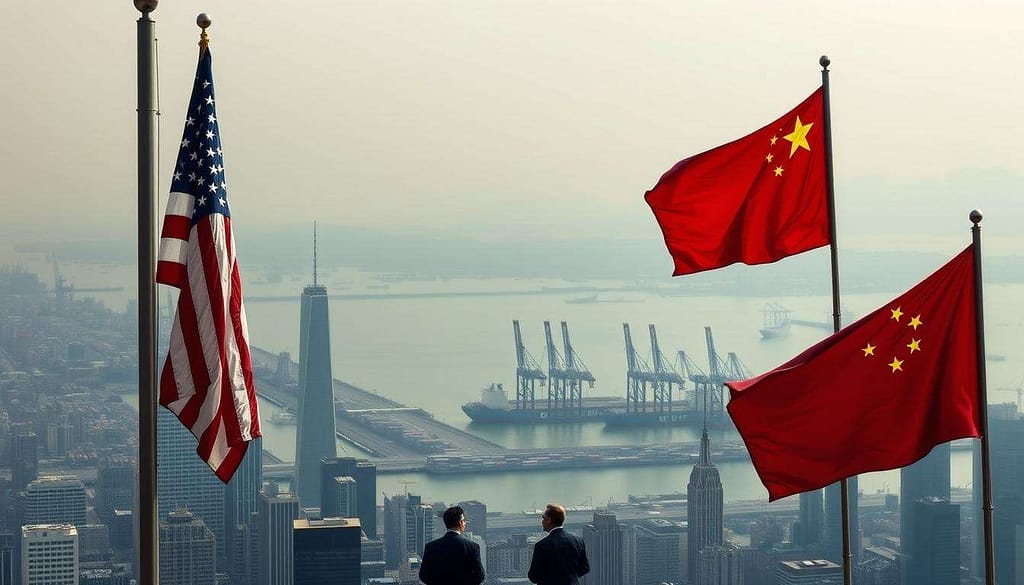
As the Trump tariffs are ruled illegal, the global trade impact on U.S.-China relations comes into focus. The recent ruling has opened up new avenues for potential trade negotiations between the two nations. With the tariffs now deemed illegal, both countries are poised to reassess their trade policies and potentially restart stalled negotiations.
Potential for Trade Negotiations Restart
The ruling provides a fresh impetus for both the U.S. and China to revisit their trade agreements. The potential for a restart in trade negotiations is significant, as both countries stand to benefit from reduced tariffs and increased trade. Trade experts suggest that this could lead to a more stable and predictable trade environment.
Chinese Response to the Ruling
The Chinese government’s response to the ruling has been cautious, with official statements welcoming the decision while also emphasizing the need for further negotiations. The Chinese business community has also reacted, with many expressing hope for a reduction in tariffs and an improvement in trade conditions.
Official Government Statements
Chinese officials have stated that they are “open to negotiations” and are “hopeful for a positive outcome.” This stance indicates a willingness to engage in dialogue and potentially resolve outstanding trade issues.
Chinese Business Community Reactions
The Chinese business community has been vocal about the benefits of reduced tariffs. Many businesses have expressed relief at the potential for decreased trade tensions and improved market access. A summary of their reactions is provided in the table below:
| Industry | Reaction to Ruling | Expected Outcome |
|---|---|---|
| Manufacturing | Positive | Reduced production costs |
| Agriculture | Cautiously Optimistic | Increased exports |
| Technology | Hopeful | Improved supply chain stability |
Effects on Other International Trade Partnerships
The recent ruling on Trump tariffs has sent ripples across international trade agreements, affecting various trade partnerships worldwide. The implications of this ruling are multifaceted, influencing trade dynamics with key partners.
Implications for USMCA Partners
The United States-Mexico-Canada Agreement (USMCA) partners are closely monitoring the situation, as the ruling could potentially alter the trade landscape. Canada and Mexico, as significant trading partners, are particularly interested in how the U.S. will navigate the aftermath of the tariffs being deemed illegal. The USMCA’s success partly depends on the stability of U.S. trade policies.
European and Asian Trade Relationship Changes
European and Asian countries are also assessing the impact of the ruling on their trade relationships with the U.S. The European Union and countries like Japan and South Korea are watching for signs of how the U.S. will adjust its trade policies. This could lead to new opportunities for trade negotiations and potentially stronger alliances.
The ruling’s aftermath will likely see a shift in international trade regulations, as countries adapt to the new landscape. This could involve renegotiating existing agreements or forming new trade partnerships.
Industry-Specific Impacts and Recovery Paths
The recent ruling on Trump tariffs being illegal has sent ripples across various industries, each facing unique challenges and opportunities. The impact of this ruling varies significantly across different sectors, influencing their recovery paths and future strategies.
Steel and Aluminum Sectors
The steel and aluminum sectors were among the most directly affected by the Trump tariffs, which were imposed to protect these industries from what was deemed unfair foreign competition. With the tariffs now ruled illegal, these sectors face uncertainty. Companies in these industries must adapt to the changing landscape, potentially leading to a shift in production costs and competitiveness. Recovery in these sectors will depend on how quickly they can adjust to the new trade environment.
Consumer Electronics and Technology
The consumer electronics and technology sectors were heavily impacted by the tariffs, as many of their products were subject to additional duties. The ruling could lead to a decrease in production costs for these industries, potentially making their products more competitive in both domestic and international markets. This change could spur innovation and growth as companies take advantage of the new economic conditions.
Agricultural Products
Agricultural products were also significantly affected by the tariffs, as retaliatory measures from other countries targeted U.S. agricultural exports. The ruling could open up new opportunities for U.S. farmers and agricultural businesses, potentially leading to increased exports. However, the long-term impact will depend on the U.S. government’s ability to negotiate favorable trade agreements.
Manufacturing and Automotive Industries
The manufacturing and automotive industries faced increased costs due to the tariffs on imported components and materials. With the tariffs ruled illegal, these industries may see a reduction in production costs, which could lead to increased competitiveness. Investments in these sectors might rise as companies look to capitalize on the improved economic conditions.
In conclusion, the industry-specific impacts of the ruling on Trump tariffs being illegal will vary, with some sectors potentially benefiting from reduced costs and increased competitiveness, while others face challenges in adapting to the new trade environment.
Economic Forecasts Post-Ruling
With the Trump tariffs ruled illegal, the economic landscape is poised for significant changes. Economists are now adjusting their predictions to reflect the potential impacts of this ruling on the U.S. economy.
Projected GDP Effects
The removal of tariffs is expected to have a positive effect on the GDP. According to recent analyses, the U.S. GDP could see an increase of up to 0.5% in the short term due to reduced trade costs and improved market competitiveness.
| Indicator | Pre-Ruling | Post-Ruling Forecast |
|---|---|---|
| GDP Growth Rate | 2.0% | 2.5% |
| Trade Volume | $3.5T | $3.8T |
Consumer Price and Inflation Predictions
The ruling is also expected to influence consumer prices and inflation rates. By reducing tariffs on imported goods, consumers may benefit from lower prices, potentially leading to a decrease in inflation rates.
As noted by economists, “The reduction in tariffs will likely lead to a decrease in production costs, which could be passed on to consumers in the form of lower prices.” This could result in a more competitive market and potentially stimulate economic growth.

Political Ramifications in Washington
The ruling on Trump tariffs being deemed illegal has sent shockwaves through Washington, prompting a reevaluation of current trade policies. This development has significant political ramifications, affecting various stakeholders across the capital.
Biden Administration’s Response
The Biden administration is carefully assessing the court’s decision, weighing the implications for U.S. trade policy and diplomatic relations. The administration’s response is expected to balance the need for fair trade practices with the pressure to support American businesses.
Congressional Reactions Across Party Lines
Congress is reacting to the ruling with a mix of support and criticism, reflecting the divided views on trade policy.
Republican Perspectives
Some Republicans are voicing concerns that the ruling could undermine previous efforts to protect American industries. They argue for a continued strong stance on tariffs to safeguard U.S. economic interests.
Democratic Positions
Democrats, on the other hand, are generally welcoming the decision, seeing it as an opportunity to revisit and potentially renegotiate trade agreements. They emphasize the need for a fair and equitable trade policy that benefits all Americans.
| Party | Key Concerns | Proposed Actions |
|---|---|---|
| Republican | Protecting American industries, maintaining strong tariff stance | Continue protectionist policies, appeal the ruling |
| Democrat | Renegotiating trade agreements, ensuring fair trade practices | Review and revise trade policies, engage in diplomatic negotiations |
Future of U.S. Trade Policy Direction
The recent ruling on Trump-era tariffs has sparked a crucial debate on the direction of U.S. trade policy. As the U.S. navigates this new landscape, several key factors will influence the future trajectory of trade policy.
Potential New Trade Frameworks
The Biden administration is exploring new trade frameworks that balance the need for fair trade practices with the goal of promoting U.S. economic interests. This involves renegotiating existing trade agreements and potentially forging new ones that address emerging issues such as digital trade and climate change.
“The U.S. is at a critical juncture where it must redefine its trade policies to stay competitive in a rapidly changing global economy.” This redefinition process involves not just revising tariff structures but also addressing broader trade issues such as intellectual property protection and labor standards.
Balancing Protectionism and Free Trade
One of the central challenges in shaping future U.S. trade policy is striking a balance between protectionism and free trade. While protectionist measures can safeguard domestic industries, they can also lead to retaliatory measures from other countries, potentially harming U.S. exporters.
“A balanced trade policy must navigate between protecting American industries and keeping markets open for U.S. exports.”
Labor and Environmental Considerations
Future trade policies are likely to incorporate stronger labor and environmental considerations. This includes ensuring that trade agreements promote fair labor practices and contribute to environmental sustainability. The U.S. is likely to push for higher standards in these areas, potentially setting a new benchmark for international trade agreements.
National Security in Future Trade Policies
National security will continue to be a critical factor in shaping U.S. trade policy. This involves protecting sensitive technologies and ensuring that trade agreements do not compromise U.S. security interests. The administration will need to carefully balance these concerns with the need to maintain open and competitive markets.
Conclusion: Navigating the Post-Tariff Landscape
The recent ruling on Trump tariffs being illegal marks a significant shift in U.S. trade policies. As the country navigates this post-tariff landscape, understanding the implications of this decision is crucial.
The aftermath of trade policies has far-reaching consequences, affecting various industries and international trade partnerships. With the removal of tariffs, businesses and consumers can expect changes in market dynamics and pricing strategies.
As the Biden administration responds to the ruling, the future of U.S. trade policy direction will become clearer. Potential new trade frameworks and a balance between protectionism and free trade will shape the country’s trade relationships.
Industry-specific impacts will vary, with sectors like steel and aluminum potentially experiencing significant changes. The U.S.-China trade relations and other international partnerships will also be influenced by the post-tariff landscape.
Ultimately, navigating this new landscape requires a deep understanding of the trade policies aftermath and its implications. As the U.S. moves forward, staying informed about the developments in trade policies will be essential for businesses, policymakers, and consumers alike.
FAQ
What does it mean for the Trump tariffs to be ruled illegal?
The ruling means that the tariffs imposed during the Trump administration were found to be in violation of international trade laws or U.S. law, potentially leading to their removal or revision.
How will the tariff removal process unfold?
The process will involve regulatory and administrative steps, including adjustments by Customs and Border Protection, and potentially, refund mechanisms for affected businesses.
What are the potential economic consequences of the ruling?
The immediate economic consequences may include market reactions, short-term impacts on affected industries, supply chain disruptions, and price adjustments.
Will there be appeals to the ruling that declared the Trump tariffs illegal?
Yes, there is a possibility of appeals and legal challenges from the ruling, with potential scenarios including appeals by the government or affected parties.
How might the ruling affect U.S.-China trade relations?
The ruling could potentially restart trade negotiations between the U.S. and China, with reactions from both the Chinese government and business community.
What are the implications for other international trade partnerships?
The ruling may have implications for USMCA partners, as well as changes in European and Asian trade relationships, as these countries adjust to the new trade landscape.
How will different industries be affected by the ruling?
Industries such as steel and aluminum, consumer electronics and technology, agricultural products, and manufacturing and automotive will experience varying impacts and potentially different recovery paths.
What are the projected economic forecasts following the ruling?
Economic forecasts may include projected GDP effects, consumer price predictions, and inflation forecasts, as the economy adjusts to the post-ruling landscape.
How might the Biden administration respond to the ruling?
The Biden administration’s response will be crucial, as it navigates the implications of the ruling and potentially charts a new course for U.S. trade policy.
What does the future hold for U.S. trade policy direction?
The future may involve new trade frameworks, a balance between protectionism and free trade, and considerations for labor, environmental, and national security factors in trade policies.https://topnewslive.online/markets-slide-in-august-us-tariffs-russia-ukraine-war-hit-equity-gst-reforms-offer-cushion/