Robert Redford, Hollywood Legend and Environmental Champion, Dies at 89

The entertainment world mourns the loss of Robert Redford, the iconic actor, Oscar-winning director, and passionate environmental activist who passed away on September 16, 2025, at his beloved Sundance home in Utah at age 89. Redford’s death marks the end of an era for both mainstream Hollywood and independent cinema, as he leaves behind a legacy spanning over five decades that fundamentally transformed how America views film and environmental stewardship. From his breakout role in “Butch Cassidy and the Sundance Kid” to founding the Sundance Film Festival, Redford became synonymous with artistic integrity, environmental consciousness, and the championing of untold stories. His passing represents not only the loss of a cinematic giant but also one of the most influential cultural figures of the late 20th and early 21st centuries, whose impact on independent filmmaking and environmental activism will resonate for generations to come.https://www.mindviewmagazine.com/
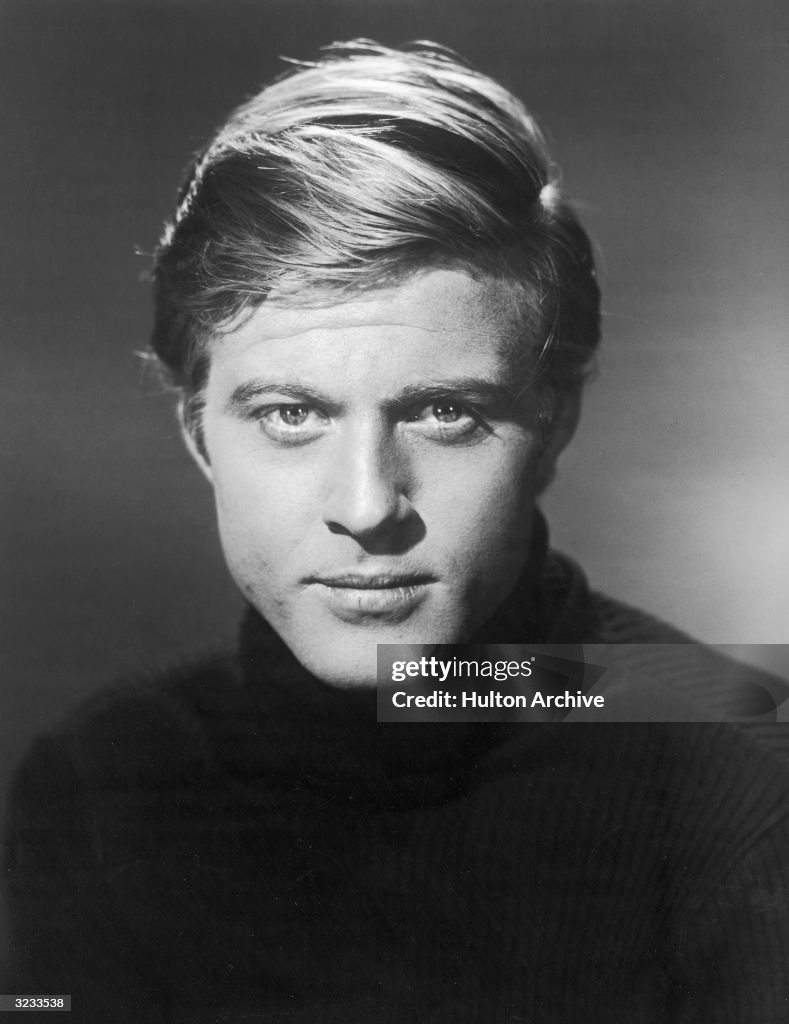
Black and white vintage studio portrait of American actor Robert Redford wearing a dark turtleneck sweater
The Final Chapter: A Peaceful Passing in the Mountains
Robert Redford breathed his last on Tuesday morning, September 16, 2025, in the place that had become synonymous with his identity and values—his home at Sundance in the mountains of Utah. According to Cindi Berger, CEO of the public relations firm Rogers & Cowan PMK, Redford died peacefully in his sleep, “surrounded by those he loved”. The choice of location for his final moments was profoundly symbolic, as Sundance had evolved from a personal retreat into a global symbol of independent cinema and environmental consciousness.
The announcement of his death reverberated throughout Hollywood and beyond, with Berger’s statement emphasizing the family’s request for privacy during this difficult time. No specific cause of death was disclosed, though multiple sources confirmed he passed away peacefully in his sleep at his residence near Provo. The timing of his passing, in the early morning hours of a Tuesday, reflected the quiet dignity that had characterized much of his later life, away from the spotlight that had defined his earlier decades as Hollywood’s golden boy.
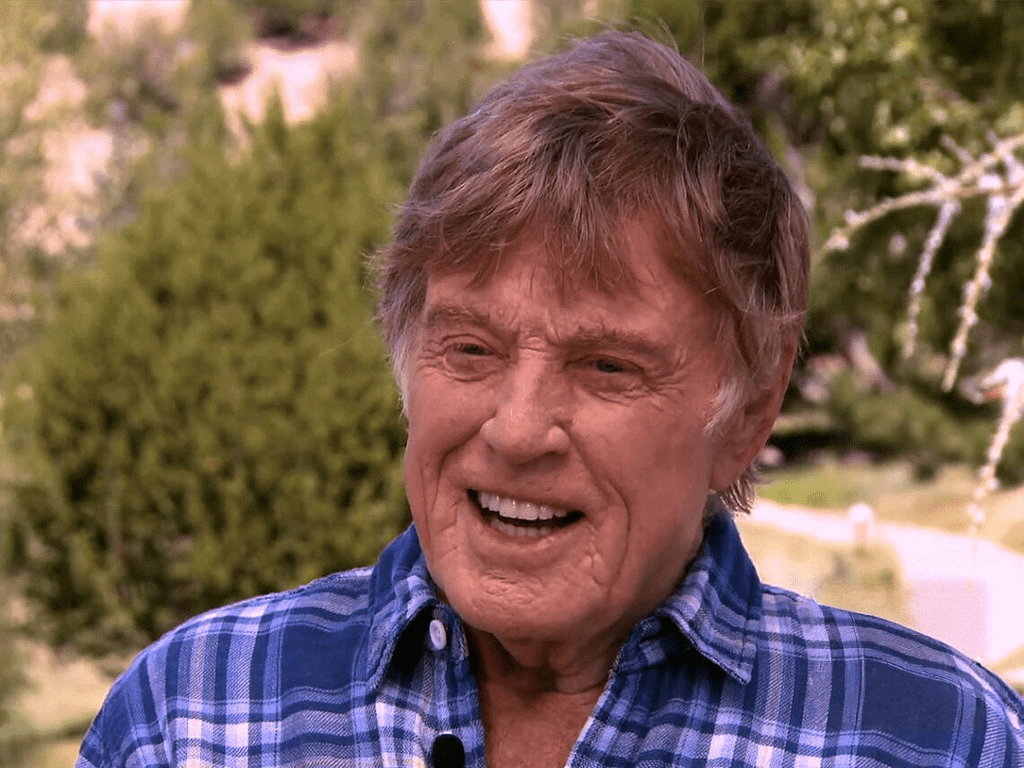
Robert Redford, founder of the Sundance Film Festival, shown in an outdoor setting honoring his legacy
The significance of his dying at Sundance cannot be overstated. The Utah mountains had been his sanctuary since 1961, when he first purchased land there as a young actor seeking refuge from Hollywood’s pressures. Over the decades, this remote location would become the epicenter of American independent cinema, hosting the annual Sundance Film Festival that Redford founded and nurtured into one of the world’s most prestigious film events. His death there represented a full-circle moment, bringing to a close a life lived increasingly on his own terms, surrounded by the natural beauty he had spent decades protecting and preserving.
From Screen Heartthrob to Hollywood Legend
Robert Redford’s journey to stardom began in the most unlikely of circumstances. Born Charles Robert Redford Jr. on August 18, 1936, in Santa Monica, California, to a working-class family, he grew up as the only white child in a predominantly Mexican neighborhood. His father worked as a milkman, while his mother, whom he described as “the strong member of the family,” was a homemaker. This humble beginning would later inform his lifelong commitment to representing diverse voices and challenging Hollywood’s traditional power structures.
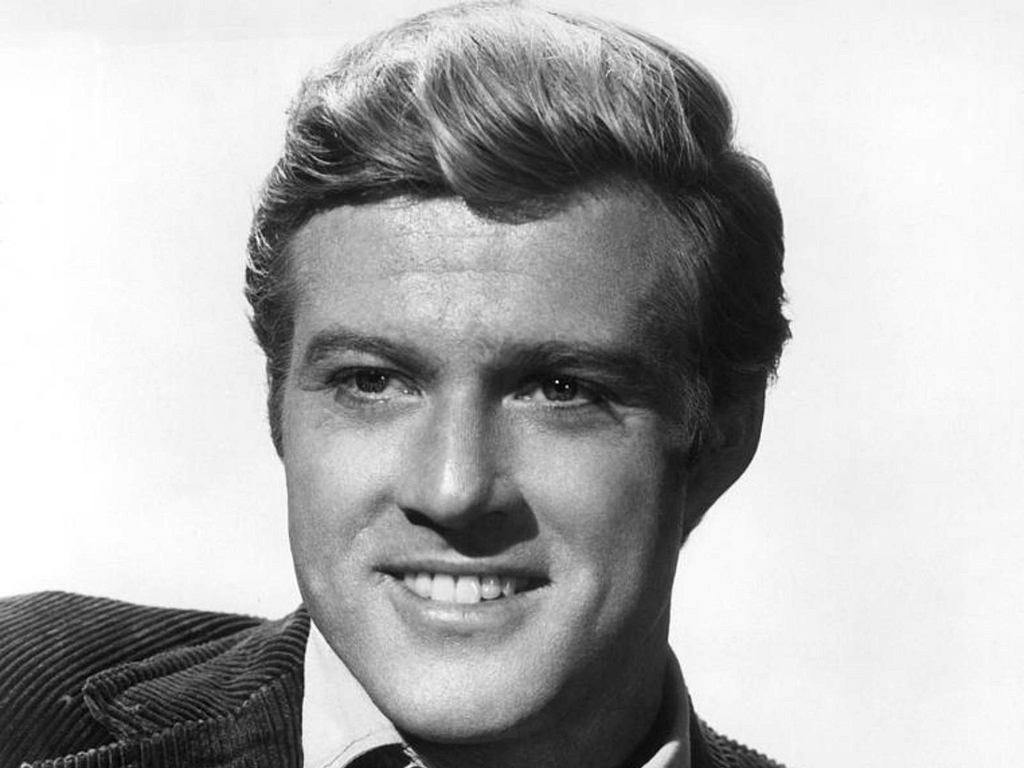
Vintage black-and-white portrait of Robert Redford showcasing his iconic mid-20th-century style
Redford’s path to acting was circuitous and marked by early struggles. After earning a baseball scholarship to the University of Colorado, Boulder, he found himself more drawn to art than athletics. His rebellious nature and academic difficulties led to his departure from college, after which he worked on an oil rig to save money for a year of painting studies in Europe. Upon returning to the United States to enroll at the Pratt Institute in New York, his striking appearance immediately set him apart. As film critic Carrie Rickey recalled, “They said when he entered the cafeteria, you could hear a pin drop because all eyes were on him”.
The transition from aspiring artist to actor occurred almost by accident, but once Redford committed to the craft, his rise was meteoric. His Broadway debut in Neil Simon’s “Barefoot in the Park” in 1963 showcased not only his natural charisma but also his ability to handle sophisticated material. The success of the stage production led to his film debut in “War Hunt” (1962), followed by the movie adaptation of “Barefoot in the Park” (1967) opposite Jane Fonda.
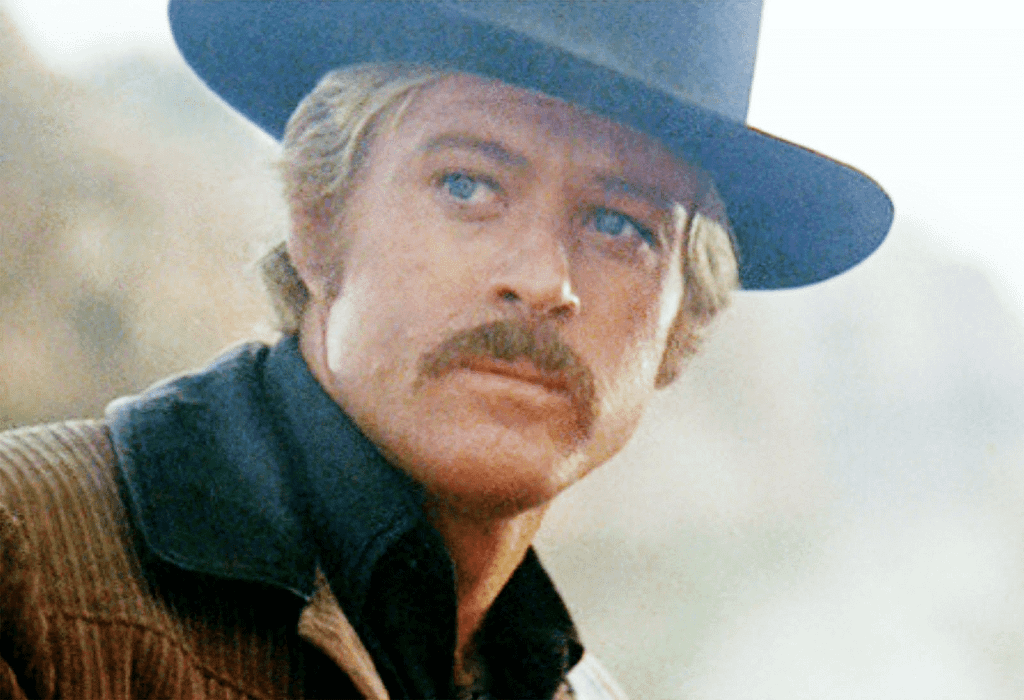
Robert Redford in costume as the Sundance Kid from the film Butch Cassidy and the Sundance Kid
However, it was his pairing with Paul Newman in “Butch Cassidy and the Sundance Kid” (1969) that catapulted Redford to international stardom. The film’s success was unprecedented, transforming both actors into household names and establishing one of cinema’s most beloved partnerships. Redford’s portrayal of the Sundance Kid—cool, intelligent, and effortlessly charismatic—became the template for his screen persona. The chemistry between Newman and Redford was so palpable that it transcended the screen, reflecting their genuine friendship and shared commitment to social causes.
The 1970s marked Redford’s golden age as a leading man. His collaboration with Newman continued with “The Sting” (1973), which earned him his only Academy Award nomination for Best Actor. The film’s success solidified his status as one of Hollywood’s most bankable stars, capable of drawing audiences to both commercial blockbusters and more serious dramatic fare. His performance in “All the President’s Men” (1976) demonstrated his ability to tackle weighty political subjects, portraying Washington Post reporter Bob Woodward with the kind of understated intensity that became his trademark.
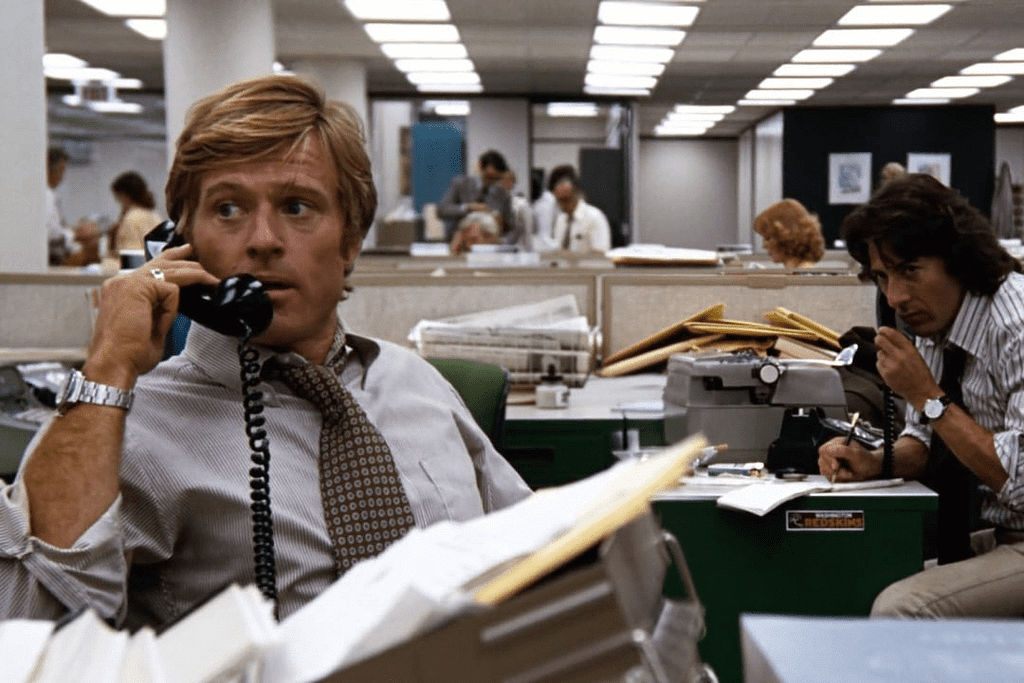
Scene in a 1970s newsroom with journalists on phone, evoking Robert Redford’s film ‘All the President’s Men’
Throughout this period, Redford consistently chose projects that reflected his personal values and interests. “The Candidate” (1972) explored political corruption, “Three Days of the Condor” (1975) delved into government conspiracy, and “All the President’s Men” examined the power of investigative journalism. These choices reflected not just commercial acumen but a genuine desire to use his platform to address serious social and political issues. As The New York Times noted in their obituary, Redford’s ability to make “serious topics like grief and political corruption resonate with the masses” was “in no small part because of his own star power”.
Behind the Camera: The Director’s Vision
While Redford’s acting achievements were formidable, his transition to directing revealed an artist of even greater depth and ambition. His directorial debut, “Ordinary People” (1980), was both a critical and commercial triumph, earning him the Academy Award for Best Director and the film the Oscar for Best Picture. The achievement was particularly remarkable given that it was his first time behind the camera, demonstrating an intuitive understanding of filmmaking that had been honed through years of working with some of cinema’s greatest directors.
“Ordinary People” tackled themes of family dysfunction, grief, and mental health with a sensitivity that was rare in mainstream Hollywood cinema of the era. The film’s success established Redford as a serious filmmaker capable of handling delicate subject matter with both commercial appeal and artistic integrity. His approach to directing was characterized by his attention to performance and his ability to create intimate, character-driven narratives that explored complex emotional terrain.
This directorial success was followed by a series of films that further cemented his reputation as a filmmaker of substance. “Quiz Show” (1994) examined the corruption behind television game shows in the 1950s, earning him another Academy Award nomination for Best Director. The film demonstrated Redford’s continued commitment to stories that exposed institutional corruption and moral ambiguity. His other directorial efforts, including “A River Runs Through It” (1992), “The Horse Whisperer” (1998), and “Lions for Lambs” (2007), all reflected his interest in stories that combined personal drama with broader social and political themes.
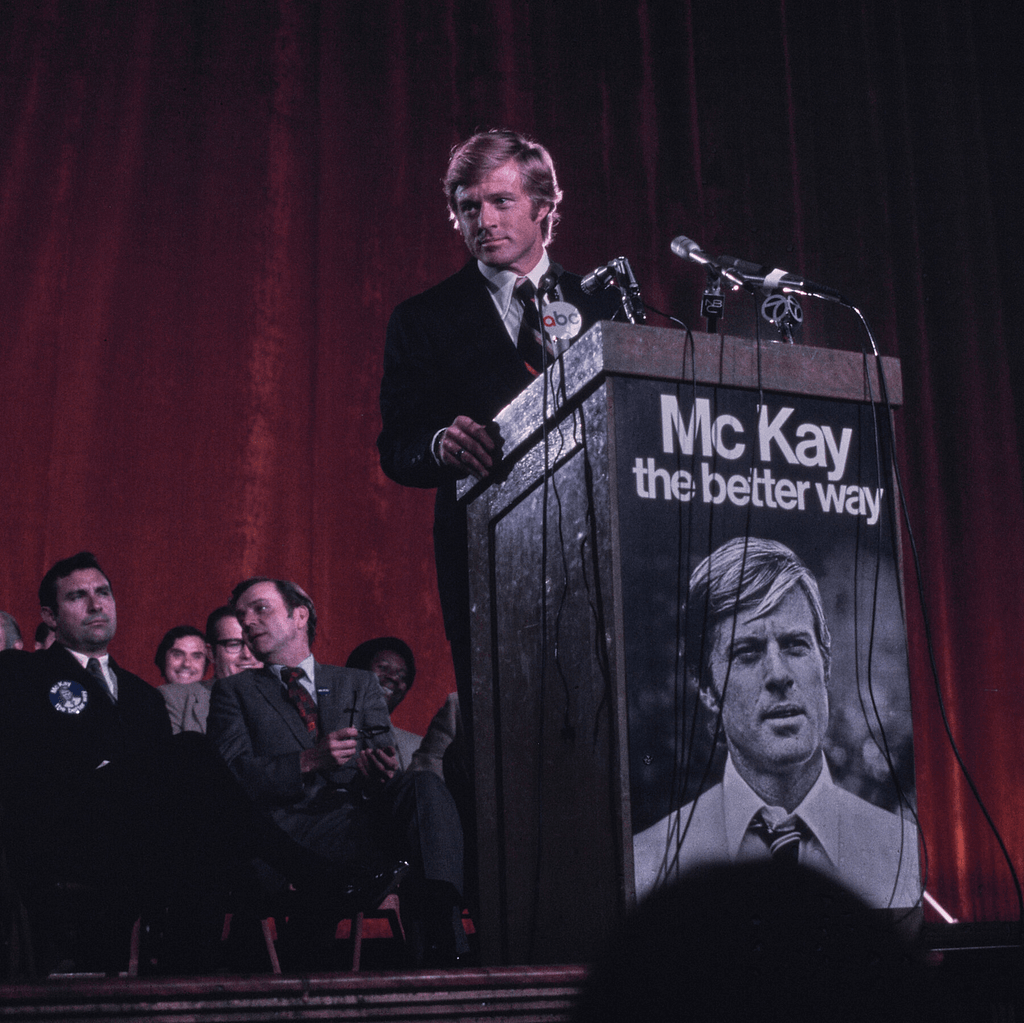
Man delivering a speech at a podium with a political campaign poster reading ‘Mc Kay the better way’ during a formal event with media coverage
Redford’s directorial style was marked by his restraint and his trust in his actors. He was known for creating an atmosphere on set that encouraged authentic performances, often allowing actors to explore their characters’ motivations deeply. This approach resulted in numerous acclaimed performances in his films, contributing to his reputation as an “actor’s director.” His commitment to storytelling over spectacle reflected his broader philosophy about cinema’s role in society—that films should not merely entertain but should also provoke thought and encourage dialogue about important issues.
Champion of Independent Cinema: The Sundance Legacy
Perhaps Redford’s most enduring contribution to cinema was his founding of the Sundance Institute in 1981, which revolutionized the landscape of American independent filmmaking. The institute, named after his character in “Butch Cassidy and the Sundance Kid,” began as a nonprofit organization dedicated to supporting independent filmmakers and discovering new voices in cinema. What started as a small film festival in the mountains of Utah has grown into one of the world’s most influential cultural institutions.
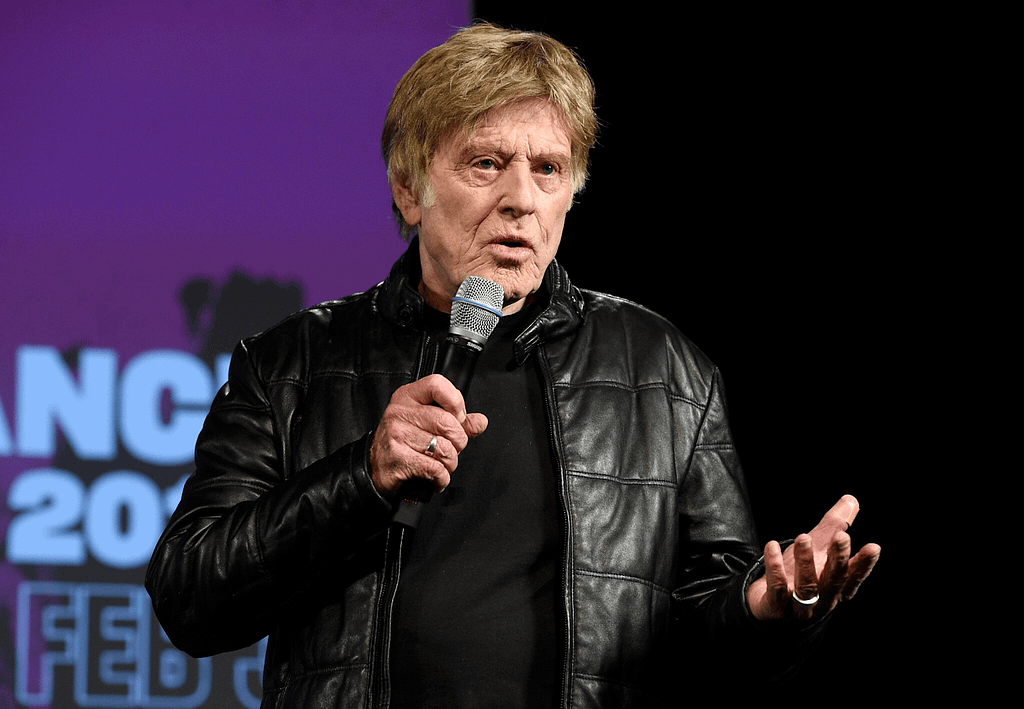
Robert Redford speaking at the Sundance Film Festival, highlighting his connection as the festival’s founder
The Sundance Film Festival, which began in 1978 but was acquired and transformed by Redford’s institute, became the premier showcase for independent films in America. Under Redford’s guidance, the festival became a launching pad for countless careers and a marketplace where independent films could find distribution and recognition. The festival’s success in elevating independent cinema cannot be overstated—it provided a platform for filmmakers who might never have found their way into mainstream Hollywood, democratizing the industry in ways that continue to resonate today.
Redford’s vision for Sundance extended beyond merely screening films. The institute’s labs and workshops provided crucial support for emerging filmmakers, offering mentorship, funding, and resources that were often unavailable elsewhere. This comprehensive approach to supporting independent cinema reflected Redford’s understanding that sustainable change in the industry required more than just a single event—it needed ongoing commitment to nurturing talent and providing opportunities for diverse voices.
The impact of Sundance on American cinema has been transformative. The festival has premiered countless films that have gone on to achieve critical and commercial success, from “The Blair Witch Project” to “Little Miss Sunshine” to “Parasite.” More importantly, it has changed how Hollywood views independent film, making it a viable and often preferable alternative to big-budget studio productions. As Variety noted in their obituary, Redford “became a godfather for independent film as founder of the Sundance Film Institute”.
Redford’s commitment to independent cinema was not merely professional but deeply personal. He understood that diversity of voices and perspectives was essential for cinema’s health and vitality. In a 2018 interview, he reflected on his motivations: “I felt there were other stories out there that weren’t getting to be told and I thought, ‘Well, maybe I can commit my time to giving those people a chance.’ As I look back at it, I feel very good about that”. This statement encapsulates the philosophy that drove his work at Sundance—a belief that everyone deserves the opportunity to tell their story.
Environmental Crusader: A Lifelong Commitment to Conservation
While Redford’s contributions to cinema are well-documented, his role as an environmental activist was equally significant and passionate. His environmental consciousness was not a late-in-life conversion but a lifelong commitment that began when he first moved to Utah in 1961. The natural beauty of the American West became not just his home but his cause, leading to decades of activism and advocacy for conservation and environmental protection.
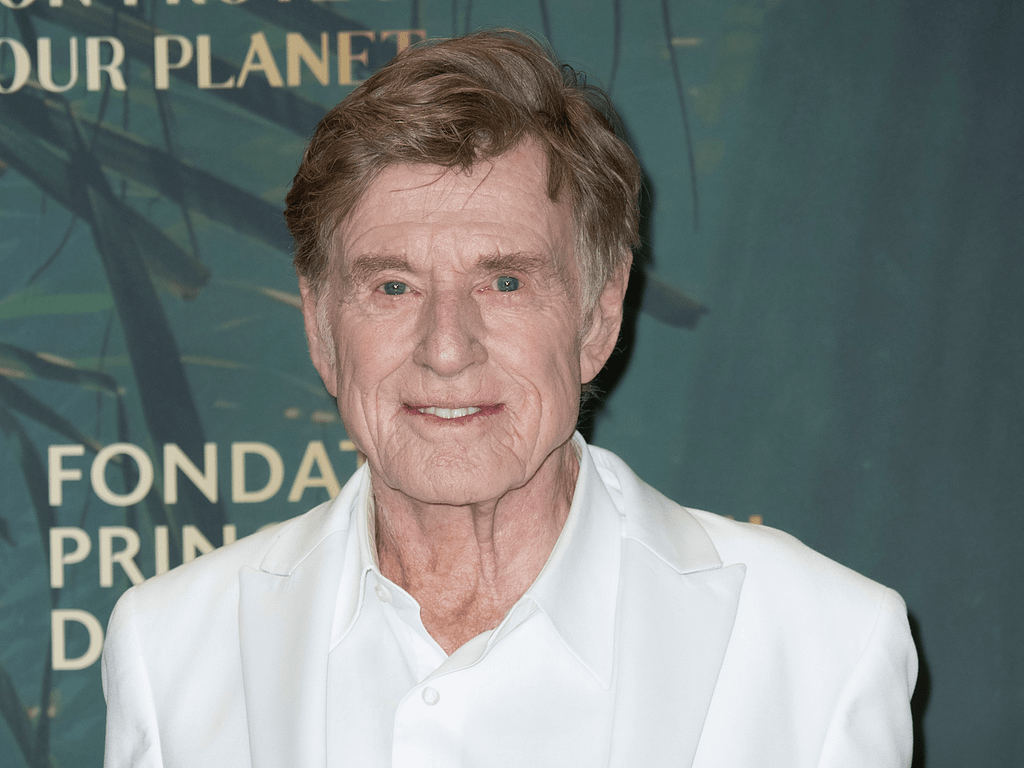
Robert Redford at a formal event related to environmental advocacy and film culture
Redford’s environmental activism took many forms, from direct political engagement to using his celebrity platform to raise awareness about environmental issues. He was instrumental in efforts to protect Utah’s natural landscapes and the broader American West from development and exploitation. His activism was not merely symbolic but involved substantial personal investment of time, money, and reputation in causes that often put him at odds with powerful interests.
The establishment of The Redford Center in 2005, founded with his late son James, demonstrated his commitment to using media to promote environmental awareness. The organization focused on supporting filmmakers who were addressing environmental issues, recognizing the power of cinema to educate and inspire action on environmental matters. This initiative reflected Redford’s understanding that his influence in the film industry could be leveraged for environmental advocacy.
President Barack Obama recognized Redford’s environmental contributions by awarding him the Presidential Medal of Freedom in 2016, describing him as “one of the foremost conservationists of our generation”. This honor acknowledged not just his celebrity status but his substantive contributions to environmental protection and awareness. The award recognized his decades of work advocating for renewable energy, fighting climate change, and protecting natural resources.
Redford’s environmental activism was characterized by its long-term perspective and its integration with his other work. Unlike celebrity activists who might take up causes temporarily, Redford’s commitment to environmental protection was sustained and substantive. His choice to live in Utah, his decision to locate Sundance there, and his consistent advocacy for environmental causes all reflected a genuine commitment that extended far beyond public relations or career advancement.
Personal Life and Family: The Man Behind the Star
Despite his status as one of Hollywood’s most recognizable figures, Robert Redford maintained a relatively private personal life, preferring to focus public attention on his work rather than his personal affairs. His first marriage was to Lola Van Wagenen, an environmental activist, in 1958. The couple had four children together: Scott, Shauna, James, and Amy Redford. Tragically, their son Scott died shortly after birth due to Sudden Infant Death Syndrome (SIDS), a loss that profoundly affected both parents.
The Redford family faced another devastating loss in 2020 when James Redford, who had followed in his father’s footsteps as a filmmaker and environmental advocate, died from complications related to liver disease. James had been instrumental in co-founding The Redford Center with his father, and his death was a significant personal blow to Robert Redford in his later years.
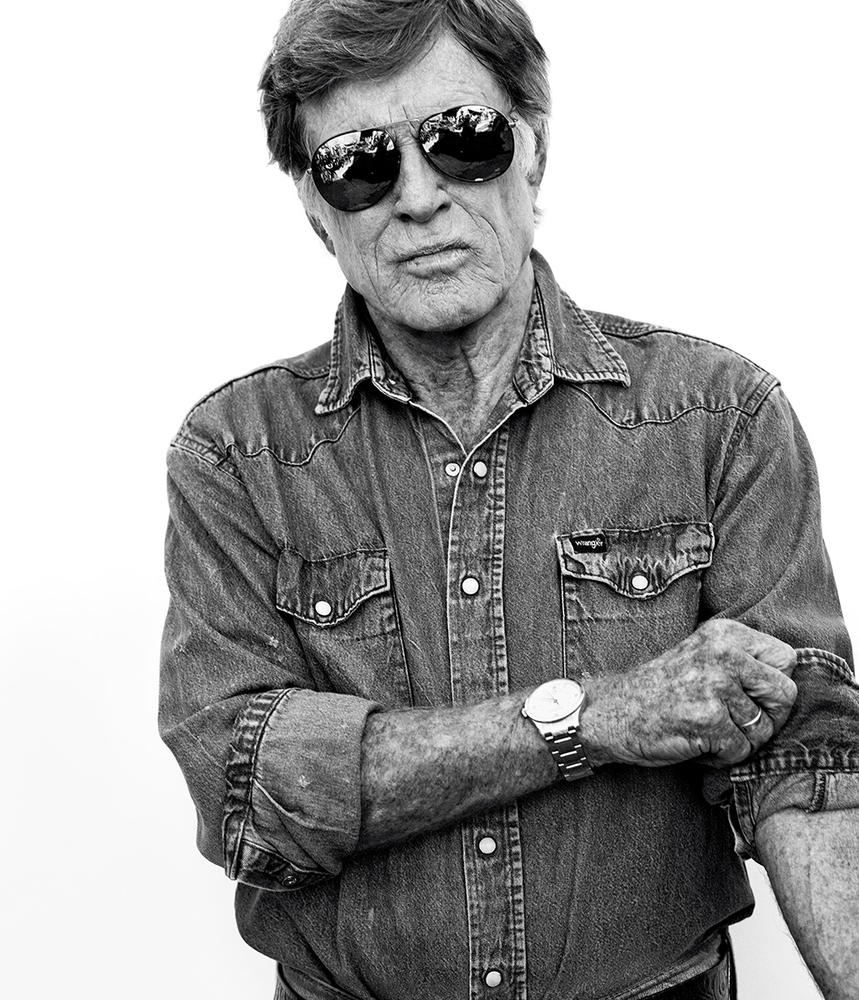
Black and white vintage portrait of a man in a denim shirt with rolled-up sleeves and a metal watch, evoking a classic Americana style
Following his divorce from Van Wagenen in 1985, Redford found love again with German-born artist Sibylle Szaggars, whom he married in 2009. Szaggars, 68 at the time of Redford’s death, is a multimedia environmental artist whose work has been exhibited worldwide. Her oil paintings and performance art focus on environmental themes, making her a perfect partner for Redford’s own environmental activism. Their marriage represented not just a personal union but a shared commitment to artistic expression and environmental advocacy.
Redford is survived by his wife Sibylle and his daughters Shauna and Amy. Both daughters have been involved in the entertainment industry to varying degrees, with Amy pursuing acting and filmmaking. The family’s request for privacy following Redford’s death reflected the same desire for dignity and discretion that had characterized his approach to his personal life throughout his career.
The personal losses Redford endured, particularly the deaths of his son Scott as an infant and James as an adult, gave depth to his understanding of grief and resilience. These experiences informed his work both as an actor and director, contributing to the emotional authenticity that characterized his performances and the films he chose to make. His ability to portray complex emotional states with subtlety and power was undoubtedly enhanced by his own experiences with loss and recovery.
Final Years and Retirement: A Graceful Exit
Redford’s approach to his later career was characterized by the same thoughtfulness and selectivity that had marked his earlier work. In 2018, at the age of 82, he announced his retirement from acting, stating that he was “tired of acting”. His final acting performance came in “The Old Man & the Gun” (2018), a film that seemed perfectly suited to serve as his swan song—a character study of an aging bank robber that allowed Redford to display the charm and charisma that had made him a star while also reflecting on themes of aging and legacy.
However, like many actors who announce their retirement, Redford found it difficult to stay completely away from the camera. He made appearances in projects like “Avengers: Endgame” (2019), reprising his role as Secretary Alexander Pierce. He also remained active as a producer and executive producer on various projects, including the AMC thriller series “Dark Winds,” where he made a guest appearance in the latest season.
Despite stepping back from acting, Redford remained actively involved with the Sundance Institute and Film Festival until his death. His continued presence at Sundance events and his ongoing support for independent filmmakers demonstrated that while he might have been finished with acting, he was not finished with his mission to support diverse voices in cinema. His final Instagram post, celebrating his 89th birthday on August 18, 2025, reflected on his journey from “a working-class family in Santa Monica” through the challenges and triumphs of his career.
In that final post, Redford wrote about the difficulties he had faced: “Growing up in a working-class family in Santa Monica, I encountered challenges like flunking out of college and losing my mother at a young age. I persevered through minor television roles, learned on Broadway, and embraced the risks of directing and establishing Sundance. Personal tragedies, such as the loss of my son Scott, instilled in me a sense of resilience. It was determination, passion, and a love for the arts that propelled me forward”. This reflection revealed a man who understood his life as a journey of perseverance and purpose rather than mere celebrity.
Industry Remembers a Giant: Tributes Pour In
The news of Robert Redford’s death prompted an outpouring of tributes from across the entertainment industry and beyond, reflecting the profound impact he had on multiple generations of actors, directors, and filmmakers. Barbra Streisand, who starred alongside Redford in the 1973 romantic drama “The Way We Were,” called him “one of the finest actors ever” in a tribute on social media. Streisand’s tribute was particularly poignant, as she recalled their work together: “Every day on the set of The Way We Were was exciting, intense and pure joy. We were such opposites: he was from the world of horses; I was allergic to them! Yet, we kept trying to find out more about each other, just like the characters in the movie”.
Jane Fonda, Redford’s frequent co-star and longtime friend, offered a tribute that spoke to his character beyond his professional achievements: “He meant a lot to me and was a beautiful person in every way. He stood for an America we have to keep fighting for”. This tribute captured the political and social dimensions of Redford’s legacy, recognizing him as someone who used his platform to advocate for progressive causes and social justice.
Meryl Streep, his co-star in “Out of Africa,” provided perhaps the most poetic tribute, writing: “One of the lions has passed. Rest in peace, my lovely friend”. This metaphor of Redford as a “lion” captured both his commanding presence in Hollywood and his role as a protector of independent cinema and environmental causes.
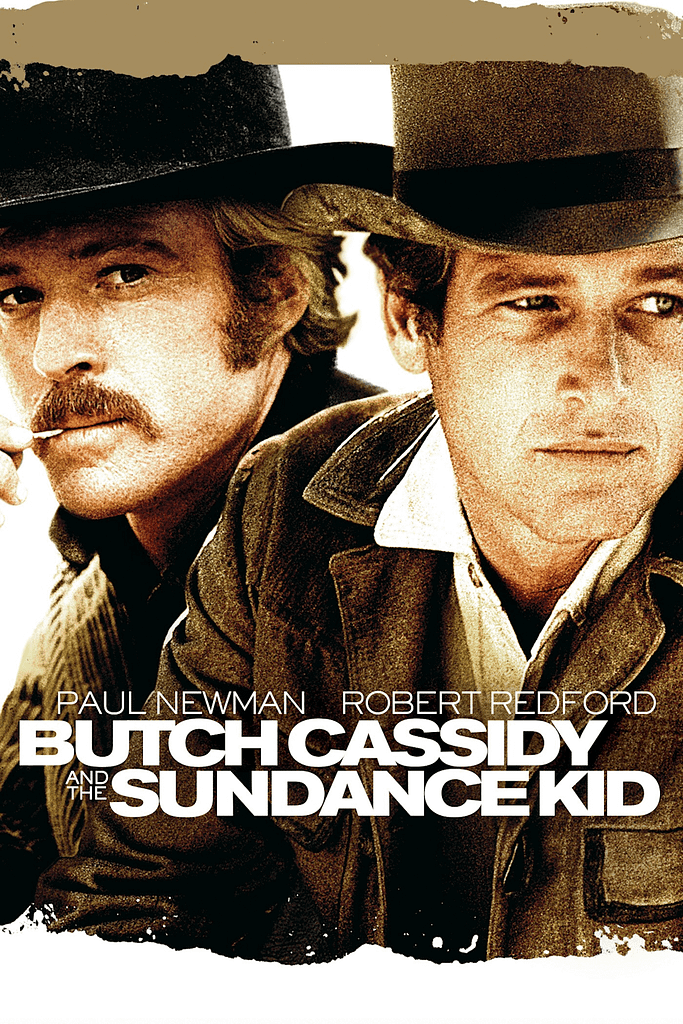
Movie poster for ‘Butch Cassidy and the Sundance Kid’ featuring Robert Redford and Paul Newman
The tributes extended beyond his immediate collaborators to include directors, producers, and industry leaders who had been influenced by his work. Ron Howard praised Redford as “a tremendously influential cultural figure” and an “artistic gamechanger”. Filmmaker Colman Domingo, representing a newer generation of filmmakers, acknowledged Redford’s role in creating opportunities for diverse voices through Sundance.
International recognition also poured in, with France’s Culture Minister Rachida Dati praising him as “a giant of American cinema”. This global recognition reflected Redford’s impact beyond American borders, as his films and his advocacy for independent cinema had influenced filmmakers and film lovers worldwide.
The breadth and depth of these tributes reflected not just professional admiration but genuine affection for a man who had maintained his integrity and values throughout a long career in an industry often criticized for its superficiality and opportunism. The consistent themes in these tributes—integrity, commitment to social causes, support for emerging talent, and environmental activism—painted a picture of someone who had used his success to benefit others rather than merely accumulating wealth and fame.
Lasting Legacy and Impact: Transforming American Cinema
The assessment of Robert Redford’s legacy requires consideration of his multifaceted contributions to American culture. As Variety noted in their obituary, “in his ’70s heyday, few actors possessed Redford’s star wattage,” but his impact extended far beyond his appeal as a leading man. The Guardian’s Andrew Pulver called him “a giant of American cinema” and “one of the defining movie stars of the 1970s, crossing with ease between the Hollywood New Wave and the mainstream film industry”.
The Los Angeles Times remembered Redford as a “generational icon,” a designation that speaks to his role as a cultural touchstone for multiple decades. Unlike many actors whose influence is limited to their time on screen, Redford’s impact has been institutional and lasting. The Sundance Film Festival alone has transformed the landscape of American cinema, providing a platform for films and filmmakers who might never have found mainstream success otherwise.
The festival’s influence on independent filmmaking cannot be overstated. As The Salt Lake Tribune noted when Redford was awarded the Presidential Medal of Freedom, Sundance served as a “catalyst for an explosion of independent films”. This explosion fundamentally changed how Hollywood operates, making independent film a viable alternative to big-budget studio productions and creating new pathways for diverse voices to reach audiences.
Redford’s environmental activism also leaves a lasting legacy. His early recognition of environmental issues and his consistent advocacy for conservation and climate action influenced countless others to take up these causes. The Redford Center continues this work, supporting filmmakers who address environmental issues and using the power of cinema to promote environmental awareness and action.
Perhaps most significantly, Redford’s career demonstrated that it was possible to be both a major commercial star and an artist of integrity. His choices of roles and projects consistently reflected his values, showing that commercial success and artistic or social significance were not mutually exclusive. This example has inspired countless actors and filmmakers to use their platforms for purposes beyond entertainment.
Conclusion: The End of an Era
Robert Redford’s death at 89 marks the end of an era in American cinema and culture. His passing comes at a time when the entertainment industry is grappling with questions of representation, environmental responsibility, and the role of celebrities in social and political discourse—issues that Redford addressed throughout his career with consistency and conviction.
From his breakout role in “Butch Cassidy and the Sundance Kid” to his final acting performance in “The Old Man & the Gun,” Redford maintained a standard of excellence and integrity that set him apart from his contemporaries. His transition from actor to director demonstrated artistic growth and ambition, while his founding of the Sundance Institute showed a commitment to nurturing the next generation of filmmakers that extended far beyond his own career interests.
His environmental activism, spanning more than six decades, established him as one of the entertainment industry’s most committed conservationists. His advocacy helped raise awareness of environmental issues long before climate change became a mainstream concern, and his support for environmental filmmaking continues to influence how cinema addresses these critical issues.
The tributes that poured in following his death consistently emphasized not just his professional achievements but his character and integrity. In an industry often criticized for its superficiality and opportunism, Redford stood out as someone who used his success to benefit others—supporting emerging filmmakers, advocating for environmental protection, and choosing projects that addressed important social and political issues.
As the film industry continues to evolve in the digital age, Redford’s legacy serves as a reminder of cinema’s power to entertain, enlighten, and inspire. His commitment to independent filmmaking through Sundance has democratized the industry in ways that continue to resonate, while his environmental activism provides a model for how celebrities can use their platforms for meaningful social change.
Robert Redford’s death represents not just the loss of a great actor and director, but the end of a particular kind of Hollywood figure—one who combined commercial success with artistic integrity, used fame as a platform for social advocacy, and remained committed to supporting others throughout his career. His legacy will continue to influence filmmakers, environmentalists, and anyone who believes in the power of art to create positive change in the world. In his own words from that final Instagram post, it was “determination, passion, and a love for the arts” that propelled him forward—qualities that will ensure his influence endures long after his passing.