Thai Massaman Curry: A UNESCO-Listed Culinary Masterpiece

The Rich History of Thai Massaman Curry
17th-century trade routes that introduced Persian and Indian spices to Thailand
Massaman curry traces its origins to the 17th century when Persian merchants sailed to the Kingdom of Ayutthaya, bringing with them not only valuable goods but also culinary traditions that would forever change Thai cuisine. The name “Massaman” itself is believed to derive from the Persian word “musulman,” referring to the Muslim traders who introduced these flavors.
What makes Massaman curry unique in Thai culinary history is its status as royal Thai cuisine. It was embraced by the Thai royal court, where chefs refined the recipe by balancing the foreign spices with local Thai ingredients. This royal connection elevated Massaman curry’s status and helped preserve its authentic preparation methods through generations.
Essential Ingredients for Authentic Thai Massaman Curry
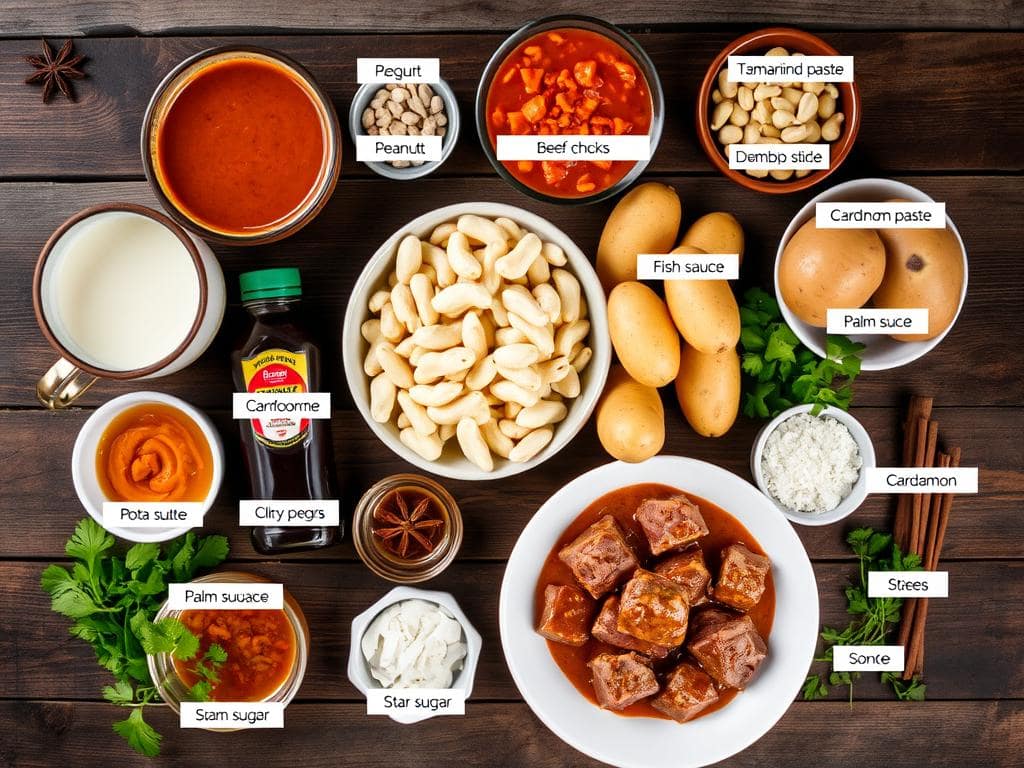
The magic of Massaman curry lies in its unique blend of ingredients that create a rich, aromatic profile unlike any other Thai dish. Here are the core components you’ll need:
Core Ingredients
- Coconut milk: The creamy base that gives Massaman its rich texture. Look for high-quality, full-fat coconut milk like Chaokoh or Aroy-D brands.
- Massaman curry paste: The heart of the dish, containing dried spices, lemongrass, galangal, and chilies. Mae Ploy and Maesri make excellent store-bought options.
- Meat: Traditionally made with beef (particularly chuck or short ribs) or chicken thighs. The slow cooking process makes even tougher cuts tender.
- Potatoes: Yukon gold or waxy potatoes work best as they hold their shape during the long cooking process.
- Peanuts: Whole roasted peanuts add texture and a nutty flavor that’s distinctive to Massaman curry.
- Tamarind paste: Provides the essential sour note that balances the richness of the coconut milk.
Aromatic Spices
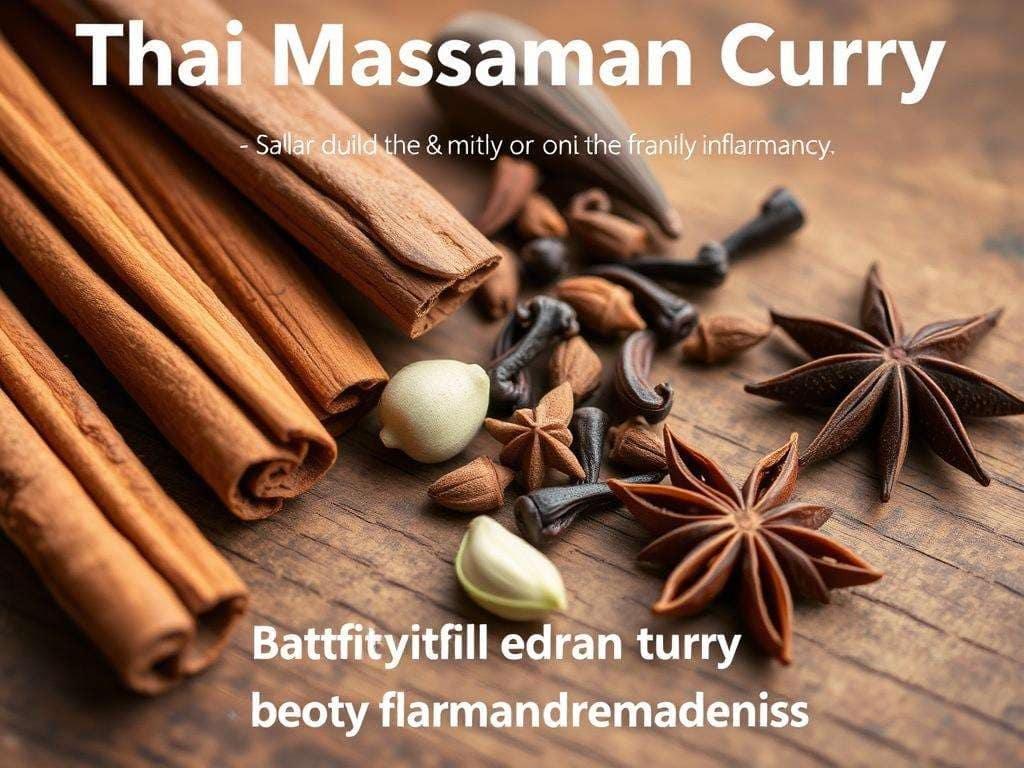
- Cinnamon: Whole sticks or ground cinnamon adds warmth and sweetness.
- Cardamom: Whole pods or ground cardamom provides a complex, slightly sweet aroma.
- Star anise: Its distinctive licorice-like flavor is subtle but important.
- Cloves: Adds depth and warmth to the curry’s profile.
- Cumin: Ground or as seeds, it provides earthy notes.
- Palm sugar: Traditional Thai sweetener that balances the spices and sour elements.
- Fish sauce: The umami foundation of Thai cooking, adding depth and saltiness.
Vegetarian and Substitution Options
For a vegetarian version, replace the meat with firm tofu, mushrooms, or additional vegetables like eggplant and cauliflower. Use soy sauce or coconut aminos instead of fish sauce. The curry paste may contain shrimp paste, so look for vegetarian-friendly brands or make your own.
Want more Thai cooking tips?
Sign up for our newsletter to receive authentic Thai recipes and ingredient guides directly to your inbox!
Sourcing Hard-to-Find Ingredients
Some ingredients like galangal, kaffir lime leaves, and tamarind paste may be challenging to find in regular supermarkets. Look for these at:
- Asian grocery stores, particularly those specializing in Southeast Asian products
- International sections of well-stocked supermarkets
- Online specialty food retailers
- Farmers markets in diverse urban areas
If you can’t find fresh galangal or kaffir lime leaves, dried versions will work in a pinch, though they provide less aromatic intensity.
Authentic Thai Massaman Curry Recipe
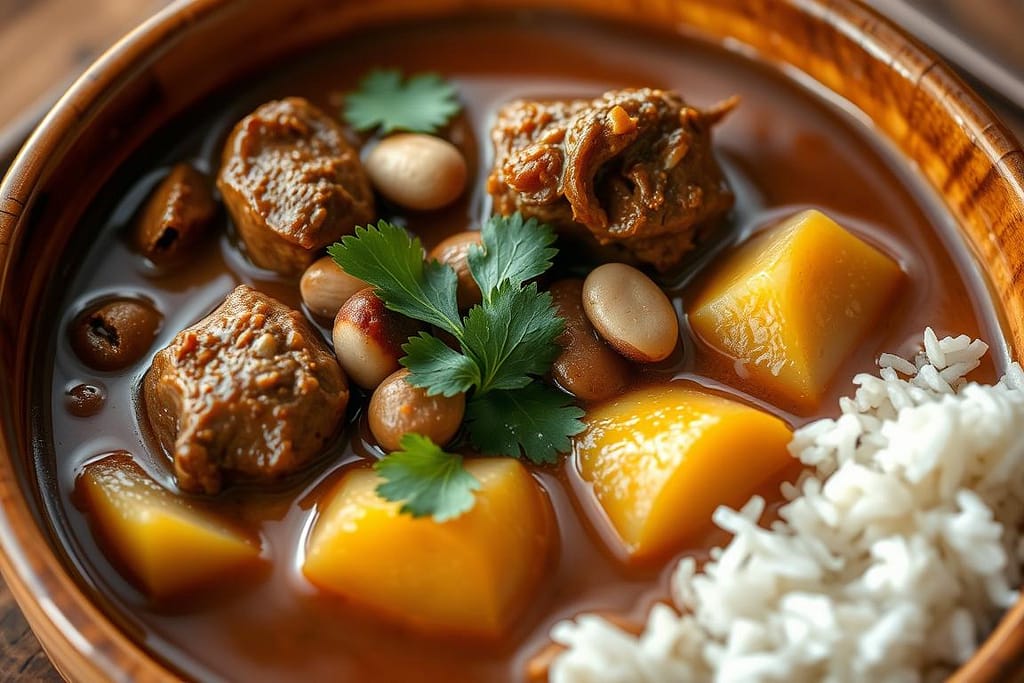
Thai Massaman Curry
A rich, aromatic curry with tender meat, potatoes, and a complex blend of spices.
Prep Time: 20 minutes
Cook Time: 1 hour 30 minutes
Total Time: 1 hour 50 minutes
Servings: 4-6
Difficulty: Moderate
Cuisine: Thai
Gluten-Free
UNESCO Listed
Ingredients
For the Curry:
- 2 pounds (900g) beef chuck or chicken thighs, cut into 1.5-inch chunks
- 2 cans (13.5 oz each) full-fat coconut milk
- 4-6 tablespoons Massaman curry paste (store-bought or homemade)
- 1 pound (450g) Yukon gold potatoes, cut into 2-inch pieces
- 1 large yellow onion, cut into wedges
- 1/2 cup roasted unsalted peanuts
- 3 tablespoons fish sauce
- 2-3 tablespoons palm sugar or brown sugar
- 2 tablespoons tamarind paste
- 2 tablespoons vegetable or coconut oil
Aromatics and Garnish:
- 2 cinnamon sticks (or 1 teaspoon ground cinnamon)
- 5 cardamom pods, lightly crushed
- 3 star anise
- 5 cloves
- Fresh cilantro leaves, for garnish
- Thinly sliced red chili (optional, for garnish)
- Jasmine rice, for serving
Cooking Instructions
- Prepare the Base: In a large, heavy-bottomed pot, heat the oil over medium heat. Add 1/2 cup of coconut milk and simmer until it begins to separate (about 3-5 minutes).
- Bloom the Curry Paste: Add the Massaman curry paste to the reduced coconut milk and stir continuously for 2-3 minutes until fragrant and the oil begins to separate from the paste.
- Add Aromatics: Stir in the cinnamon, cardamom, star anise, and cloves, cooking for another minute until the spices release their aroma.
- Cook the Meat: Add the meat pieces and stir to coat them with the curry paste. Cook for 5 minutes, turning occasionally to sear all sides.
- Add Remaining Ingredients: Pour in the remaining coconut milk, 1 cup of water, fish sauce, palm sugar, and tamarind paste. Stir well to combine.
- Simmer: Bring to a gentle boil, then reduce heat to low. Cover and simmer for 1 hour (for chicken) or 1.5 hours (for beef) until the meat is tender.
- Add Vegetables: Add the potatoes and onions to the pot. Continue simmering for 20-30 minutes until the potatoes are fork-tender but not falling apart.
- Final Touches: Stir in the roasted peanuts. Taste and adjust seasoning with more fish sauce, tamarind paste, or palm sugar as needed.
- Serve: Ladle the curry into bowls over jasmine rice. Garnish with fresh cilantro leaves and sliced red chili if desired.
Pro Tips for Perfect Massaman Curry
- Low and slow: The key to developing deep flavors is gentle simmering. Never rush this curry with high heat.
- Balance is key: The perfect Massaman has a balance of sweet (sugar), salty (fish sauce), sour (tamarind), and rich (coconut milk) flavors.
- Rest before serving: Like many stews, Massaman curry tastes even better the next day after flavors have melded.
- Texture matters: Add the potatoes later in the cooking process to prevent them from becoming too soft.
Regional Variations and Adaptations
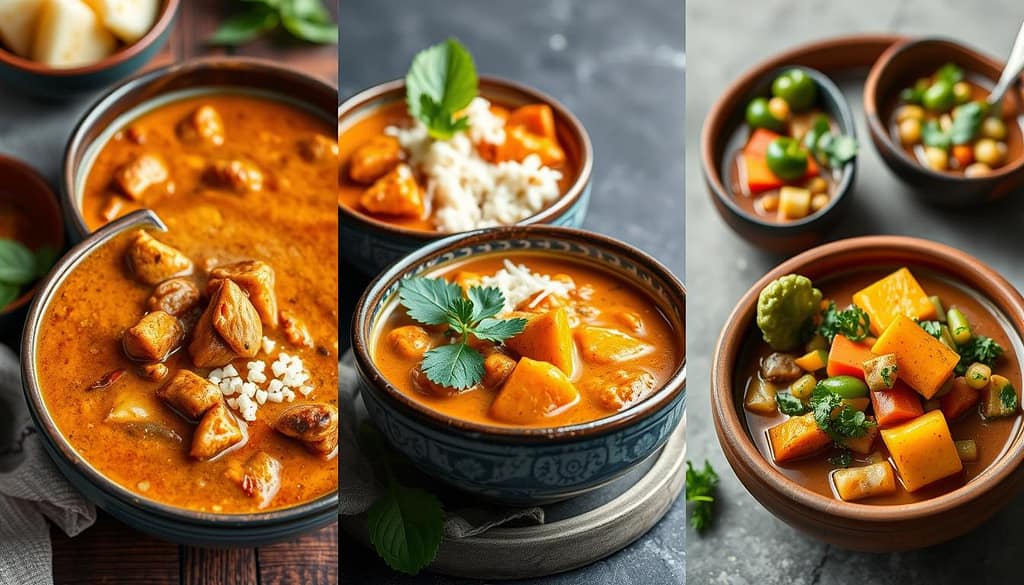
While Massaman curry has a distinct identity, its preparation varies across Thailand and has evolved over centuries:
Southern Thai Style
In Southern Thailand, closer to Malaysia, Massaman curry tends to be spicier and more aromatic. Additional cardamom and cloves are often used, and the curry may include more tamarind for a tangier profile. Chicken is the most common protein in this region.
Central Thai (Royal) Style
The royal Thai version features meticulously cut ingredients of uniform size and a perfectly balanced flavor profile that’s neither too spicy nor too sweet. The sauce is often reduced to a thicker consistency, and the presentation is more refined.
Modern Adaptations
Contemporary versions might include non-traditional ingredients like carrots, sweet potatoes, or even pineapple. Some chefs create fusion versions with influences from other cuisines, such as adding coconut cream on top or serving with roti instead of rice.
Instant Pot and Slow Cooker Adaptations
Modern cooking methods can make this traditionally time-consuming dish more accessible:
Instant Pot Method
- Use the sauté function to bloom the curry paste and sear the meat
- Add all ingredients except potatoes and peanuts
- Pressure cook for 35 minutes (beef) or 15 minutes (chicken)
- Quick release, add potatoes, and pressure cook for an additional 5 minutes
- Stir in peanuts after cooking is complete
Slow Cooker Method
- Bloom curry paste and sear meat in a separate pan first
- Transfer to slow cooker with all ingredients except potatoes and peanuts
- Cook on low for 6-8 hours (beef) or 4-6 hours (chicken)
- Add potatoes during the final 1-2 hours of cooking
- Stir in peanuts just before serving
Cultural Significance of Thai Massaman Curry
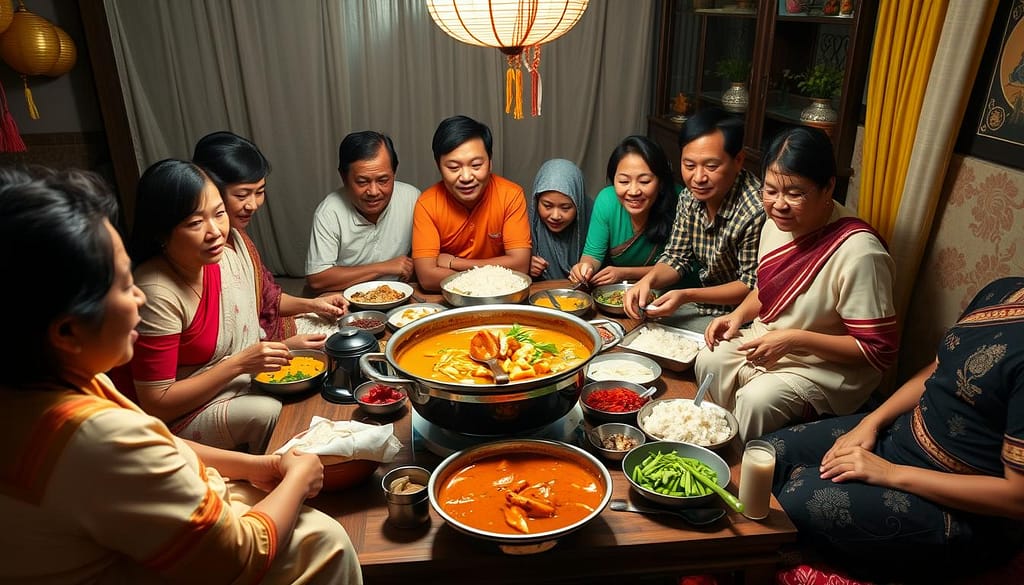
Massaman curry holds a special place in Thai culture, representing the country’s openness to foreign influences while maintaining its unique culinary identity.
Role in Thai Festivals and Celebrations
During important Thai festivals like Songkran (Thai New Year) and family gatherings, Massaman curry often appears as a special dish. Its rich flavor and prestigious history make it suitable for celebrations, while its ability to feed many people from one pot makes it practical for large gatherings.
In Muslim communities in Southern Thailand, Massaman curry is a staple during Eid celebrations, highlighting its cross-cultural significance and the harmonious integration of Muslim traditions into Thai society.
Symbol of Cultural Exchange
Massaman curry stands as a delicious symbol of Thailand’s historical trade relations and cultural exchanges. The dish demonstrates how Thailand has historically welcomed outside influences while transforming them into something uniquely Thai. This cultural adaptability is a source of pride and a recurring theme in Thai culinary history.
“Massaman, the king of curries and perhaps the most delicious food on earth.”
UNESCO Recognition
In 2021, Thai cuisine was added to UNESCO’s Intangible Cultural Heritage list, with Massaman curry highlighted as one of the significant dishes representing Thailand’s culinary heritage. This recognition acknowledges not just the dish itself, but the cultural knowledge, traditions, and social practices surrounding its preparation and consumption.
Perfect Pairings for Thai Massaman Curry
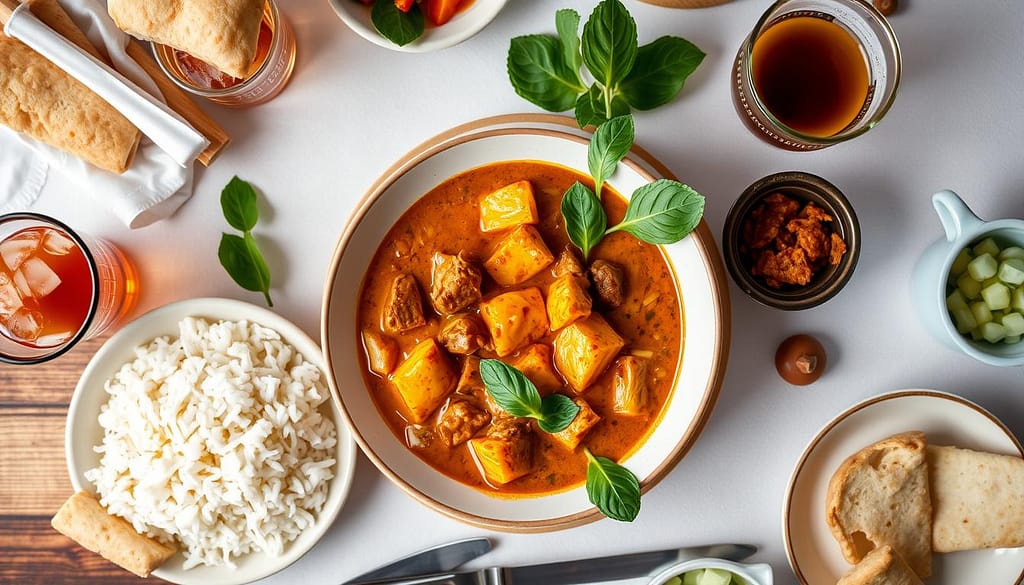
Traditional Accompaniments
The rich, complex flavors of Massaman curry pair beautifully with several traditional Thai accompaniments:
Jasmine Rice
The fragrant, slightly sticky nature of jasmine rice makes it the perfect canvas for soaking up the rich curry sauce. The subtle floral aroma of the rice complements the spices in the curry without competing with them.
Roti
This flaky, pan-fried flatbread has its roots in Indian cuisine but has become a popular pairing for Massaman curry, especially in Southern Thailand. Tear off pieces to scoop up the curry for a delightful textural contrast.
Ajad (Cucumber Relish)
This simple side of cucumbers, shallots, and chilies in a sweet-sour vinegar dressing provides a refreshing counterpoint to the rich curry, cleansing the palate between bites.
Beverage Pairings
Complete your Massaman curry experience with these complementary beverages:
- Thai Iced Tea: The sweet, creamy nature of Thai iced tea balances the complex spices in the curry.
- Coconut Water: A refreshing, subtle option that echoes the coconut notes in the curry.
- Beer: A cold lager or wheat beer cuts through the richness of the curry. Thai beers like Singha or Chang are authentic choices.
- Wine: Off-dry Riesling or Gewürztraminer complement the spices without being overwhelmed by them.
Share Your Massaman Curry Experience!
Have you tried making this recipe? We’d love to hear about your experience and any personal touches you added to make it your own.
Health Benefits and Nutritional Profile
Beyond its incredible flavor, Massaman curry contains several ingredients with potential health benefits:
Beneficial Ingredients
- Turmeric: Contains curcumin, known for its anti-inflammatory and antioxidant properties.
- Cinnamon: May help regulate blood sugar and has antimicrobial properties.
- Cardamom: Rich in antioxidants and may help with digestive issues.
- Ginger: Contains gingerol, which has powerful anti-inflammatory effects.
- Coconut milk: Provides medium-chain triglycerides (MCTs), which may support heart health when consumed in moderation.
- Peanuts: Good source of protein and healthy fats.
Nutritional Considerations
- Calories: A typical serving (1.5 cups) contains approximately 400-500 calories, depending on the meat used.
- Protein: 25-30g per serving from meat and peanuts.
- Fat: 30-35g, primarily from coconut milk (mostly saturated fat).
- Carbohydrates: 20-25g, mainly from potatoes and sugar.
- Sodium: Can be high due to fish sauce; adjust to taste and dietary needs.
Dietary Adaptations
Massaman curry can be adapted for various dietary needs:
- Lower calorie: Use light coconut milk and increase the proportion of vegetables to meat.
- Lower carb: Substitute cauliflower or turnips for potatoes.
- Vegetarian/Vegan: Use tofu or tempeh instead of meat, and soy sauce or coconut aminos instead of fish sauce.
- Gluten-free: Most ingredients are naturally gluten-free, but check curry paste labels for hidden gluten.
Embracing the Legacy of Thai Massaman Curry
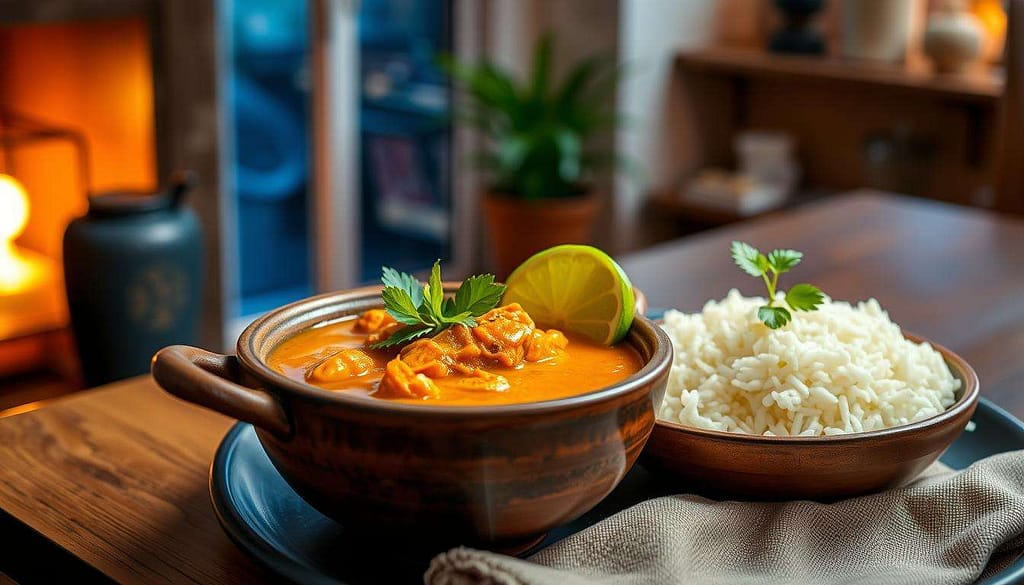
Thai Massaman curry represents the beautiful intersection of culinary traditions, historical trade routes, and cultural exchange. Its complex flavors tell the story of Thailand’s openness to foreign influences while maintaining its distinct culinary identity. From humble beginnings as a fusion dish introduced by Persian traders to its current status as a UNESCO-recognized culinary treasure, Massaman curry continues to captivate food lovers around the world.
Whether you’re making it for a special occasion or a comforting weeknight meal, this curry offers more than just sustenance—it provides a taste of Thailand’s rich cultural heritage and the country’s remarkable ability to transform outside influences into something uniquely Thai. As you master this recipe and make it your own, you become part of the continuing story of this extraordinary dish.
Discover More Thai Culinary Treasures
Join our newsletter community to receive authentic Thai recipes, ingredient guides, and cultural insights directly to your inbox.
Frequently Asked Questions About Thai Massaman Curry
Is Massaman curry spicy?
Massaman curry is one of the mildest Thai curries, making it perfect for those with lower spice tolerance. The focus is more on aromatic spices rather than chili heat. However, you can adjust the spice level by adding more or less curry paste or including fresh chilies as a garnish.
Can I make Massaman curry paste from scratch?
Yes, homemade Massaman curry paste is possible and rewarding. You’ll need dried chilies, lemongrass, galangal, shallots, garlic, coriander seeds, cumin seeds, cardamom, cinnamon, cloves, nutmeg, white pepper, and shrimp paste. Toast the dry spices, then pound all ingredients together in a mortar and pestle or process in a food processor until smooth.
How long does Massaman curry keep in the refrigerator?
Massaman curry actually improves with time as the flavors meld. It can be stored in an airtight container in the refrigerator for up to 4 days. When reheating, do so gently to prevent the meat from becoming tough and the potatoes from breaking down.
Can Massaman curry be frozen?
Yes, Massaman curry freezes well. Cool it completely, then store in airtight containers or freezer bags for up to 3 months. Thaw overnight in the refrigerator and reheat gently on the stovetop. The texture of the potatoes may change slightly after freezing, but the flavor remains excellent.
What makes Massaman curry different from other Thai curries?
Massaman curry stands apart from other Thai curries like green, red, or yellow curry due to its Persian and Indian influences. It uses warm spices like cinnamon, cardamom, and cloves that aren’t typically found in other Thai curries. It’s also milder, sweeter, and has a thicker, stew-like consistency compared to the soupy texture of many other Thai curries.https://www.recipetineats.com/massaman-curry/