Best Stocks to Buy Now: Top Picks for 2025
Get Our Premium Stock Picks
Gain instant access to our complete research reports, real-time alerts, and portfolio management tools.
Current Market Landscape: What’s Driving Stock Performance in 2025
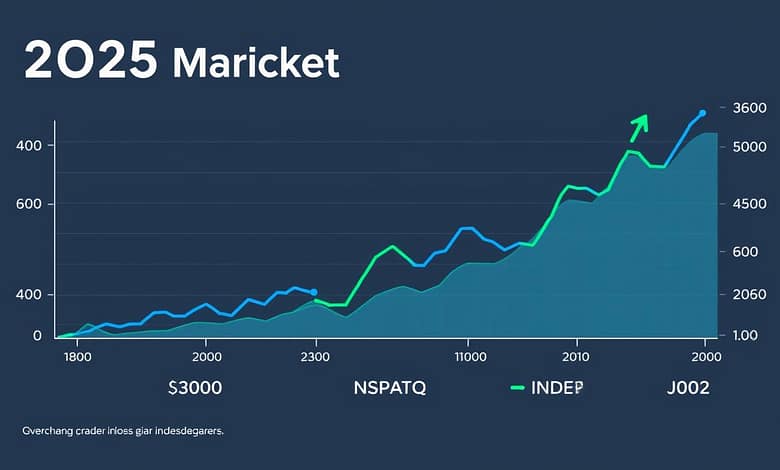
Major indices performance in 2025 (Source: Market Data)
The market has demonstrated remarkable resilience in 2025, with the S&P 500 hovering around 6,390 points and the NASDAQ maintaining its position above 21,400. This performance comes despite ongoing concerns about inflation, interest rates, and global economic uncertainties.
The technology sector continues to lead market gains, particularly companies involved in artificial intelligence infrastructure. Meanwhile, financial services stocks have shown strong performance, up 11.6% year-to-date compared to the broader market’s 8.8% gain.
For investors looking to capitalize on current market conditions, our analysis focuses on companies with strong fundamentals, clear growth catalysts, and reasonable valuations relative to their potential.
Key Metrics for Evaluating the Best Stocks to Buy Now

Before diving into our top picks, it’s important to understand the key metrics we use to evaluate investment opportunities:
Growth Indicators
- Revenue growth rate (year-over-year)
- Earnings growth trajectory
- Market share expansion
- New product/service development
- International expansion potential
Valuation Metrics
- Price-to-Earnings (P/E) ratio
- Price-to-Sales (P/S) ratio
- Enterprise Value to EBITDA
- Dividend yield (if applicable)
- Free cash flow generation
Want More In-Depth Analysis?
Our premium research service provides comprehensive metrics and analysis for over 1,000 stocks.
Top Technology Stocks to Consider

Technology remains one of the most dynamic sectors for growth-oriented investors. Our analysis has identified three standout technology companies with strong potential for continued appreciation.
1. Nvidia (NVDA)
Current Price: $183.15 | Market Cap: $4.5T
Nvidia continues to dominate the AI chip market, with its GPUs powering everything from data centers to autonomous vehicles. The company’s revenue growth remains impressive, with cloud providers significantly increasing their capital expenditures for AI infrastructure.
Growth Catalysts:
- Expanding AI data center buildout across major tech companies
- Potential reapproval of export licenses for H20 chips to China
- New GPU architectures with improved performance metrics
Risk Factors:
- Increasing competition from AMD and Intel
- Regulatory challenges in international markets
- High valuation multiples requiring continued growth
Analyst Consensus: Most analysts maintain a “Buy” rating with price targets ranging from $200 to $250.
2. Microsoft (MSFT)
Current Price: $526.09 | Market Cap: $3.9T
As the second-largest company globally, Microsoft continues to deliver impressive growth across its business segments. Its Azure cloud platform saw a remarkable 39% revenue increase in the latest quarter, driven by AI infrastructure demand.
Growth Catalysts:
- Azure’s growing market share in cloud computing
- AI integration across Office 365 and productivity tools
- Gaming division expansion following Activision Blizzard acquisition
Risk Factors:
- Regulatory scrutiny of cloud and AI businesses
- Increasing competition in cloud services
- Potential slowdown in enterprise IT spending
Analyst Consensus: Strong “Buy” rating with price targets between $550 and $600.
3. Meta Platforms (META)
Current Price: $772.68 | Market Cap: $1.9T
Meta Platforms has successfully navigated challenges to its advertising business and is now delivering stronger-than-expected growth. The company reported 22% revenue growth in Q2 2025, significantly exceeding guidance of 13%.
Growth Catalysts:
- AI-enhanced advertising effectiveness and targeting
- Growing engagement across Instagram and WhatsApp
- Metaverse investments beginning to show commercial applications
Risk Factors:
- Privacy regulation impacts on ad targeting
- Competition for user attention from TikTok and emerging platforms
- High R&D spending on metaverse with uncertain returns
Analyst Consensus: “Buy” rating with price targets ranging from $800 to $900.
Best Financial Stocks to Buy Now

Financial services stocks have shown strong performance in 2025, with several companies trading at attractive valuations relative to their growth potential.
1. PayPal (PYPL)
Current Price: $77.08 | Market Cap: $82.4B
PayPal continues to be a dominant player in digital payments despite increased competition. The company is shifting focus toward cost control and product innovation to drive more profitable growth.
Growth Catalysts:
- Venmo monetization initiatives gaining traction
- Expansion into in-person payment solutions
- Strategic partnerships with major e-commerce platforms
Risk Factors:
- Increasing competition from Apple Pay and Block
- Potential economic downturn affecting discretionary spending
- Regulatory challenges in international markets
Analyst Consensus: “Buy” rating with price targets between $90 and $110.
2. U.S. Bancorp (USB)
Current Price: $46.11 | Market Cap: $71.8B
As one of the largest regional banks in the United States, U.S. Bancorp offers a compelling combination of stability, dividend income, and growth potential. The bank has consistently delivered strong returns and operational efficiency.
Growth Catalysts:
- Expansion of payment ecosystem and merchant acquiring business
- Integration benefits from Union Bank acquisition
- Rising interest rate environment supporting net interest margins
Risk Factors:
- Potential economic slowdown affecting loan demand
- Increasing competition in payment processing
- Regulatory changes impacting banking operations
Analyst Consensus: “Buy” rating with price targets between $50 and $60.
Consumer Sector Opportunities

The consumer sector offers several compelling investment opportunities, particularly among companies with strong brand recognition and expanding market presence.
1. Dutch Bros (BROS)
Current Price: $68.71 | Market Cap: $11.5B
Dutch Bros has established itself as a fast-growing coffee chain with a loyal customer base and efficient drive-thru model. The company’s expansion strategy is driving strong revenue growth while maintaining profitability.
Growth Catalysts:
- Aggressive store expansion plan (targeting 2,000 locations by 2029)
- Growing Dutch Rewards program (72% of transactions)
- Successful mobile order implementation (11% of transaction mix)
Risk Factors:
- Increasing competition from Starbucks and other coffee chains
- Potential margin pressure from commodity price fluctuations
- Execution risks associated with rapid expansion
Analyst Consensus: “Buy” rating with price targets between $75 and $85.
2. Toast (TOST)
Current Price: $43.61 | Market Cap: $24.2B
Toast provides a comprehensive restaurant management platform that combines point-of-sale systems, online ordering, payments, and other essential services. The company is expanding beyond restaurants to other food and beverage retailers.
Growth Catalysts:
- Rapid location growth (added 6,000+ new locations in Q1 2025)
- Expansion into new verticals (convenience stores, grocery stores)
- Increasing gross payment volume (up 22% year-over-year)
Risk Factors:
- Competition from established POS providers and new entrants
- Potential restaurant industry slowdown affecting client acquisition
- Technological disruption in payment processing
Analyst Consensus: “Buy” rating with price targets between $50 and $60.
Business Services Growth Stocks

Business services companies are benefiting from ongoing digital transformation and the need for specialized solutions across industries.
1. Monday.com (MNDY)
Current Price: $183.53 | Market Cap: $13B
Monday.com offers a customizable visual work platform that allows teams to manage projects and workflows without requiring software development expertise. The company serves clients across diverse industries including technology and finance.
Growth Catalysts:
- Expanding multiproduct offering and AI feature adoption
- Growing enterprise client base (up 46% year-over-year)
- Strong net dollar retention rate (112%)
Risk Factors:
- Intense competition in the project management space
- Potential IT spending cuts during economic uncertainty
- Customer acquisition cost challenges
Analyst Consensus: “Buy” rating with price targets between $200 and $250.
2. TransUnion (TRU)
Current Price: $94.30 | Market Cap: $18.3B
TransUnion is one of the three leading credit bureaus in the United States, providing consumer information that forms the basis for credit decisions. The company has successfully expanded beyond its core business into emerging verticals.
Growth Catalysts:
- International expansion, particularly in high-growth markets like India
- Diversification into insurance, rental screening, and collections
- Strategic acquisitions enhancing data and analytics capabilities
Risk Factors:
- Regulatory changes affecting data usage and privacy
- Economic downturn impacting credit activity
- Competition from other credit bureaus and fintech disruptors
Analyst Consensus: “Buy” rating with price targets between $110 and $125.
Portfolio Diversification Strategy
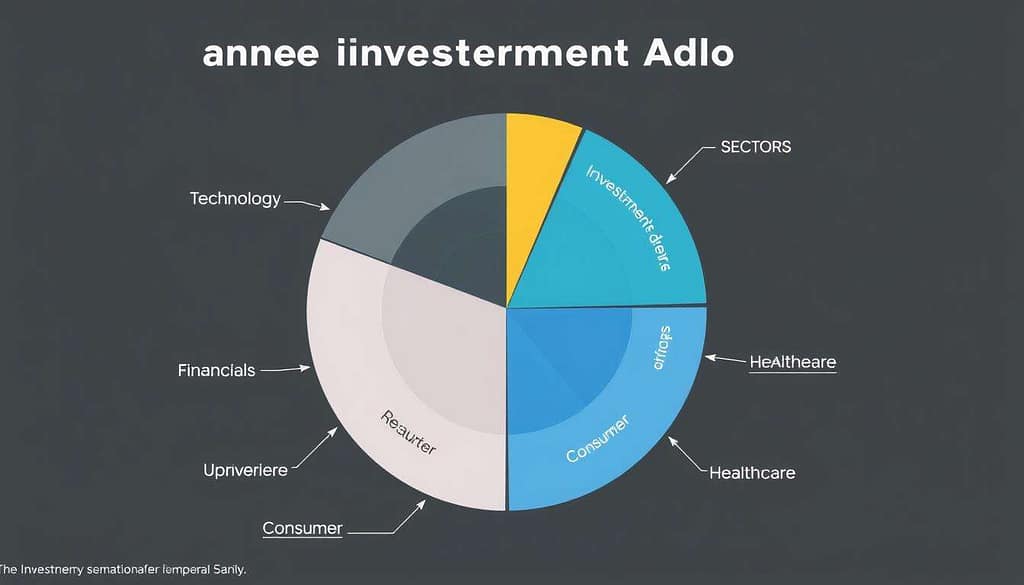
When building a portfolio with the best stocks to buy now, proper diversification is essential for managing risk while maximizing return potential. Here’s our recommended approach:
| Sector | Allocation % | Recommended Stocks | Risk Profile |
| Technology | 30-35% | NVDA, MSFT, META | Moderate to High |
| Financial Services | 20-25% | PYPL, USB | Moderate |
| Consumer | 15-20% | BROS, TOST | Moderate to High |
| Business Services | 15-20% | MNDY, TRU | Moderate |
| Cash/Bonds | 5-10% | N/A | Low |
Balancing Growth and Value
A well-constructed portfolio should balance high-growth opportunities with more stable value investments. While companies like Nvidia and Monday.com offer significant growth potential, including established businesses like U.S. Bancorp provides stability and income through dividends.
Sector Rotation Strategy
Consider implementing a sector rotation strategy that adjusts allocations based on economic cycles. In the current environment, technology and financial services appear well-positioned, but maintaining flexibility to shift as conditions change is crucial.
Get Our Complete Portfolio Strategy Guide
Access our detailed portfolio construction framework, rebalancing schedule, and sector rotation strategies.
Investment Timeframes: Short-Term vs. Long-Term Approach

Short-Term Strategy (6-12 Months)
For investors with a shorter time horizon, consider these approaches:
- Focus on companies with near-term catalysts like NVDA (upcoming earnings) and META (advertising growth momentum)
- Consider trimming positions that reach target prices
- Maintain higher cash reserves (10-15%) for opportunistic buying
- Implement stop-loss orders to protect gains
Long-Term Strategy (3-5+ Years)
For long-term investors, we recommend:
- Build core positions in companies with sustainable competitive advantages like MSFT and TRU
- Dollar-cost average into positions over time
- Reinvest dividends from income-generating stocks like USB
- Focus less on short-term price movements and more on business fundamentals
“The stock market is a device for transferring money from the impatient to the patient.” – Warren Buffett
Regardless of your time horizon, maintaining discipline and avoiding emotional decisions is crucial for investment success. Our research suggests that the best stocks to buy now offer compelling opportunities for both short-term traders and long-term investors, though the specific allocation and approach may differ.
Final Thoughts: Navigating the Market in 2025

The best stocks to buy now represent companies with strong fundamentals, clear growth catalysts, and reasonable valuations relative to their potential. While market conditions may fluctuate, focusing on quality businesses with competitive advantages provides the best foundation for investment success.
Our analysis suggests that technology leaders like Nvidia and Microsoft, financial innovators like PayPal, and emerging consumer brands like Dutch Bros offer compelling opportunities in the current environment. By diversifying across sectors and balancing growth with value, investors can position themselves for both near-term gains and long-term wealth building.
Remember that individual investment decisions should align with your personal financial goals, risk tolerance, and time horizon. Consider consulting with a financial advisor before making significant portfolio changes.
Get Our Complete Investment Research Package
Access in-depth analysis on all our recommended stocks, plus weekly updates and market insights.
Disclaimer: The information provided in this article is for educational purposes only and should not be construed as investment advice. Stock investments involve risk and may result in loss of principal. Past performance is not indicative of future results. Always conduct your own research or consult with a financial advisor before making investment decisions.https://economictimes.indiatimes.com/markets/stocks/news/ahead-of-market-10-things-that-will-decide-stock-market-action-on-wednesday/articleshow/123390635.cms?from=mdr