India Slams US, EU for ‘Unjustified’ Criticism Over Russian Oil Trade Dealings
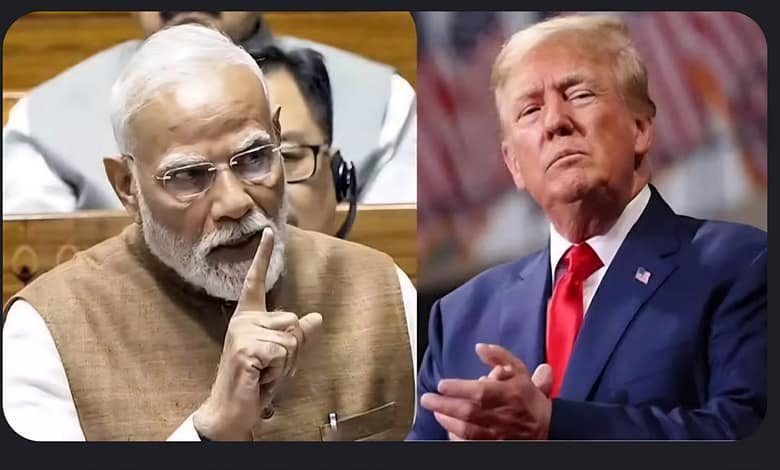
Recent diplomatic tensions have escalated as India pushes back against criticism from the US and EU regarding its continued trade dealings with Russia, particularly in the oil sector.

The criticism has been labeled as ‘unjustified’ by India, which argues that its actions are sovereign and based on its national interests.
As global politics continue to evolve, understanding the dynamics of this diplomatic standoff is crucial.
Key Takeaways
- The US and EU have criticized India’s trade dealings with Russia.
- India views the criticism as ‘unjustified’ and based on its sovereign decisions.
- The trade dealings in question primarily involve Russian oil imports.
- Diplomatic tensions between India and the Western nations have escalated.
- The situation reflects the complex nature of global politics and trade.
The Current State of India-Russia Oil Trade Relations
Russia has emerged as India’s second-largest oil supplier, challenging traditional trade dynamics. This shift is largely attributed to the ongoing Ukraine conflict, which has significantly impacted global energy markets.
Volume and Value of Current Oil Imports from Russia
India’s oil imports from Russia have surged, with significant discounts on crude oil prices making Russian oil an attractive option. The volume of these imports has seen a substantial increase since 2022.
Statistical Trends Since 2022
Data indicates a steady rise in oil imports from Russia, with a notable spike in the months following the Ukraine conflict. This trend reflects India’s strategic response to changing global energy dynamics.
Comparison with Pre-Ukraine Conflict Levels
Pre-conflict, Russia was not among India’s top oil suppliers. However, the current scenario has seen a dramatic shift, with Russia now playing a crucial role in India’s energy security.
Historical Context of India-Russia Energy Partnership
The energy partnership between India and Russia dates back to the Soviet era, with cooperation in various energy sectors.
Soviet-Era Energy Cooperation
During the Soviet era, India and Russia collaborated on several energy projects, laying the groundwork for current trade relations.
Recent Bilateral Energy Agreements
Recent years have seen the signing of several bilateral energy agreements, further strengthening the energy partnership between the two nations.
Understanding Western Sanctions Against Russian Energy Sector
Western nations have imposed a series of sanctions targeting Russia’s energy sector, reflecting the international community’s response to the Ukraine conflict. These sanctions have significant implications for global trade agreements and international relations.
Overview of US and EU Sanctions Following Ukraine Conflict
The US and EU have implemented multiple sanction packages in response to the ongoing conflict. These measures aim to restrict Russia’s ability to finance its energy projects and limit its revenue from oil exports.
Key Sanction Packages and Timelines
- Initial sanctions imposed in March 2022
- Expanded sanctions in June 2022 targeting key energy companies
- Further restrictions in December 2022 affecting insurance and financing
Targeted Russian Energy Companies and Individuals
Sanctions have been imposed on major Russian energy companies, including Gazprom and Rosneft, as well as on key individuals involved in the energy sector.
Specific Restrictions on Russian Oil Exports
The sanctions include specific restrictions on Russian oil exports, such as price cap mechanisms and banking and insurance restrictions.
Price Cap Mechanisms
A price cap of $60 per barrel was imposed on Russian oil exports, aiming to reduce Russia’s revenue while maintaining global oil supply stability.
Banking and Insurance Restrictions
| Restriction | Description | Impact |
|---|---|---|
| Banking Restrictions | Limiting access to international financing | Reduced ability to finance new projects |
| Insurance Restrictions | Prohibiting insurance coverage for Russian oil shipments | Increased costs and logistical challenges |

The impact of these sanctions on diplomatic tensions and global trade agreements is significant, reflecting the complex interplay of international relations in the energy sector.
Recent Criticisms from US and EU Officials
The recent diplomatic dispute between India and the US/EU has brought to light the complex issue of India’s trade dealings with Russia. The US and EU have been critical of India’s increasing oil imports from Russia, viewing it as a contravention of the sanctions imposed on Russia.
The criticisms have been voiced through various channels, including official diplomatic communications and public statements by senior officials.
Statements from US State Department
The US State Department has been vocal in its criticism of India’s oil trade with Russia.
Official Diplomatic Communications
The US State Department has issued several diplomatic communications expressing concern over India’s increasing oil imports from Russia. These communications have highlighted the potential risks of sanctions circumvention and the re-export of refined products.
Public Statements by Senior Officials
Senior US officials have publicly criticized India’s trade practices, stating that they undermine the effectiveness of the sanctions imposed on Russia.
European Commission’s Position
The European Commission has also expressed concerns over India’s oil trade with Russia.
EU Parliament Resolutions
The EU Parliament has passed several resolutions calling on member states to take a tougher stance on countries that continue to trade with Russia.
Individual Member States’ Stances
Some EU member states have taken a more nuanced view, recognizing the complexities of India’s energy security concerns.
Specific Allegations Against India’s Trade Practices
The US and EU have made specific allegations against India’s trade practices, including claims of sanctions circumvention and concerns about the re-export of refined products.
Claims of Sanctions Circumvention
The US and EU have accused India of circumventing sanctions by continuing to purchase Russian oil.
Concerns About Re-export of Refined Products
There are also concerns that refined products from Indian refineries, which use Russian crude, are being re-exported to other countries, potentially undermining the sanctions regime.
| Country | Russian Oil Imports (2022) | Change from 2021 |
|---|---|---|
| India | 1.2 million barrels/day | +200% |
| China | 1.8 million barrels/day | +150% |
The diplomatic dispute between India and the US/EU highlights the complex geo-politics at play in the global energy market. As the situation continues to evolve, it remains to be seen how India will navigate these challenges while maintaining its energy security priorities.
India Slams US, EU for ‘Unjustified’ Criticism Over Russian Oil Trade Dealings
The Indian government has pushed back against ‘unjustified’ criticism from Western nations regarding its oil trade with Russia. This response comes after recent statements from US and EU officials questioning India’s dealings with Russia.

Official Statements from Indian Government
The Indian government has issued strong statements in response to the criticism. The Foreign Ministry and the Prime Minister’s Office have been at the forefront of this diplomatic pushback.
Foreign Ministry Responses
The Foreign Ministry has been vocal in defending India’s position, stating that the country’s energy security needs are paramount. They have emphasized that India’s actions are in line with its national interests and international law.
Prime Minister’s Position
The Prime Minister has also weighed in on the issue, reiterating India’s commitment to its strategic autonomy in energy procurement. The Prime Minister’s statements have underscored the importance of diversifying energy sources to meet India’s growing demands.
Key Arguments in India’s Defense
India’s defense of its oil trade with Russia is centered around two main arguments: energy security imperatives and the sovereign right to choose trading partners.
Energy Security Imperatives
India has emphasized that its energy security needs are critical. The country is one of the world’s largest importers of oil, and securing affordable energy sources is essential for its economic growth.
Sovereign Right to Choose Trading Partners
India has also stressed its sovereign right to engage in trade with any country, as long as such trade is conducted within the framework of international law. This principle is fundamental to India’s foreign policy and trade practices.
Diplomatic Language and Tone of India’s Response
The diplomatic language and tone used by India in its response have been assertive yet measured. The government has employed a range of rhetorical strategies to convey its position effectively.
Analysis of Rhetorical Strategies
India’s response has utilized diplomatic language that is firm but respectful. The use of terms like ‘unjustified criticism’ highlights India’s displeasure while maintaining a professional tone.
Comparison with Previous Diplomatic Disputes
Compared to previous diplomatic disputes, India’s response to the US and EU criticism is consistent with its historical stance on similar issues. The country has a tradition of defending its sovereign interests while engaging in multilateral diplomacy.
India’s Energy Security Concerns and Priorities
The quest for energy security is at the forefront of India’s national agenda, driven by rapid industrialization and urbanization. As the country continues to grow, its energy demands are escalating, making the need for a secure and stable energy supply paramount.
Domestic Energy Demand and Supply Gap
India faces a significant gap between its domestic energy demand and supply. This disparity is driven by various factors, including growing industrial energy requirements and the increasing needs of the transportation sector.
Growing Industrial Energy Requirements
Industries such as manufacturing, steel, and cement are energy-intensive and require a consistent supply of energy to operate efficiently. The growing demand from these sectors is putting additional pressure on India’s energy resources.
Transportation Sector Needs
The transportation sector, including both passenger and freight traffic, is another major consumer of energy. As the sector continues to grow, so does its energy demand, further widening the demand-supply gap.
Economic Implications of Energy Prices for India
The economic implications of energy prices are significant for India. High energy prices can lead to increased inflation and consumer costs, as well as affect the competitiveness of Indian manufacturing.
Impact on Inflation and Consumer Costs
When energy prices rise, it can lead to higher production costs, which are often passed on to consumers, contributing to inflation. This can have a broad impact on the economy, affecting the cost of living.
Effects on Manufacturing Competitiveness
High energy costs can make Indian manufacturing less competitive in the global market. This is a concern as India seeks to boost its manufacturing sector as part of its economic development strategy.

Strategic Energy Independence Goals
To address its energy security concerns, India is pursuing strategic energy independence goals. This includes diversifying its energy sources and enhancing domestic production.
Diversification of Energy Sources
Diversifying energy sources is crucial for reducing dependence on any single source, thereby enhancing energy security. India is exploring various alternatives, including renewable energy sources.
Domestic Production Enhancement Efforts
Enhancing domestic energy production is another key strategy. This involves investing in exploration and production activities, as well as improving the efficiency of existing energy infrastructure.
| Energy Source | Current Production | Projected Growth |
|---|---|---|
| Coal | 800 million tons | 10% annual increase |
| Renewable Energy | 100 GW | 20% annual increase |
The Economic Logic Behind India’s Russian Oil Purchases
The economic rationale behind India’s Russian oil purchases is multifaceted, involving price advantages and trade balance considerations. India’s decision to continue buying oil from Russia is driven by the significant discounts offered, which have a direct impact on its energy costs and trade dynamics.
Price Advantages of Russian Oil
Russian oil is offered to India at discounted rates, making it an attractive option compared to other global suppliers.
Discount Rates and Terms
The discount rates on Russian oil are substantial, often significantly lower than the global market price. This allows India to save on its energy import bill.
Cost Savings Calculations
Studies have shown that India’s cost savings from purchasing Russian oil at discounted rates are considerable, running into billions of dollars annually.
Impact on India’s Trade Balance and Inflation
The purchase of Russian oil at discounted rates also has a positive impact on India’s trade balance and helps in stabilizing domestic prices.
Foreign Exchange Conservation
By saving on foreign exchange through cheaper oil imports, India is able to conserve its foreign exchange reserves, which can then be utilized for other critical imports or investments.
Domestic Price Stabilization Effects
The reduced cost of oil imports helps in keeping domestic fuel prices in check, thereby contributing to inflation control and supporting economic stability.
Alternative Supply Considerations
While Russian oil is attractive due to its pricing, India also considers alternative supply options, particularly from the Middle East.
Middle Eastern Supply Options
Countries in the Middle East, such as Saudi Arabia and the UAE, are traditional oil suppliers to India. However, their prices are often higher than Russia’s discounted rates.
Comparative Cost Analysis
| Supplier | Price per Barrel | Annual Cost (Billions USD) |
|---|---|---|
| Russia | $50 | $10 |
| Middle East | $60 | $12 |

India’s strategic decision to import oil from Russia is thus driven by a combination of economic factors, including price advantages and the need to maintain a stable trade balance. While alternative suppliers are considered, the cost benefits of Russian oil make it an attractive choice.
Double Standards in Western Energy Policies
The inconsistency in Western energy policies towards Russia has sparked debate, highlighting the need for a more nuanced understanding of global energy dynamics. As the geopolitical landscape continues to evolve, the energy trade between Russia and Western countries remains a contentious issue.
European Nations’ Continued Energy Dealings with Russia
Despite the ongoing conflict in Ukraine and subsequent sanctions, several European nations continue to engage in energy trade with Russia. This includes:
- Natural gas imports through third countries, which allows for loopholes in the sanctions.
- Exemptions and loopholes in the sanctions that permit certain energy transactions.

Historical Examples of Western Energy Pragmatism
Historically, Western countries have demonstrated pragmatism in their energy policies, often engaging with sanctioned regimes when it suits their energy needs. For instance:
“The West has a history of balancing its geopolitical stance with energy security needs, often leading to accusations of double standards.”
Past Dealings with Sanctioned Regimes
Examples include dealings with countries under various sanctions regimes, where energy security concerns have overridden geopolitical tensions.
Selective Application of Energy Sanctions
The selective application of energy sanctions by Western nations has been a point of contention, with some arguing it reflects a double standard in their global energy policies.
Comparative Analysis of Different Countries’ Approaches
Different countries have adopted varying strategies in their energy trade with Russia. For example:
Japan and South Korea’s Russian Energy Policies
Both Japan and South Korea have continued to engage in energy trade with Russia, balancing their energy needs with geopolitical considerations.
Turkey’s Balancing Strategy
Turkey has also maintained a delicate balance in its energy dealings with Russia, leveraging its geopolitical position to secure energy supplies.
In conclusion, the perceived double standards in Western energy policies towards Russia underscore the complexity of global energy politics and diplomatic tensions. As the geopolitical landscape continues to evolve, understanding these dynamics will be crucial for navigating the future of global energy trade.
Legal Analysis: India’s Compliance with International Law
India’s trade dealings with Russia have sparked a diplomatic dispute, prompting a closer examination of India’s compliance with international law. The controversy centers around India’s continued purchase of Russian oil, despite Western sanctions imposed on Russia.
India’s Position on Unilateral Sanctions
India has historically been cautious about unilateral sanctions imposed by countries or groups of countries. The legal distinction between UN-mandated sanctions and country-specific sanctions is crucial in understanding India’s stance.
Legal Distinction Between UN and Country-Specific Sanctions
UN sanctions are considered binding under international law, whereas country-specific sanctions are viewed as unilateral measures that may not be universally accepted.
India’s Historical Stance on Extraterritorial Application of Laws
India has traditionally opposed the extraterritorial application of laws, arguing that such practices can infringe upon national sovereignty.

UN Framework vs. Country-Specific Sanctions
The UN framework provides a multilateral approach to sanctions, whereas country-specific sanctions can create complexities in international trade.
Security Council Resolution Analysis
India’s actions are guided by UN Security Council Resolutions, which provide the legal basis for its international relations and trade practices.
WTO Compatibility Issues
The compatibility of country-specific sanctions with WTO rules is a contentious issue, with implications for global trade agreements.
Impact on US-India Bilateral Relations
The recent backlash from the US and EU against India’s trade dealings with Russia has raised questions about the resilience of the US-India partnership. Despite the criticisms, the foundation of US-India relations remains strong, built on decades of strategic cooperation.
Current State of US-India Partnership
The US-India partnership has seen significant advancements in recent years, particularly in strategic cooperation areas.
Strategic Cooperation Areas
- Defense and security
- Technology and trade initiatives
- Space exploration
Recent High-Level Diplomatic Exchanges
High-level diplomatic exchanges between the two nations have continued, indicating a mutual desire to maintain and strengthen bilateral ties.
Areas of Cooperation Despite Disagreements
Despite the current diplomatic tensions, there are several areas where the US and India continue to cooperate closely.
Defense and Security Collaboration
The US and India have a robust defense partnership, including joint military exercises and defense technology sharing.
Technology and Trade Initiatives
Both countries are engaged in various technology and trade initiatives, aiming to enhance bilateral economic ties.
| Area of Cooperation | Description | Status |
|---|---|---|
| Defense | Joint military exercises and defense technology sharing | Active |
| Technology | Initiatives to enhance bilateral tech cooperation | Ongoing |
| Trade | Efforts to increase bilateral trade | Progressing |
Potential Long-term Effects on Strategic Alliance
The ongoing diplomatic dispute could have several long-term implications for the US-India strategic alliance.
Trust Deficit Concerns
Repeated criticisms and disagreements may lead to a trust deficit, potentially weakening the alliance.
Realignment Possibilities in Indo-Pacific Strategy
The dispute might prompt a reevaluation of India’s position within the US-led Indo-Pacific strategy.

India’s Balancing Act in Global Geopolitics
India’s foreign policy is centered around maintaining strategic autonomy while engaging with multiple global powers. This approach is particularly relevant in the context of India’s relations with Russia, the US, and EU.
Relations with Russia, US, and EU Simultaneously
India’s diplomatic efforts involve a delicate balancing act between its historical ties with Russia and its growing strategic partnership with the US and interactions with the EU. Effective diplomatic messaging and compartmentalization of bilateral issues are key strategies in this endeavor.
Diplomatic Messaging Strategies
India employs nuanced diplomatic messaging to convey its positions without antagonizing any of the major powers involved. This approach helps in maintaining a stable relationship with multiple countries.
Compartmentalization of Bilateral Issues
By compartmentalizing bilateral issues, India aims to maintain cooperation in areas of mutual interest while managing disagreements. This strategy is crucial in navigating the complex geopolitical landscape.
India’s Non-aligned Foreign Policy Tradition
India’s non-aligned foreign policy tradition has its roots in the Cold War era, where it maintained equidistance from the two superpowers. This historical context continues to influence India’s diplomatic stance.
Historical Roots of Strategic Autonomy
This historical context has shaped India’s approach to strategic autonomy, allowing it to make independent decisions based on national interest.
Modern Adaptation of Non-alignment
In the contemporary multipolar world, India continues to adapt its non-alignment policy, engaging with various global groupings. This adaptation is evident in its participation in BRICS and the Quad.
Strategic Autonomy in a Multipolar World
India’s participation in forums like BRICS and the Quad reflects its strategic autonomy and willingness to engage in multiple geopolitical frameworks. This approach enables India to pursue its national interests effectively.
BRICS Engagement
Through BRICS, India collaborates with other emerging economies on issues ranging from economic cooperation to global governance. This engagement enhances India’s position in the global economy.
Quad Participation Alongside Russian Relations
Simultaneously, India’s involvement in the Quad security dialogue with the US, Japan, and Australia demonstrates its ability to engage in diverse geopolitical configurations without compromising its relations with Russia.

| Geopolitical Forum | Key Members | India’s Role |
|---|---|---|
| BRICS | Brazil, Russia, China, South Africa | Active participant in economic and governance initiatives |
| Quad | US, Japan, Australia | Engaged in security dialogue and cooperation |
| Bilateral Relations | Russia, US, EU | Maintaining strategic autonomy while cooperating on mutual interests |
Global South Perspectives on the Dispute
The Global South’s perspective on the diplomatic dispute between India, the US, and EU over Russian oil trade dealings offers a nuanced view of the complex geopolitical landscape.
Developing nations are increasingly asserting their economic and energy security priorities in the face of Western pressures.
Similar Positions from Other Developing Nations
Countries like Brazil and South Africa have taken a stance similar to India’s, prioritizing economic growth and energy security.
Brazil and South Africa’s Approaches
Brazil has maintained its diplomatic and economic ties with Russia, viewing the Ukraine conflict as a geopolitical issue rather than a moral imperative.
South Africa has also continued to engage with Russia, driven by its own economic interests and a desire to diversify its energy sources.
Southeast Asian Nations’ Stances
Southeast Asian countries, such as Vietnam and Malaysia, have adopted a cautious approach, balancing their relations with both the US and Russia.
Emerging Solidarity Among Non-Western Powers
The dispute has fostered a sense of solidarity among non-Western powers, who see the issue as part of a broader challenge to Western dominance.
Joint Statements and Diplomatic Support
Nations like China, India, and South Africa have issued joint statements expressing their support for a multipolar world order.
Alternative Payment Mechanisms Development
The development of alternative payment mechanisms, such as those using local currencies, is gaining traction among Global South nations.
Implications for Global Governance Structures
The Global South’s stance on the dispute has significant implications for global governance structures.
Reform Pressures on International Institutions
There is growing pressure on international institutions like the IMF and World Bank to reform their governance structures.
Challenges to Western-dominated Financial Systems
The emergence of alternative financial systems and currencies poses a challenge to Western-dominated financial structures.
| Nation | Stance on Russian Oil Trade | Key Drivers |
|---|---|---|
| Brazil | Maintaining ties with Russia | Economic interests, diplomatic relations |
| South Africa | Continued engagement with Russia | Energy security, economic diversification |
| India | Defending its oil trade dealings | Energy security, economic priorities |

Conclusion: Navigating Complex Trade Relations in a Divided World
India’s oil trade dealings with Russia have sparked intense debate, highlighting the complexities of global trade relations in a divided world. The criticisms from the US and EU have brought to the forefront the diplomatic tensions between these nations and India.
India’s stance on its energy security needs has been clear: it will not be swayed by external pressures that could potentially harm its economic interests. The country’s strategic autonomy in a multipolar world is a key factor in its decision-making process regarding trade relations.
The implications of this dispute extend beyond India’s borders, affecting global politics and diplomatic relations. As the world grapples with the challenges of energy security, the need for a balanced approach to trade relations becomes increasingly important.
In navigating these complex trade relations, nations must balance their economic interests with diplomatic considerations. The ongoing dialogue between India, the US, EU, and Russia will be crucial in shaping the future of global trade and diplomacy, amidst rising diplomatic tensions and evolving global politics.
FAQ
Why is India continuing to trade oil with Russia despite US and EU criticism?
India is prioritizing its energy security concerns and maintaining its sovereign right to choose its trading partners, emphasizing the economic benefits of discounted Russian oil prices.
What are the main criticisms from the US and EU regarding India’s Russian oil trade dealings?
The US and EU have criticized India for allegedly circumventing sanctions and for concerns about the re-export of refined products, claiming that India’s actions undermine the effectiveness of the sanctions imposed on Russia.
How does India’s trade with Russia impact its relations with the US and EU?
The diplomatic dispute over India’s Russian oil trade dealings has introduced tensions into India’s relations with the US and EU, potentially affecting their strategic partnership, but areas of cooperation such as defense and security collaboration remain intact.
What is India’s stance on unilateral sanctions imposed by other countries?
India maintains that unilateral sanctions imposed by countries or groups of countries are not binding under international law unless backed by a UN Security Council resolution, emphasizing its historical stance on the extraterritorial application of laws.
How does the current dispute reflect on global governance and international trade?
The dispute highlights the challenges to global governance structures and the Western-dominated financial systems, with the Global South, including India, seeking greater autonomy and reform in international institutions.
What are the potential long-term implications of India’s continued oil trade with Russia?
The long-term implications could include a realignment in India’s strategic alliances, particularly within the Indo-Pacific strategy, and potentially strengthening ties with other non-Western powers through mechanisms like BRICS.
Are there other countries supporting India’s stance on trading with Russia?
Yes, other developing nations like Brazil and South Africa have taken similar positions, and there’s emerging solidarity among non-Western powers, indicating a potential shift in global geopolitical alignments.
How is India balancing its relations with Russia, the US, and EU?
India is employing diplomatic messaging strategies and compartmentalizing bilateral issues to maintain relations with all parties, leveraging its non-aligned foreign policy tradition to preserve strategic autonomy in a multipolar world.