Embracing the Pace: She Loved to Walk Slowly
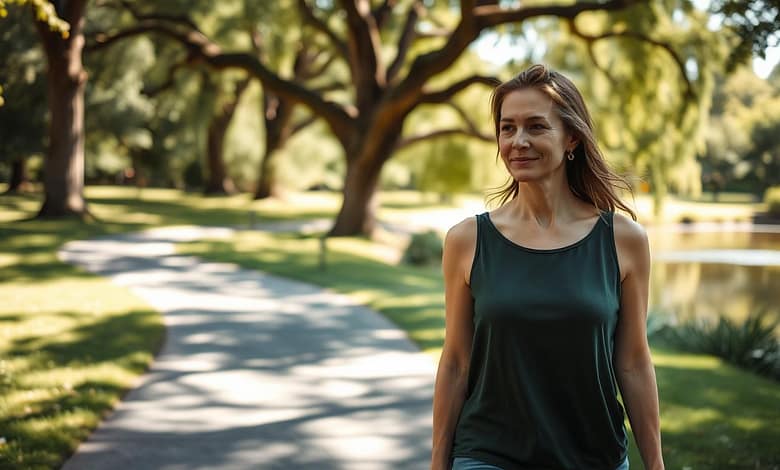
Imagine taking a leisurely stroll through a serene park on a crisp morning. The gentle rustle of leaves and the warmth of the sun on your skin create a sense of tranquility, inviting you to slow down and appreciate the beauty around you.

Embracing a slower pace can be incredibly beneficial. It allows us to reconnect with our surroundings and ourselves. By adopting a slow-paced walking habit, we can improve our mental clarity and overall well-being.
Key Takeaways
- Slow-paced walking can improve mental clarity.
- A leisurely stroll can reduce stress and anxiety.
- Embracing a slower pace can enhance overall well-being.
- It allows for a deeper connection with nature and oneself.
- Slow walking can be a meditative experience.
The Lost Art of Slow Walking
As our lives accelerate, the simple act of walking slowly has become a lost art. In an era dominated by fast-paced technology and instant gratification, it’s easy to forget the joys of a leisurely stroll.
Our Fast-Paced Society
Modern society often equates speed with productivity and efficiency. This mindset has seeped into our daily activities, including how we walk. The pressure to constantly be on the move and achieve more in less time has led to a decline in relaxed pace walking.
The Value of Slowing Down
Slowing down our pace can have numerous benefits. It allows us to appreciate our surroundings, engage in meaningful conversations, and enjoy the moment without the burden of haste. Walking for pleasure, rather than just as a means to an end, can be a therapeutic experience.
Historical Perspectives on Walking Pace
Historically, walking was a primary mode of transportation, and people naturally walked at a relaxed pace. The concept of walking for pleasure emerged during the 18th and 19th centuries in Europe, where it was considered a leisure activity among the upper classes.
| Era | Primary Mode of Transportation | Walking Pace |
|---|---|---|
| Pre-Industrial | Walking, Horseback Riding | Relaxed |
| Industrial | Trains, Trams | Brisk |
| Modern | Cars, High-Speed Trains | Fast, Rushed |
Embracing a slower pace can be a counter-cultural act, one that challenges the status quo and promotes a healthier, more mindful way of living. By choosing to walk slowly, we can rediscover the joy in movement and the beauty in our surroundings.
She Loved to Walk Slowly: A Mindful Approach to Movement
Walking leisurely is an invitation to reconnect with our surroundings and ourselves. It’s a practice that encourages us to slow down and appreciate the world around us.
The Philosophy Behind Slow Walking
The philosophy behind slow walking is rooted in mindfulness. It’s about being present in the moment and letting go of distractions. As Thich Nhat Hanh once said, “People usually consider walking on water or in thin air a miracle. But I think the real miracle is not to walk either on water or in thin air, but to walk on earth. Every day we are engaged in a miracle which we don’t even recognize: a blue sky, white clouds, green leaves, the black, curious eyes of a child—our own two eyes. All is a miracle.”
“The journey of a thousand miles begins with a single step.” – Lao Tzu
Mindfulness in Motion
Mindfulness in motion is about being fully engaged in the act of walking. It involves paying attention to our surroundings, the sensation of our feet touching the ground, and the rhythm of our breath.
Awareness of Surroundings
As we walk, we become more aware of our surroundings. We notice the sights, sounds, and smells around us. This heightened awareness can be incredibly grounding.
Connection to the Present Moment
Slow walking helps us connect to the present moment. By focusing on our steps and surroundings, we let go of worries about the past or future.
| Benefits of Slow Walking | Description |
|---|---|
| Increased Mindfulness | Being fully present in the moment |
| Awareness of Surroundings | Noticing sights, sounds, and smells |
| Connection to the Present | Letting go of past and future worries |

By embracing slow walking, we can cultivate a deeper connection to ourselves and the world around us. It’s a simple yet profound practice that can bring joy and mindfulness into our daily lives.
The Physical Benefits of Leisurely Strolls
Leisurely strolls are more than just a pleasant activity; they offer significant physical advantages. Walking at a slow pace can have a profound impact on our overall health, making it an ideal activity for individuals of all ages and abilities.
Improved Posture and Balance
One of the key physical benefits of walking slowly is the improvement in posture and balance. When we walk at a leisurely pace, we are more likely to maintain a upright posture, which can reduce the strain on our back and improve our overall balance. This, in turn, can reduce the risk of falls and related injuries.
Joint Health and Reduced Impact
Walking slowly can also be beneficial for our joints. A slower pace reduces the impact on our joints compared to walking at a brisk pace, making it an ideal exercise for individuals with joint issues or those recovering from injuries. This reduced impact can help alleviate pain and improve joint health over time.

Sustainable Exercise for All Ages and Abilities
Leisurely walking is a sustainable form of exercise that can be enjoyed by people of all ages and abilities. It’s an activity that can be adapted to suit individual needs, whether that’s walking on flat ground or incorporating inclines. This makes it an excellent option for those who may struggle with more strenuous forms of exercise.
Walking Slowly for Rehabilitation
For individuals undergoing rehabilitation, walking slowly can be a valuable part of the recovery process. It allows for gentle mobilization of the joints and muscles without putting excessive strain on the body. Many rehabilitation programs incorporate slow walking as a key component due to its low-impact nature and the benefits it offers for regaining strength and mobility.
| Physical Benefits | Description | Impact |
|---|---|---|
| Improved Posture | Maintaining an upright posture during slow walks | Reduces back strain and improves balance |
| Joint Health | Reduced impact on joints during leisurely strolls | Alleviates pain and improves joint health |
| Sustainable Exercise | Adaptable to individual needs and abilities | Encourages long-term adherence to exercise |
Mental Health Advantages of Walking at a Relaxed Pace
Research has highlighted the significant mental health advantages of walking at a slow pace, from reduced stress levels to improved mood. Walking at a relaxed pace allows individuals to disconnect from the pressures of daily life and reconnect with their surroundings.
Stress Reduction and Cortisol Management
One of the primary mental health benefits of walking at a slow pace is its ability to reduce stress and manage cortisol levels. By promoting a state of relaxation, slow walking can help mitigate the negative impacts of chronic stress on both body and mind.
Clarity of Thought and Problem Solving
A leisurely walk in the park or a quiet neighborhood can also enhance clarity of thought and improve problem-solving skills. The gentle exercise and fresh air can stimulate the mind, helping individuals approach challenges with a clearer perspective.
Mood Enhancement and Depression Management
Furthermore, relaxed pace walking has been shown to have a positive impact on mood and can be a valuable tool in managing depression. The release of endorphins during walking can help alleviate symptoms of depression, promoting a more positive outlook.
The Meditative Aspects of Slow Walking
The meditative aspects of slow walking should not be overlooked. By focusing on the act of walking, individuals can cultivate a mindfulness that is similar to meditation, further enhancing the mental health benefits.
| Mental Health Benefit | Description |
|---|---|
| Stress Reduction | Slow walking reduces cortisol levels and promotes relaxation. |
| Improved Clarity | Enhances problem-solving skills and mental clarity. |
| Mood Enhancement | Releases endorphins, helping to manage depression. |
Incorporating walking at a slow pace into one’s routine can have a profound impact on mental health. By embracing this simple yet powerful activity, individuals can take a significant step towards a healthier, more balanced life.
The Science Behind Slow-Paced Walking
The science behind slow-paced walking reveals a multitude of benefits, from physical health improvements to enhanced mental clarity. Research has shown that adopting a leisurely walking pace can have a significant impact on overall health.
Heart Rate and Blood Pressure Benefits
Studies have indicated that regular slow-paced walking can lead to improvements in heart rate and blood pressure. A slower walking pace allows for a more consistent and sustainable cardiovascular workout, contributing to better heart health over time.
Metabolic Advantages
Slow-paced walking also offers metabolic benefits. By incorporating this form of exercise into one’s routine, individuals can improve their metabolic health, potentially reducing the risk of developing metabolic syndrome and type 2 diabetes.
Brain Activity During Slow Walking
Furthermore, slow-paced walking has been linked to increased brain activity, particularly in areas related to memory and cognition. This form of walking can be seen as a form of mindfulness exercise, promoting mental well-being.
Research on Walking Speed and Health Outcomes
Numerous studies have investigated the relationship between walking speed and health outcomes. A key finding is that slower walking speeds are often associated with different health outcomes compared to faster paces, highlighting the importance of pace in walking research.
| Health Benefit | Description |
|---|---|
| Heart Rate Improvement | Regular slow-paced walking can lead to a more consistent heart rate. |
| Metabolic Health | Improves metabolic health, reducing the risk of metabolic syndrome. |
| Brain Activity | Increases brain activity related to memory and cognition. |
As research continues to uncover the benefits of slow-paced walking, it becomes increasingly clear that this simple activity can be a powerful tool for improving health and well-being.
Cultural Perspectives on Strolling with Pleasure
From European evening strolls to Japanese forest bathing, cultures embrace slow walking in various delightful forms. The art of strolling is not just a physical activity but a way to connect with others and nature. In this section, we’ll explore how different cultures enjoy leisurely strolls.
European Traditions of the Evening Passeggiata
In many European towns, the evening passeggiata is a cherished tradition. People stroll through the streets, enjoying the fresh air, socializing, and taking in the local sights. This leisurely walk is not just about exercise; it’s a social event that brings the community together.

Japanese Forest Bathing (Shinrin-Yoku)
Japan’s Shinrin-Yoku, or forest bathing, is a practice that involves immersing oneself in the forest atmosphere. This mindful walking practice has been shown to have numerous health benefits, including reduced stress levels and improved mood. It’s a perfect example of how strolling can be a therapeutic experience.
American Slow Walking Movements
In the United States, the slow walking movement is gaining popularity as people seek to escape the fast pace of modern life. Slow walking encourages individuals to appreciate their surroundings, whether in urban or natural environments. It’s about enjoying the journey rather than the destination.
The Flâneur: The Art of Urban Wandering
The concept of the flâneur, or urban wanderer, originated in 19th-century Paris. It involves strolling through cities, observing life, and appreciating the urban landscape. This practice encourages a deeper connection with one’s surroundings and fosters a sense of curiosity and wonder.
These cultural practices highlight the universal appeal of strolling with pleasure. Whether in Europe, Japan, or America, the joy of leisurely strolls is a common thread that brings people together.
How to Enjoy Walking Leisurely in Urban Environments
Discovering the joy of slow walking in urban settings is easier than you think. Urban environments, despite their hustle and bustle, offer numerous opportunities to enjoy a leisurely walk.
Finding Green Spaces in Cities
One of the key elements to enjoying a leisurely walk in urban environments is finding green spaces. Cities often have parks and gardens that provide a serene escape from the urban hustle.
Tips for Finding Green Spaces:
- Use online maps or city guides to locate nearby parks.
- Explore neighborhood green spaces during your walks.
- Join local walking groups to discover hidden gems.

Urban Walking Routes for Maximum Enjoyment
Creating your own urban walking route can enhance your walking experience. Look for routes with interesting architecture, street art, or historical landmarks.
Considerations for Urban Walking Routes:
- Choose routes with minimal traffic disturbance.
- Opt for routes with good lighting for early morning or evening walks.
- Incorporate stops at local cafes or shops to break up your walk.
Dealing with Busy Sidewalks and Impatient Pedestrians
Navigating busy sidewalks requires a bit of strategy. Staying calm and being aware of your surroundings can help you enjoy your walk despite the crowds.
Creating Your Own Leisurely Walk in the Park Experience
Even in urban settings, you can create a leisurely walk in the park experience. Find a local park or a quiet street and take your time to observe your surroundings.
| Tips | Benefits |
|---|---|
| Take your time | Reduces stress |
| Observe nature | Increases mindfulness |
| Walk with a friend | Enhances social connection |
By incorporating these tips into your urban walking routine, you can enjoy a more leisurely and fulfilling experience.
The Social Aspects of Leisurely Walking
The joy of strolling with pleasure is not just about the walk itself, but about the company we keep. Leisurely walks provide an opportunity to engage with others in a meaningful way, fostering deeper connections and a sense of community.
Walking Slowly with Friends and Family
When we walk slowly with loved ones, we create space for conversations that matter. The relaxed pace allows for a more natural flow of discussion, enabling us to catch up and share experiences without the rush that often accompanies faster-paced activities.
Walking Groups and Communities
Joining a walking group or community can be a great way to meet new people who share similar interests. These groups often organize regular leisurely strolls in local parks or neighborhoods, providing a relaxed environment for socializing.
Conversations That Flourish at a Slower Pace
Walking at a slow pace encourages more meaningful interactions. The absence of rush allows for a more contemplative atmosphere, where conversations can unfold naturally.
Building Relationships Through Shared Strolls
Shared experiences, like walking together, can strengthen bonds between individuals. By engaging in strolling with pleasure, we not only improve our physical health but also nurture our relationships.
Seasonal Approaches to Slow Pace Enjoyment
From the blooming flowers of spring to the snowy landscapes of winter, every season offers a distinct experience for slow walkers. Embracing the changing seasons can enhance the joy of leisurely walking.
Spring: Awakening and Renewal
Spring is a time of renewal, making it an ideal season to adopt a slow pace. The mild weather and blooming flora invite walkers to enjoy the outdoors. Take in the sweet fragrance of blooming flowers and listen to the songs of returning birds.
Summer: Shade-Seeking and Early Morning Walks
During the hot summer months, slow walkers can enjoy the shade of trees or take early morning strolls to avoid the heat. Early morning walks can be particularly refreshing, offering a peaceful start to the day.
Fall: Leaf-Crunching and Harvest Views
Autumn brings a picturesque landscape with changing foliage. The crunch of leaves underfoot and the vibrant colors of the leaves create a sensory experience that enhances the slow walking experience.
Winter: Mindful Snow Walking and Indoor Alternatives
Winter offers a serene landscape, ideal for mindful snow walking. For those who prefer indoor activities, alternatives such as walking on a treadmill or in a mall can be enjoyable.
| Season | Activities | Benefits |
|---|---|---|
| Spring | Blooming flower viewing, bird watching | Renewal, stress reduction |
| Summer | Shade-seeking, early morning walks | Heat avoidance, peaceful mornings |
| Fall | Leaf-crunching, harvest viewing | Sensory experience, vibrant colors |
| Winter | Mindful snow walking, indoor walking | Serene landscapes, alternative exercise |
By embracing the unique characteristics of each season, individuals can enrich their slow walking experience and enjoy the benefits of leisurely walking year-round.
Technology and Slow Walking: Finding Balance
In an era dominated by digital devices, embracing slow walking requires a thoughtful approach to technology use. While it might seem counterintuitive to combine technology with a practice that encourages mindfulness and being present, the right balance can enhance the slow walking experience.
Apps That Encourage Mindful Walking
Several apps are designed to promote mindful walking by providing guided meditations, tracking progress, and offering insights into walking habits. These tools can help individuals stay focused and enjoy their walks more fully.
- Mindful Walking Apps: Apps like “Walkmeter” and “Pacer” offer features that support leisurely strolls, including route tracking and personalized coaching.
- Guided Meditations: Some apps provide guided meditations specifically designed for walking, helping users stay present and mindful.
Digital Detox While Walking
Despite the benefits of technology, there is value in disconnecting from digital devices during walks. A digital detox can enhance the sense of calm and allow walkers to fully engage with their surroundings.
By leaving phones on silent or using a phone-locking pouch, individuals can minimize distractions and enjoy a more peaceful experience.
Photography and Slow Walking
For many, photography is a natural complement to slow walking. Capturing images of nature and the environment can encourage a deeper appreciation of the surroundings.
Using Technology to Enhance Rather Than Distract
The key to successfully integrating technology into slow walking is to use it in a way that enhances rather than distracts from the experience. By being mindful of how and when technology is used, walkers can enjoy the benefits of both worlds.
| Technology Use | Benefits | Potential Drawbacks |
|---|---|---|
| Mindful Walking Apps | Guided meditations, progress tracking | Potential distraction if overused |
| Digital Detox | Enhanced calm, reduced distraction | Missing out on potential photo opportunities |
| Photography | Appreciation of surroundings, creative expression | Potential to rush or miss moments while focusing on photography |
By embracing a balanced approach to technology and slow walking, individuals can create a more enjoyable and fulfilling experience. Whether through the use of mindful walking apps, digital detox, or photography, the goal is to enhance the walk, not detract from it.
Conclusion: Embracing Your Own Pace in a Rushed World
As we’ve explored, adopting a relaxed pace walking style can have a significant impact on both physical and mental well-being. By incorporating slow-paced walking into daily routines, individuals can experience reduced stress, improved posture, and a greater sense of connection to their surroundings.
Embracing the joy of strolling at a leisurely pace allows people to reconnect with their environment and the people around them. Whether it’s a quiet morning walk or an evening stroll, slow-paced walking offers a chance to unwind and recharge.
In a world that often prioritizes speed and efficiency, choosing to walk slowly is a powerful statement. It’s an opportunity to challenge the status quo and cultivate a more mindful approach to movement. By doing so, individuals can create a more balanced, healthier lifestyle that values the journey as much as the destination.
FAQ
What are the benefits of walking slowly?
Walking slowly can improve your posture and balance, reduce the impact on your joints, and provide a sustainable form of exercise for people of all ages and abilities. It also allows for a more mindful and enjoyable experience, promoting a connection to your surroundings and the present moment.
How can I incorporate slow walking into my daily routine?
You can start by scheduling a leisurely walk into your daily planner, whether it’s a walk in the park, a stroll around your neighborhood, or a slow-paced walk during your lunch break. You can also try incorporating mindfulness practices, such as focusing on your breath or the sensations in your feet, to enhance your slow walking experience.
Can slow walking be beneficial for mental health?
Yes, slow walking can have numerous mental health benefits, including reducing stress and cortisol levels, improving clarity of thought and problem-solving, and enhancing your mood. The meditative aspects of slow walking can also help alleviate symptoms of depression and anxiety.
Are there any cultural practices that celebrate slow walking?
Yes, there are several cultural practices that celebrate slow and enjoyable walking, such as the European tradition of the evening passegiata, Japanese forest bathing (Shinrin-Yoku), and American slow walking movements. These practices promote a mindful and leisurely approach to walking, often incorporating elements of nature and community.
How can I enjoy walking slowly in urban environments?
To enjoy walking slowly in urban environments, you can seek out green spaces, such as parks or gardens, and plan your route to maximize your exposure to nature and minimize distractions. You can also try to be more mindful of your surroundings, noticing the sights, sounds, and smells around you, and engage with your community by joining a walking group or striking up conversations with fellow pedestrians.
Can technology enhance my slow walking experience?
Yes, certain apps and technologies can enhance your slow walking experience by promoting mindfulness, tracking your progress, and providing guidance on relaxation techniques. However, it’s also important to consider the benefits of digital detox during your walks, allowing you to fully disconnect from distractions and focus on your surroundings.
How can I make slow walking a social activity?
You can make slow walking a social activity by inviting friends or family to join you on your walks, joining a walking group or club, or participating in community events that promote slow and enjoyable walking. This can help you build relationships, foster a sense of community, and enhance your overall walking experience.
Are there any seasonal tips for slow walking?
Yes, you can adapt your slow walking routine to the changing seasons by incorporating activities such as leaf-crunching in the fall, shade-seeking in the summer, or mindful snow walking in the winter. You can also try indoor alternatives, such as walking on a treadmill or mall walking, during inclement weather.