Viral Trends: The Nano Banana Craze Taking Over Social Media
The digital landscape has witnessed countless viral phenomena, but few have captured the imagination quite like Nano Banana – a playful nickname that has become synonymous with one of the most significant AI breakthroughs in image generation and editing. This unprecedented craze has swept across social media platforms, transforming how millions create, edit, and share visual content online.https://www.mindviewmagazine.com/
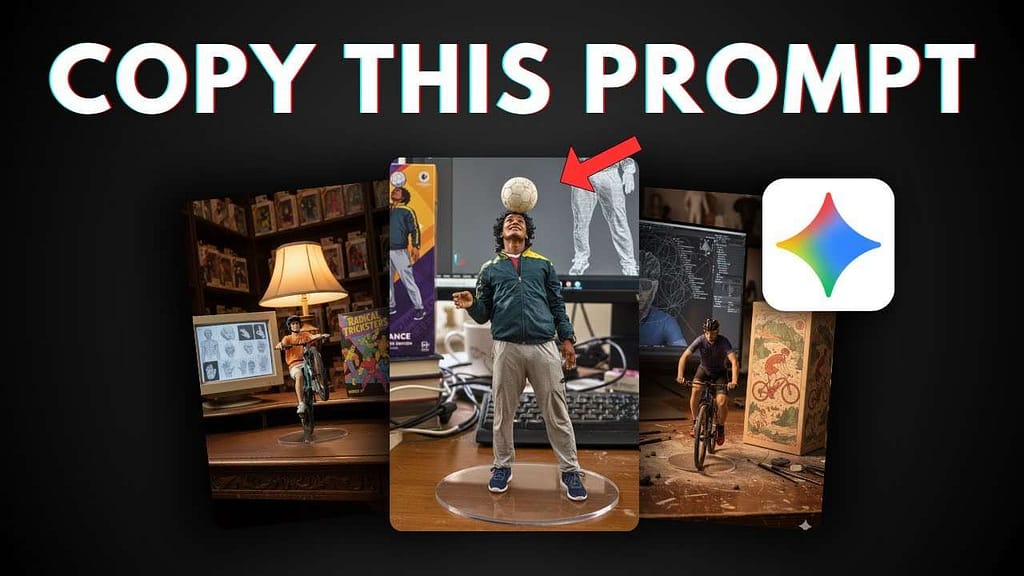
A visual guide showing 3D figurine characters created using AI technology with the prompt to copy for viral content creation
The Birth of a Digital Revolution
Nano Banana isn’t just a quirky name; it represents Google’s groundbreaking Gemini 2.5 Flash Image model, officially launched on August 25, 2025. What started as an internal codename quickly evolved into a global phenomenon when the model appeared anonymously on LMArena, a crowdsourced AI evaluation platform, where it rapidly climbed to the top of image editing leaderboards.
The mysterious emergence of this AI tool created unprecedented buzz in the tech community. Users discovered a pattern in the generated results – all the best images bore banana icons, leading to the viral adoption of the “Nano Banana” moniker. Google’s silence during the initial weeks only fueled speculation and excitement, with internet sleuths connecting the dots through cryptic social media posts featuring banana emojis from Google executives.
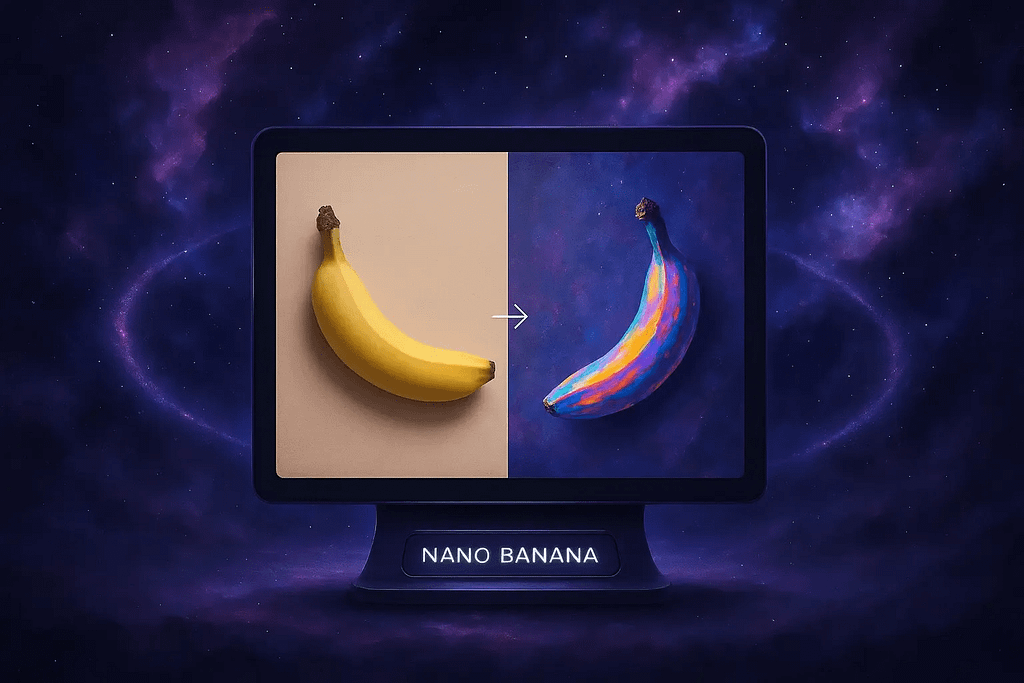
The nano banana concept illustrated by a split-screen showing a real banana transformed into a colorful artistic version using AI
Understanding the Technology Behind the Hype
Google’s Gemini 2.5 Flash Image represents a fundamental shift in AI image generation and editing capabilities. Unlike traditional tools that often struggle with character consistency and realistic edits, Nano Banana excels in several key areas that have made it indispensable for content creators worldwide.
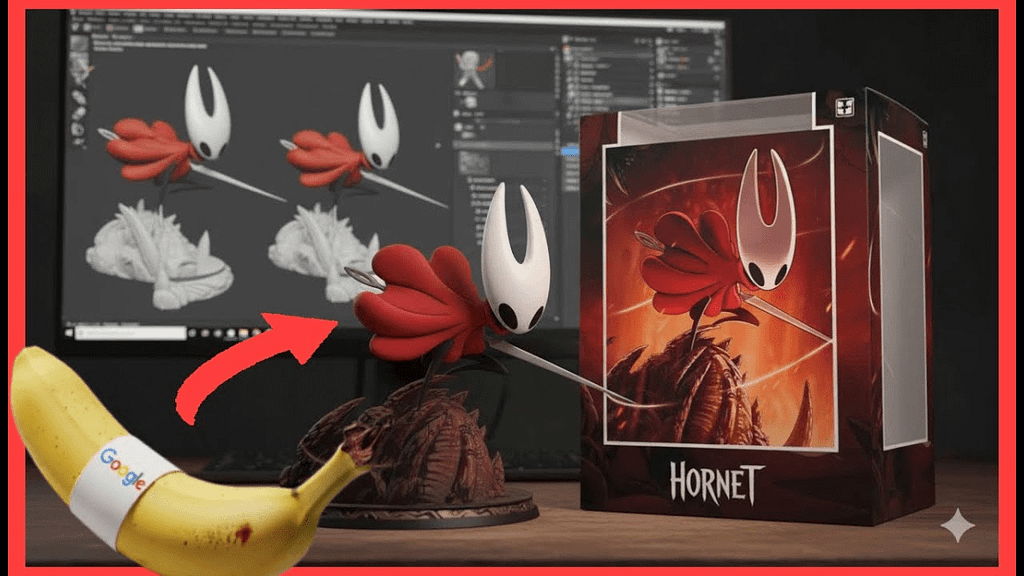
A 3D printed figure of Hornet from Hollow Knight created via Google’s Nano Banana technology, showcasing digital art turned into a real figure
Character Consistency: The Game Changer
One of Nano Banana’s most revolutionary features is its ability to maintain character consistency across multiple edits and transformations. This breakthrough solves one of the most persistent challenges in AI image generation – ensuring that people, pets, or objects remain recognizably the same throughout various modifications.
Users can transform themselves into different professions, historical figures, or fictional characters while preserving their fundamental likeness. This consistency has enabled creators to develop episodic content, brand mascots, and storytelling series that would have been impossible with previous AI tools.
Multi-Turn Editing Revolution
The model supports conversational editing, allowing users to make iterative changes through natural language prompts. This multi-turn capability means creators can start with a basic image and progressively add elements, modify backgrounds, or adjust details through simple text instructions.
For instance, users can begin with a photo of an empty room, then sequentially add furniture, change lighting, and modify colors – all while maintaining visual coherence throughout the process. This approach has democratized professional-level image editing, making it accessible to anyone regardless of technical expertise.
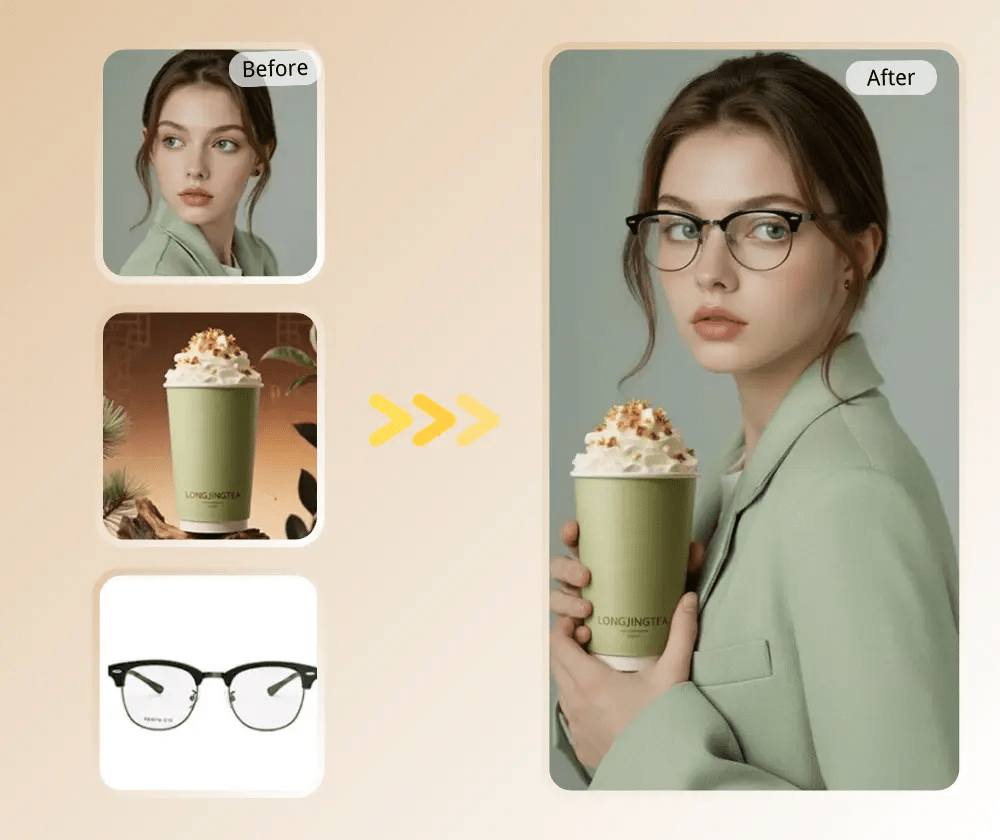
Before and after AI image editing with Nano Banana, combining multiple elements into a single cohesive photo
The Viral 3D Figurine Phenomenon
Perhaps the most visible manifestation of the Nano Banana craze has been the 3D figurine trend that has dominated social media feeds across platforms. Users discovered they could transform personal photos into incredibly detailed collectible-style figurines complete with professional packaging and display setups.
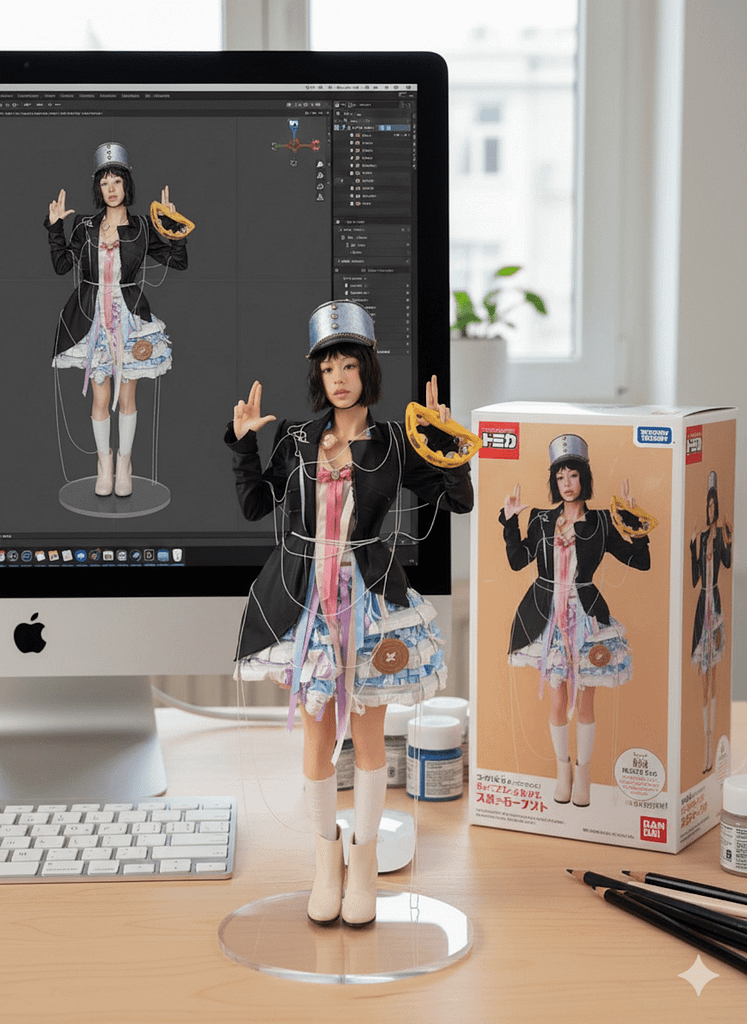
A detailed 3D modeled and customized action figure standing on a desk with its digital design shown on a computer screen behind and its packaging box beside it
Celebrity and Political Adoption
The trend gained massive momentum when high-profile figures began participating. Assam Chief Minister Himanta Biswa Sarma publicly embraced the trend, posting his own 3D figurine with the caption “My young friends suggested me to go with the trend… so here it is”. Bollywood celebrities, sports figures, and politicians worldwide followed suit, creating their own digital collectibles.
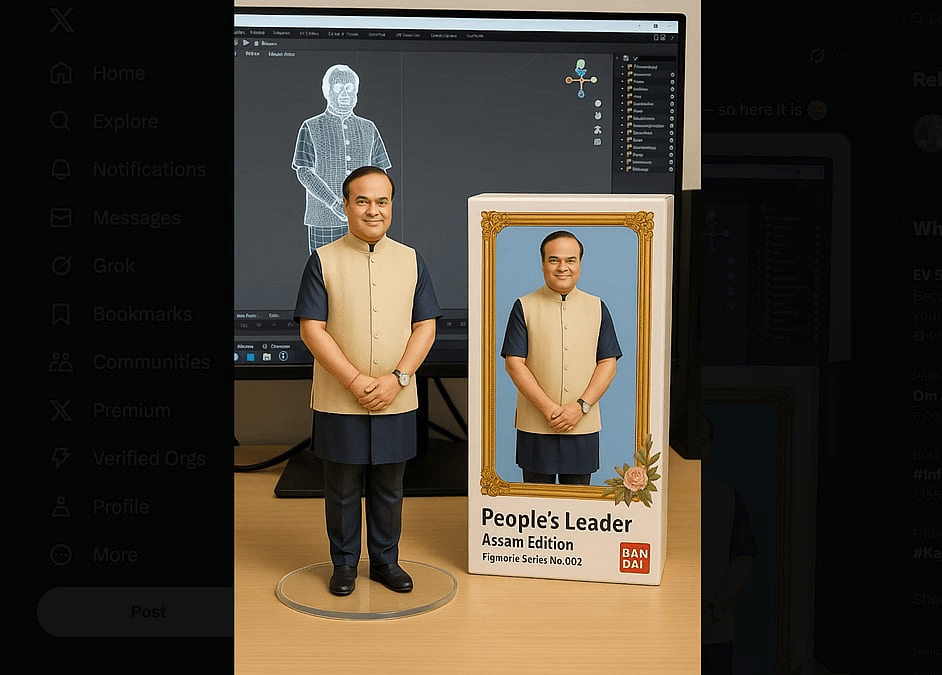
A detailed ‘People’s Leader Assam Edition’ collectible figurine with its packaging and digital 3D wireframe model on a screen behind
The authenticity and detail of these figurines astounded users. The AI could capture intricate elements like facial expressions, clothing patterns, accessories, and even complex backgrounds, resulting in images that rival professional toy photography.
The Perfect Prompt Formula
Content creators quickly discovered and shared optimal prompts for generating these viral figurines. The most popular formula involves creating “a 1/7 scale commercialized figurine of the characters in the picture, in a realistic style, in a real environment” with specific details about acrylic bases, computer screens showing 3D modeling processes, and toy packaging boxes designed in premium collectible styles.
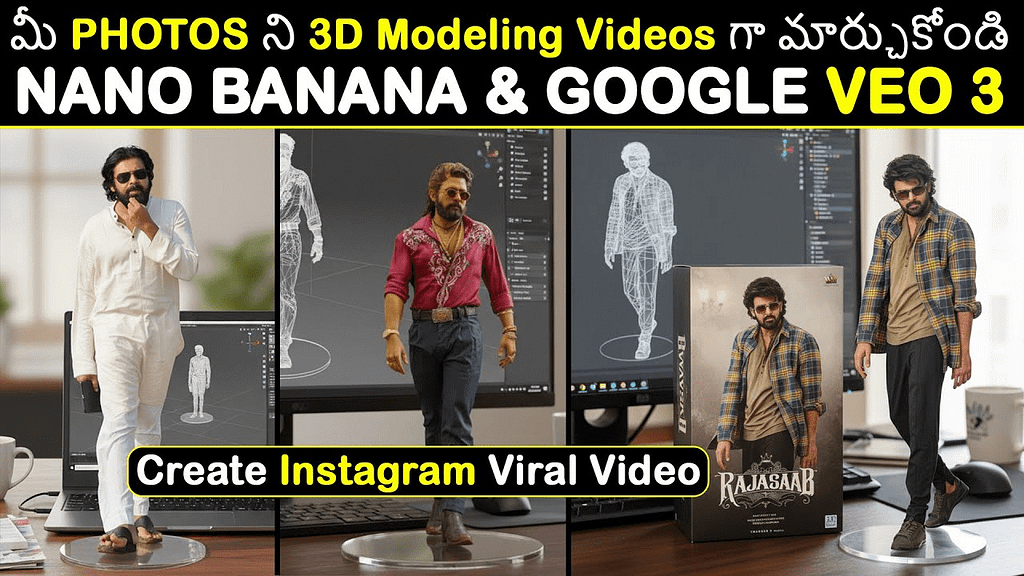
Creating 3D figurine videos from photos using Nano Banana and Google Veo 3 to make viral Instagram content
Unprecedented Growth and User Adoption
The numbers behind Nano Banana’s success tell a remarkable story of viral adoption. Within just one week of its official launch, the tool attracted over 10 million new users to the Gemini app – a growth rate that even Google executives described as exceptional.
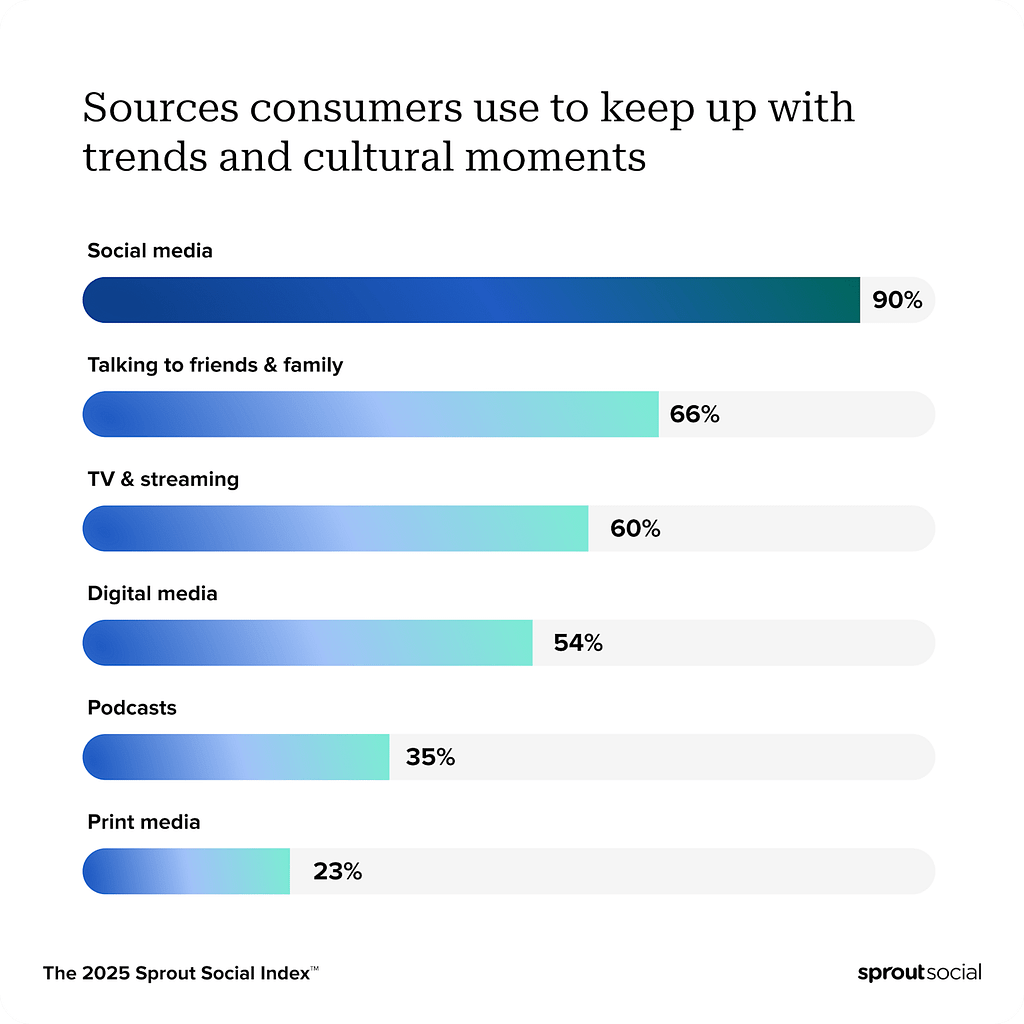
Social media is the leading source consumers use to keep up with trends and cultural moments, significantly outpacing other mediums according to the 2025 Sprout Social Index
Breaking Records
Google’s Vice President Josh Woodward revealed that Nano Banana has facilitated over 200 million image edits since its launch. This massive usage volume caused significant strain on Google’s infrastructure, with Woodward humorously noting “TPUs red hot. SRE pagers howling” in reference to the overwhelming demand.
The tool’s impact extended beyond user numbers. Nano Banana propelled Google’s Gemini to compete directly with ChatGPT in Google Trends data for the first time, marking a significant milestone in the AI chatbot competition.
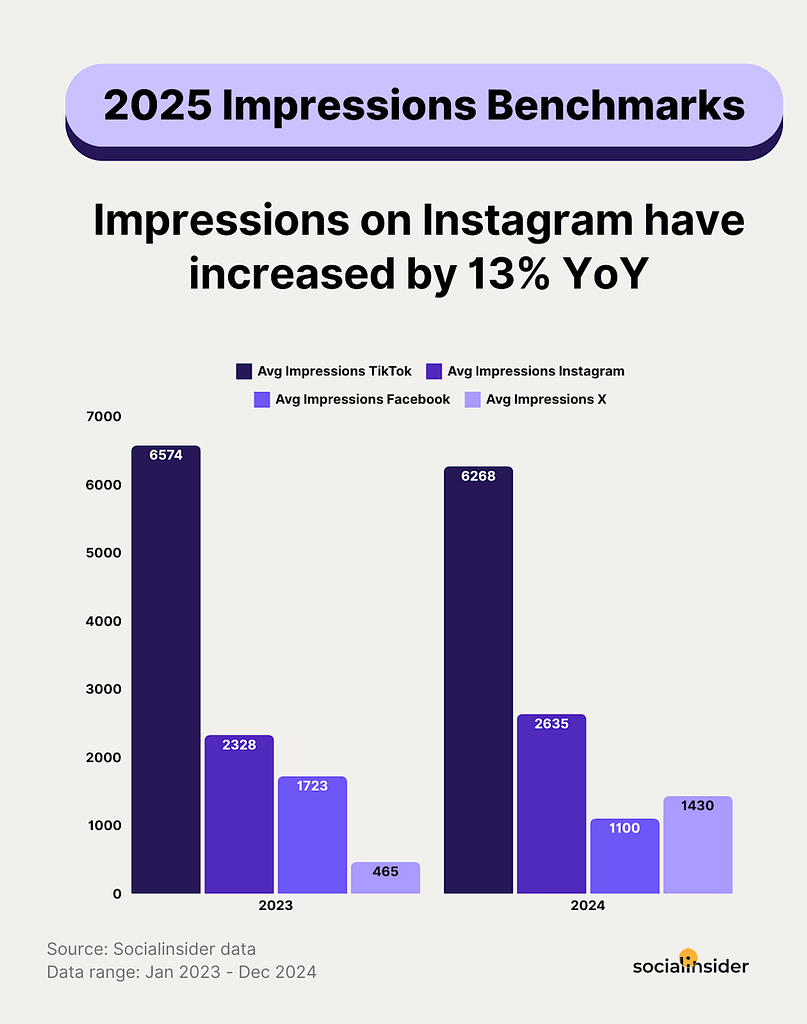
Bar chart showing 2023-2024 average social media impressions for TikTok, Instagram, Facebook, and X, highlighting a 13% year-over-year increase in Instagram impressions
Platform Domination
The viral success translated into measurable app store performance. Google Gemini climbed to #2 in the Productivity category of the App Store and reached #13 in the main top free chart on the Play Store. This commercial success demonstrated that viral AI features could drive real business results, not just social media engagement.
Global Cultural Impact
The Nano Banana phenomenon transcended technological boundaries to become a genuine cultural moment. Social media platforms witnessed unprecedented creativity as users explored the tool’s capabilities across diverse use cases.
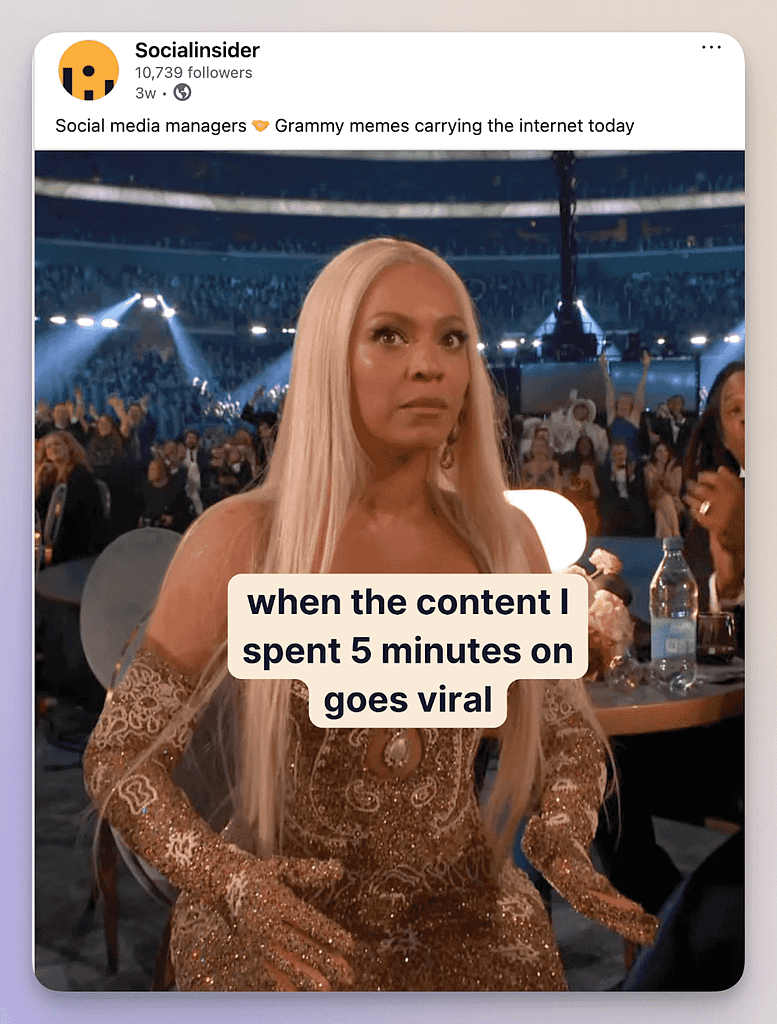
Social media meme illustrating the surprise when quickly created content goes viral at major events
Creative Applications Across Industries
Content creators discovered they could maintain visual consistency across video series, creating branded characters and storytelling elements that would have required expensive production teams. Marketers found new ways to generate campaign assets, product mockups, and social media content at scale.
E-commerce businesses began using the tool for product photography, creating multiple environment variations from single product shots. The ability to maintain product consistency while changing backgrounds, lighting, and contexts revolutionized how online retailers approach visual marketing.

A person filming social media video content on a smartphone featuring augmented reality emojis and interactive app elements
Educational and Professional Adoption
Beyond entertainment, Nano Banana found applications in education, where teachers used the tool to create interactive visual content and learning materials. Professional designers incorporated it into their workflows for rapid prototyping and client presentations.
The tool’s integration with Google’s ecosystem through AI Studio, the Gemini API, and Vertex AI made it accessible to developers and enterprises, further expanding its reach beyond consumer applications.
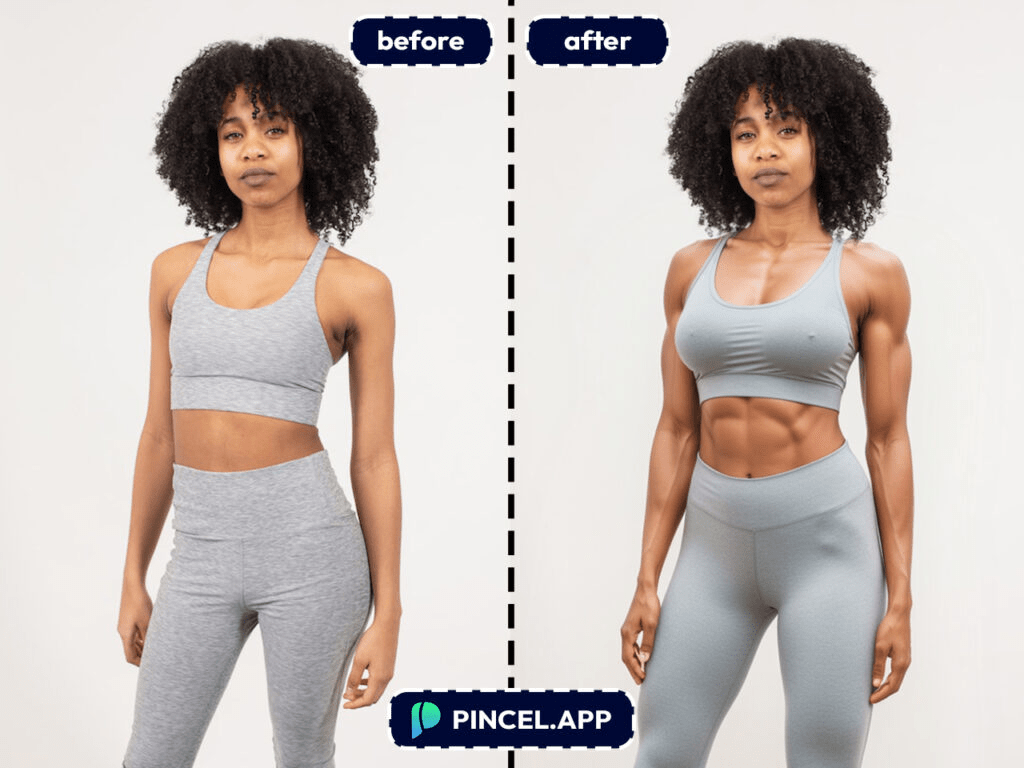
Before and after comparison of AI-enhanced body transformation showing increased muscle definition and tone
Technical Innovation and Industry Recognition
Nano Banana’s success stems from several technical breakthroughs that addressed longstanding challenges in AI image generation. The model’s performance on industry benchmarks solidified its position as a state-of-the-art solution.
Speed and Quality Balance
One of the most impressive aspects of Nano Banana is its speed. The model generates high-quality, realistic images in under 10 seconds, significantly faster than competitors like ChatGPT’s image model, which can take up to a minute. This speed advantage, combined with exceptional quality, created the optimal user experience that drove viral adoption.
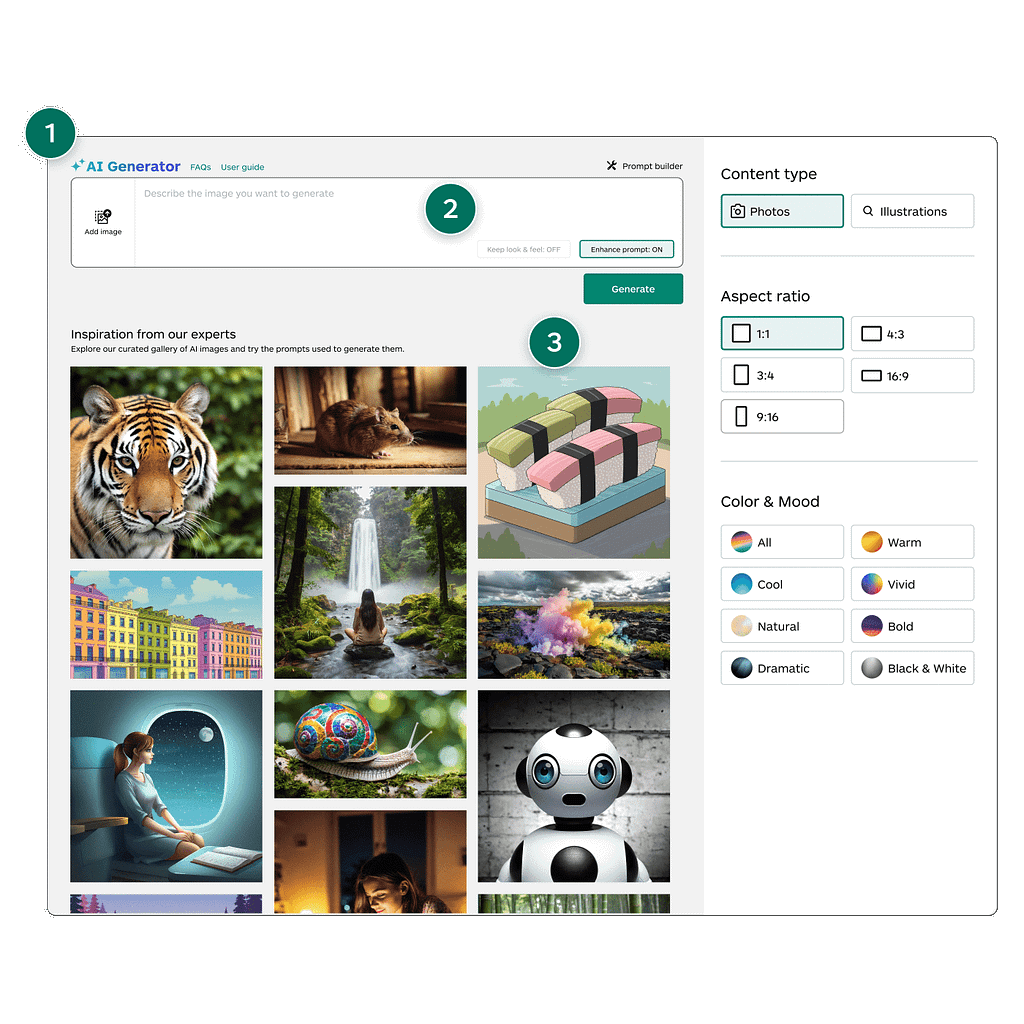
AI Generator tool interface showcasing image prompt input, example AI-generated images, and filters for type, aspect ratio, and mood
Natural Language Processing Excellence
The tool’s sophisticated understanding of natural language prompts allows users to describe complex edits in conversational terms. This accessibility has been crucial to its mass adoption, as users don’t need to learn technical terminology or specific formatting requirements.
Multi-Image Fusion Capabilities
Nano Banana’s ability to seamlessly blend multiple images into coherent scenes has opened new creative possibilities. Users can combine disparate elements – people, objects, and backgrounds – into realistic compositions that appear naturally photographed rather than artificially assembled.
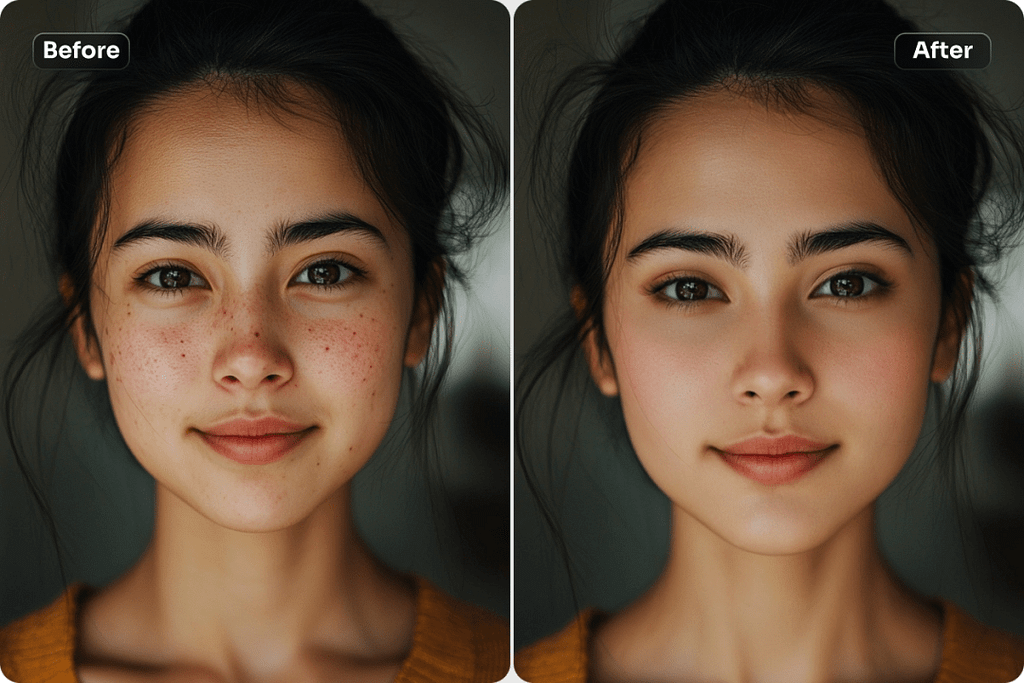
Side-by-side before and after comparison demonstrating AI photo retouching effects on a portrait image
Social Media Platform Integration and Accessibility
The democratization of advanced image editing through Nano Banana has fundamentally changed social media content creation. The tool’s integration across multiple access points – the Gemini app, Google AI Studio, and even direct interaction through X (formerly Twitter) – ensures broad accessibility.
Instagram introduces a feature allowing users to add theme songs to their profiles for personalized engagement
Free Access Model
Google’s decision to offer Nano Banana with generous free tiers (100 edits per day for free users, 1,000 for paid subscribers) eliminated barriers to entry that often limit AI tool adoption. This accessibility strategy proved crucial in achieving viral scale.
Cross-Platform Viral Spread
The visual nature of Nano Banana’s output made it perfectly suited for social media sharing. Instagram, TikTok, and X became flooded with examples of the tool’s capabilities, creating a virtuous cycle of discovery and adoption. The Philippines led global usage with 25.5 million images generated, demonstrating the tool’s international appeal.
Content Creator Economy Impact
Nano Banana has significantly impacted the content creator economy, providing tools that previously required expensive software or professional skills. YouTube creators, Instagram influencers, and TikTok stars quickly integrated the technology into their content production workflows.

Person holding a tablet displaying a grid of lifestyle and aesthetic images for content creation
Democratizing Professional Content Creation
The tool has leveled the playing field between amateur creators and professional studios. Individual creators can now produce visually sophisticated content that rivals professionally produced material, leading to increased competition and innovation in the creator economy.
New Content Formats and Trends
Nano Banana enabled entirely new content formats, from transformation videos showing before-and-after edits to educational content demonstrating creative possibilities. The tool spawned numerous tutorial channels and how-to guides, creating secondary content ecosystems around its usage.
Industry Response and Competitive Landscape
The success of Nano Banana has prompted responses from across the tech industry. Competitors have scrambled to develop similar capabilities, while partnerships have emerged to integrate the technology into existing platforms.
Adobe Partnership
Adobe’s quick integration of Gemini 2.5 Flash Image into Firefly and Adobe Express demonstrates the industry’s recognition of the technology’s significance. This partnership allows professional designers to incorporate Nano Banana’s capabilities into established creative workflows.
Platform Integrations
OpenRouter.ai and fal.ai partnerships have made Nano Banana available to millions of developers, expanding its reach beyond Google’s direct platforms. These integrations suggest that the technology will become a foundational component of future AI-powered applications.
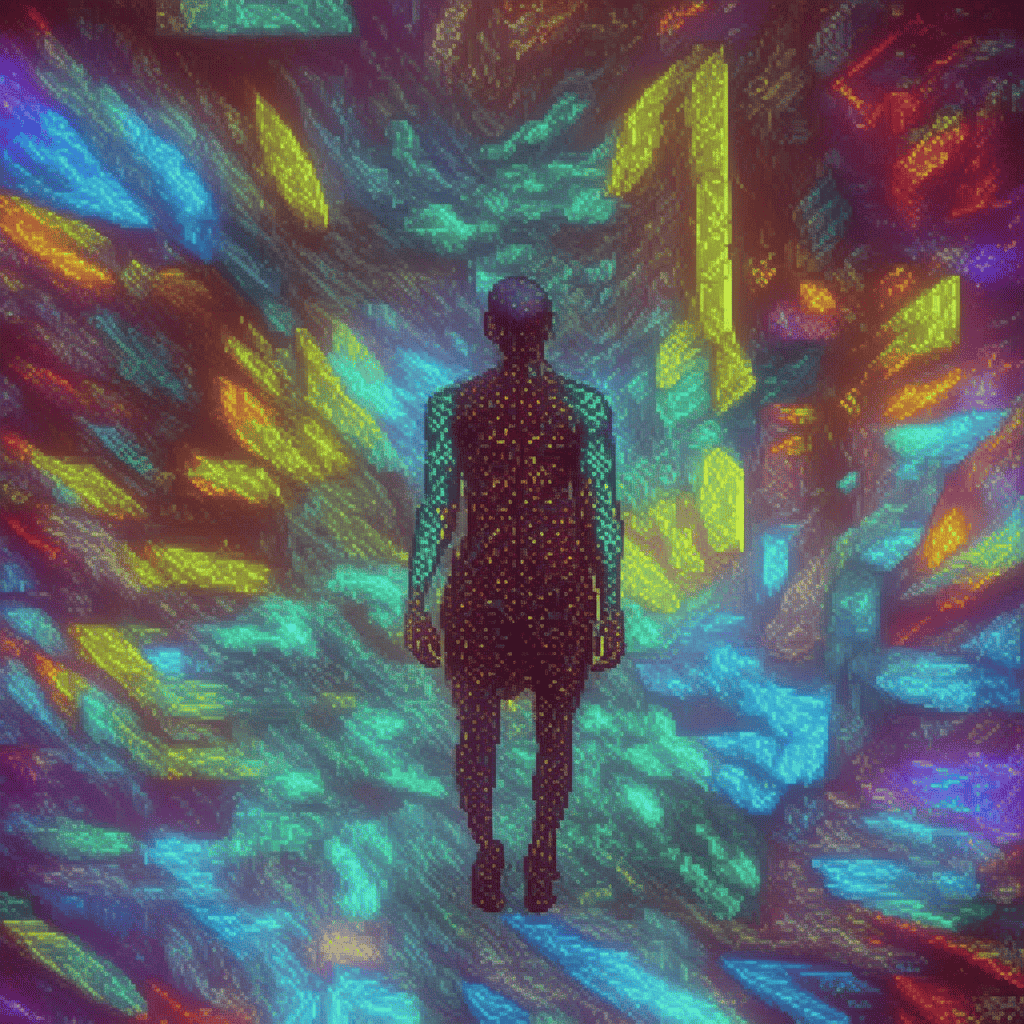
AI-generated figure in a colorful, abstract digital environment representing AI image generation capabilities
Challenges and Limitations
Despite its remarkable success, Nano Banana faces several challenges that highlight broader issues in AI technology deployment. Understanding these limitations provides insight into the technology’s future development trajectory.
Content Moderation and Safety
Google has implemented strict content moderation policies that sometimes restrict legitimate use cases. Users report difficulties editing family photos with children, fashion photography with minimal clothing, or images featuring public figures. These limitations, while intended to prevent misuse, can frustrate legitimate users.
Technical Constraints
The tool occasionally struggles with complex text rendering, fine detail preservation across multiple edits, and maintaining perfect character consistency in extreme transformations. These limitations become more apparent as users push the technology’s boundaries.
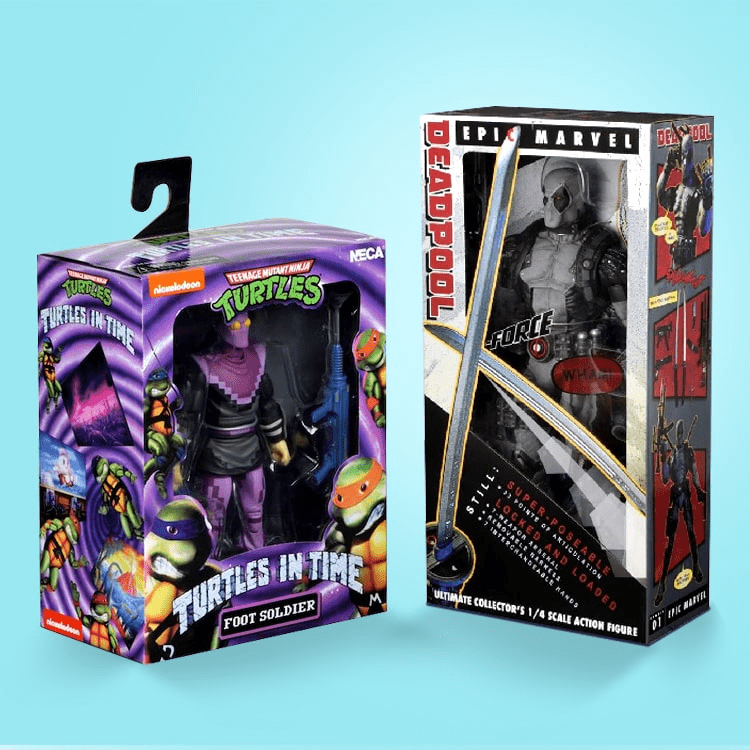
Two detailed 3D action figure boxes featuring Teenage Mutant Ninja Turtles and Marvel Deadpool, showcasing collectible toy packaging design
Future Implications and Industry Evolution
The Nano Banana phenomenon represents more than a viral trend – it signals a fundamental shift in how people interact with AI and create digital content. The implications extend across multiple industries and use cases.
AI Adoption Patterns
The success demonstrates that AI adoption often comes through delight rather than enterprise utility. Tools that are genuinely fun to use can achieve mass adoption more quickly than those focused purely on productivity gains.
Creative Industry Transformation
As AI tools like Nano Banana become more sophisticated and accessible, traditional creative industries must adapt their business models and value propositions. The technology supplements human creativity rather than replacing it, but it fundamentally changes the economics of content production.

A digital globe with AI text and network connections symbolizing artificial intelligence and global digital transformation
Conclusion: The Lasting Impact of Viral AI
The Nano Banana craze exemplifies how breakthrough AI technologies can achieve mainstream adoption through viral social media phenomena. By combining technical excellence with genuine utility and accessibility, Google created more than just an image editing tool – they sparked a cultural moment that demonstrated AI’s potential to enhance human creativity.
The trend’s success lies not just in its technological capabilities, but in its ability to make advanced AI accessible and enjoyable for millions of users worldwide. As the initial viral moment settles into sustained usage patterns, Nano Banana’s true legacy will be measured by its long-term impact on content creation, social media culture, and the broader adoption of AI technologies in everyday life.
The phenomenon proves that when AI tools genuinely solve problems while being fun to use, they can transcend their technical origins to become cultural touchstones. Nano Banana has set a new standard for AI tool adoption, showing that the future of artificial intelligence lies not in replacing human creativity, but in amplifying it through accessible, powerful, and delightfully engaging tools.

Packaging design for a Star Wars Imperial Stormtrooper action figure collectible toy box by Hasbro
This viral trend continues to evolve, with new applications and creative uses emerging daily across social media platforms. The Nano Banana craze has fundamentally changed how we think about AI-human collaboration in creative endeavors, marking a pivotal moment in the democratization of advanced digital tools.https://nanobanana.ai/