Houthi Rebels Say Israeli Airstrike Killed Their Prime Minister in Yemen’s Capital
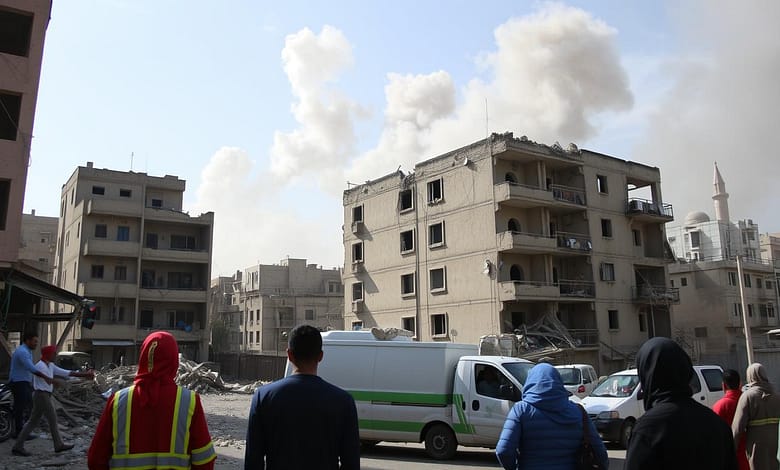
The Iran-backed Houthi rebels announced Saturday that an Israeli airstrike killed Ahmed al-Rahawi, the prime minister of their rebel-controlled government in Yemen’s capital Sanaa. The strike, which reportedly occurred on Thursday, marks a significant escalation in the ongoing conflict between Israel and the Houthi rebels, who have been targeting Israeli interests and shipping lanes in the Red Sea in solidarity with Palestinians.
Aftermath of the Israeli airstrike in Sanaa that reportedly killed Houthi Prime Minister Ahmed al-Rahawi and several ministers on Thursday. (Photo: AP)
Incident Details: What We Know About the Deadly Strike
According to a statement released by the Houthi rebels, Ahmed al-Rahawi was killed along with several ministers during what they described as “a routine workshop held by the government to evaluate its activities and performance over the past year.” The strike reportedly took place in Beit Baws, an ancient village in southern Sanaa, where senior Houthi officials had gathered.
The timing of the strike coincided with the broadcast of a speech by Abdul Malik al-Houthi, the secretive leader of the rebel group, on the rebel-owned television station. Senior Houthi officials reportedly gathered to watch the pre-recorded speech, creating an opportunity for Israel to target multiple leaders in a single operation.https://www.mindviewmagazine.com/
Tribal leaders speaking to The Associated Press on condition of anonymity confirmed that the strike targeted a villa where Houthi leaders were meeting. The Israeli military acknowledged on Thursday that it had “precisely struck a Houthi terrorist regime military target in the area of Sanaa in Yemen,” but initially made no specific comment about the prime minister’s death.

Ahmed al-Rahawi, appointed as Houthi prime minister in August 2024, was killed in Thursday’s Israeli airstrike. (Photo: Houthi Media Office)
Houthi Statements and Israeli Response
Following the announcement of al-Rahawi’s death, Mahdi al-Mashat, head of the Houthis’ Supreme Political Council, issued a stern warning: “We promise to God, to the dear Yemeni people and the families of the martyrs and wounded that we will take revenge and we will turn the wounds into a victory.”
The Houthi Minister of Defense, Maj. Gen. Mohammad Nasser al-Atifi, added that the group is ready “at all levels to confront the US-backed Zionist enemy,” according to a statement carried on Houthi-run television.
“Yemen endures a lot for the victory of the Palestinian people,” al-Rahawi had said just last week following an earlier Israeli strike that hit an oil facility and power plant in Sanaa.
On Saturday, Israeli Defense Minister Israel Katz confirmed the assassination strike, claiming that the Israeli military had struck an “unprecedented knockout blow” to Houthi leadership. “The Houthi Prime Minister, most of his ministers, and other senior officials were eliminated and injured,” Katz stated. “I warned that after the ‘plague of darkness’ would come the ‘plague of the firstborn’ — and now we have carried out that warning.”

Houthi supporters rally in Sanaa on Friday, a day after the airstrike that killed Prime Minister al-Rahawi. (Photo: Reuters)
Context: Escalating Israel-Houthi Tensions
Al-Rahawi is the most senior Houthi official to be killed since the United States and Israel began their air and naval campaign against the rebels. The Houthis have been targeting ships in the Red Sea and launching missiles toward Israel in what they describe as solidarity with Palestinians following the outbreak of the Israel-Hamas war in Gaza nearly two years ago.
The Houthis’ attacks have significantly disrupted shipping in the Red Sea, through which approximately $1 trillion worth of goods pass annually. Their campaign has prompted retaliatory strikes from both the United States and Israel, which have targeted Houthi military installations, infrastructure, and now leadership figures.
In May, the Trump administration announced a deal with the Houthis to end airstrikes in return for an end to attacks on shipping. However, the rebels stated that the agreement did not include halting attacks on targets they believed were aligned with Israel.

Map showing Houthi-controlled territories in Yemen and the strategic Red Sea shipping lanes that have been targeted by the rebels. (Image: Created based on data from multiple sources)
Regional Geopolitical Implications
The killing of al-Rahawi represents a significant escalation in Israel’s approach to the Houthis. Ahmed Nagi, a senior Yemen analyst with Crisis Group International, called the killing a “serious setback” for the rebels, noting that it marks an Israeli shift from striking infrastructure to targeting leadership figures, which “poses a greater threat to their command structure.”
This assassination follows Israel’s pattern of eliminating leaders of Iran’s regional proxies. In the past year, Israel has killed Hamas political leader Ismail Haniyeh in Tehran, Hezbollah leader Hassan Nasrallah in Beirut, and Hamas leader Yahya Sinwar in Gaza. In December, Israeli Defense Minister Israel Katz publicly threatened that Israel would “behead” Houthi leaders just as it had done to these other figures.
Iran-Saudi Arabia Dynamics
The assassination comes at a delicate time in regional politics. Iran, the Houthis’ main backer, has been providing the rebels with weapons, training, and financial support. Meanwhile, Saudi Arabia, which has led a coalition fighting the Houthis since 2015, has been seeking to extricate itself from the Yemen conflict through negotiations.
The killing of a high-profile Houthi leader could potentially complicate these diplomatic efforts and draw Iran more deeply into supporting the Houthis’ campaign against Israel, further destabilizing the region.
Yemen Civil War Status
The Houthis have controlled much of northern Yemen, including the capital Sanaa, since 2014 when they ousted the internationally recognized government. Despite years of conflict and a Saudi-led military campaign, the rebels have consolidated their power in these territories.
Al-Rahawi, who was appointed prime minister in August 2024, was primarily responsible for civilian affairs in Houthi-controlled areas rather than military operations. His government managed day-to-day administration while the inner circle around Abdul Malik al-Houthi controlled military and strategic affairs.

Iranian officials meeting with Houthi representatives, illustrating the close relationship between Tehran and the rebel group. (Photo: Middle East Monitor)
International Reactions and Expert Analysis
International Responses
The United Nations has yet to issue an official statement on the killing of al-Rahawi. The U.S. State Department, which has supported Israel’s right to defend itself against Houthi attacks, has not commented specifically on this strike.
Regional reactions have been mixed, with Iran condemning the attack as “state terrorism” and Saudi Arabia maintaining a cautious silence. The Arab League has called for restraint from all parties to prevent further escalation in an already volatile region.
Expert Analysis on Strike Plausibility
Military analysts note that Israel has demonstrated both the capability and willingness to conduct long-range strikes against targets it considers threats. The Israeli Air Force possesses advanced aircraft capable of reaching Yemen, either directly or by refueling.
Intelligence experts suggest that Israel likely had precise information about the gathering of Houthi leaders, possibly through electronic surveillance or human intelligence sources. The timing of the strike during a leadership meeting indicates sophisticated intelligence capabilities.

Israeli Air Force fighter jets like these have the capability to conduct long-range strikes against targets in Yemen. (Photo: Israeli Defense Forces)
Historical Comparison to Previous Cross-Border Attacks
This is not the first time Israel has conducted strikes far beyond its borders. In 1981, Israel bombed Iraq’s Osirak nuclear reactor, and in 2007, it struck a suspected nuclear facility in Syria. More recently, Israel has conducted numerous strikes in Syria targeting Iranian-linked forces and has been linked to assassinations of Iranian nuclear scientists within Iran itself.
However, the strike in Yemen represents one of Israel’s longest-range operations and signals a willingness to target adversaries regardless of geographic distance. The assassination of al-Rahawi follows Israel’s strategy of targeting leadership figures of groups it considers threats, as seen with its recent killings of Hamas and Hezbollah leaders.

A Houthi missile launch toward Israel. The rebels have fired numerous missiles at Israel since the outbreak of the Gaza war. (Photo: Houthi Media)
Ongoing Developments and Future Implications
The killing of Prime Minister al-Rahawi marks a significant escalation in the conflict between Israel and the Houthis. While al-Rahawi was not part of the inner military circle of the Houthi movement, his assassination represents a symbolic blow to the rebel government’s civilian administration.
The Houthis have vowed revenge for the killing, raising concerns about potential retaliatory attacks against Israeli targets or shipping in the Red Sea. Meanwhile, Israel appears to be expanding its campaign against Iran’s regional proxies, potentially drawing the region into a wider conflict.
As tensions continue to rise, the international community faces the challenge of preventing further escalation while addressing the underlying issues driving the conflict, including the ongoing war in Gaza and Iran’s support for proxy groups throughout the Middle East.

Commercial shipping in the Red Sea remains vulnerable to Houthi attacks, which have disrupted global trade worth approximately $1 trillion annually. (Photo: Maritime Executive)
Related Coverage
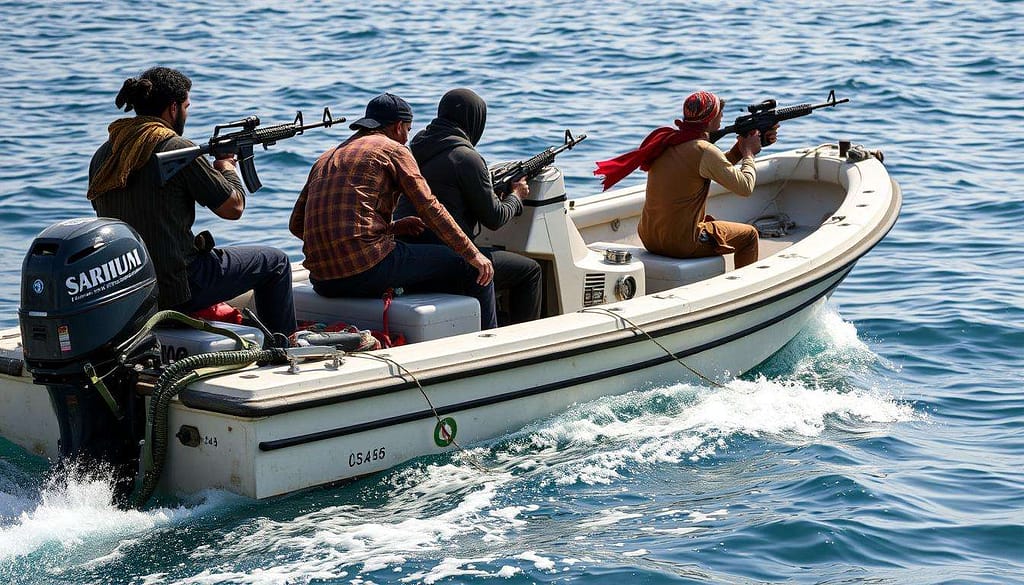
How Houthi Rebels Disrupted Global Shipping in the Red Sea
Explore how a rebel group from one of the world’s poorest countries became a major disruptor of international maritime trade.
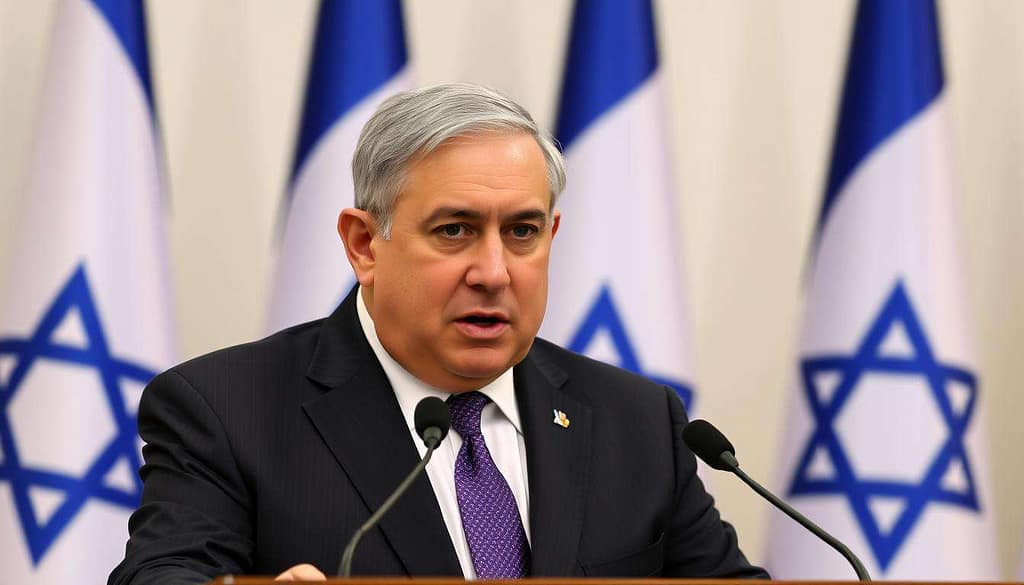
Israel’s Expanding Campaign Against Iran’s Regional Proxies
Analysis of Israel’s strategy to target leadership figures in Hamas, Hezbollah, and now the Houthis.
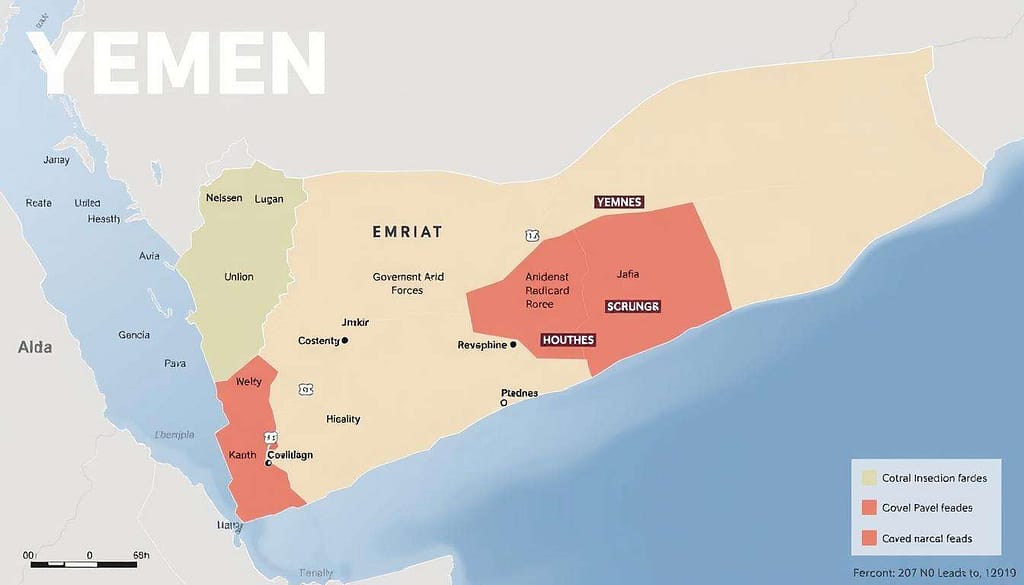
Yemen’s Complex Civil War: A Guide to the Competing Factions
Understanding the key players and international interests in Yemen’s devastating conflict.https://topnewslive.online/undersea-cables-cut-in-red-sea-internet-disrupted-across-asia-middle-east-india-pakistan-among-affected/