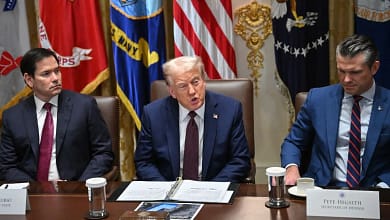
Donald Trump calls Kate Middleton ‘beautiful’ after Princess of Wales leaves US President awestruck in Windsor
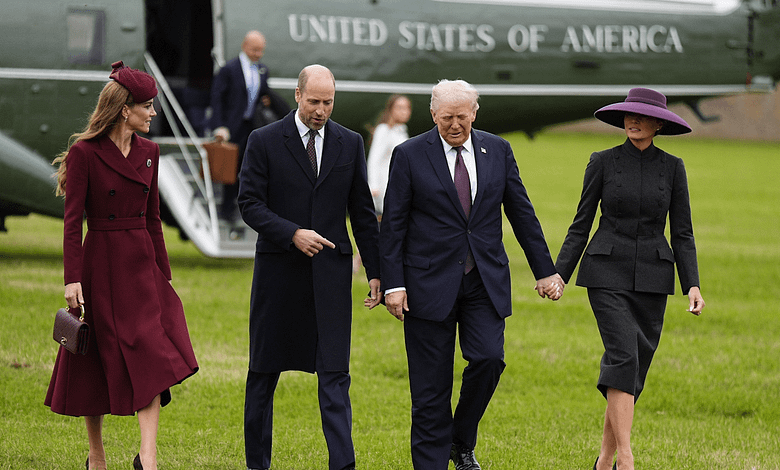
President Donald Trump made headlines during his historic second state visit to the United Kingdom when he publicly complimented Princess Kate Middleton, calling her “beautiful, so beautiful” during their first encounter at Windsor Castle on September 17, 2025. The moment, captured on camera as the presidential couple stepped off Marine One, has become one of the most talked-about exchanges of Trump’s unprecedented diplomatic trip.https://www.mindviewmagazine.com/
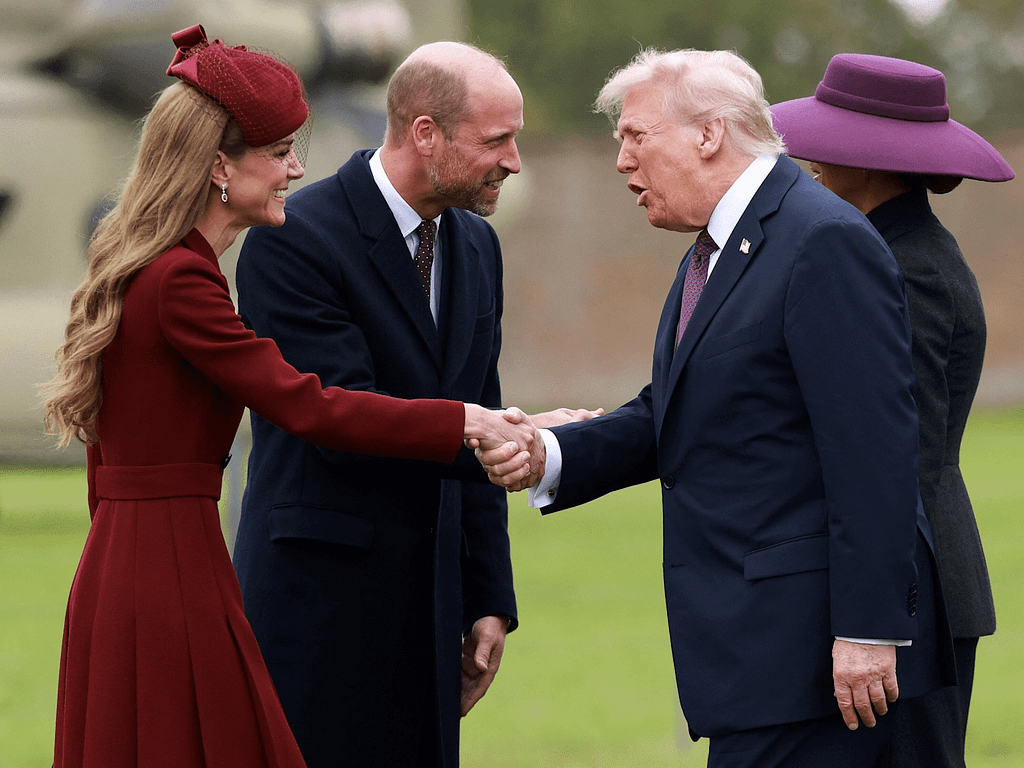
Prince William and Kate Middleton greet Donald Trump and Melania Trump during a formal visit at Windsor Castle in September 2025
A Royal Welcome at Windsor Castle
The Princess of Wales and Prince William served as the first royals to greet Trump and First Lady Melania Trump upon their arrival at Windsor Castle, setting the tone for what would become a day filled with ceremonial grandeur and diplomatic significance. Kate, dressed elegantly in a burgundy Emilia Wickstead coat dress with a matching Jane Taylor hat and a distinctive feather brooch, beamed as she welcomed the American dignitaries.
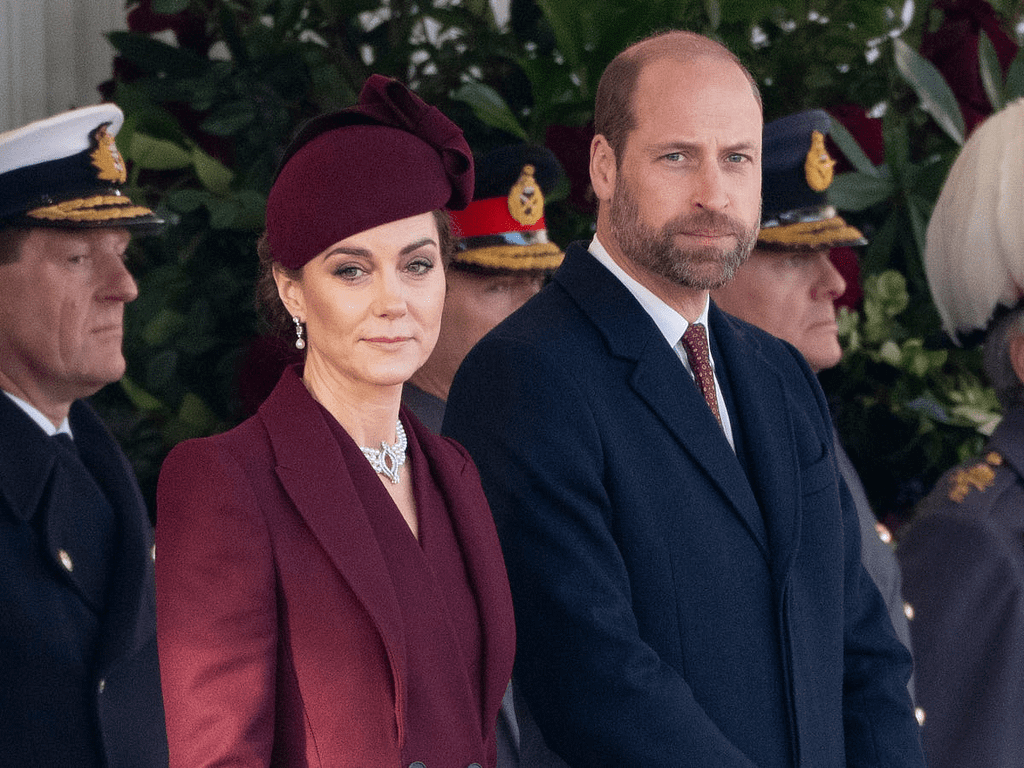
Kate Middleton in a maroon dress and coat at a formal event, indicative of her style at official visits
As the couples shook hands on the castle grounds, Trump’s immediate reaction to Kate was unmistakable. “You’re so beautiful,” he told the Princess of Wales, his admiration evident to onlookers and cameras present. The compliment came naturally as Trump has historically been vocal about his appreciation for the British royal family, having previously described Prince William as “very handsome” following their meeting in Paris in December 2024.
The Significance of Kate’s Return to Public Duties
Trump’s complimentary remarks toward Kate hold particular significance given her recent health journey. The Princess of Wales announced in January 2025 that she was in remission from cancer, marking a triumphant milestone in her battle with the disease that began with her diagnosis in early 2024. Her presence at this major state visit represents not only her return to full royal duties but also her resilience in the face of personal challenges.
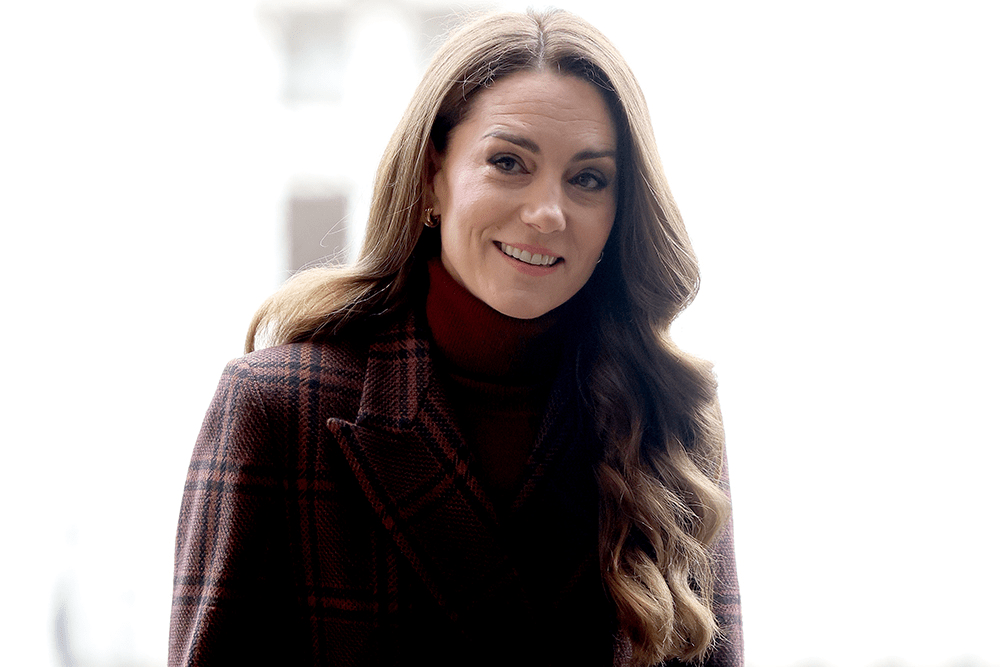
Kate Middleton in a formal plaid coat, representing her public presence during her cancer remission journey
Kate’s cancer journey began in January 2024 when she underwent planned abdominal surgery at The London Clinic. Post-operative tests revealed the presence of cancer, leading to a course of preventative chemotherapy that she completed in September 2024. Throughout her treatment, Kate maintained her dignity and grace while stepping back from public duties to focus on her recovery and her family.
A Historic State Visit
Trump’s second state visit to the United Kingdom marks an unprecedented diplomatic gesture, as he becomes the first U.S. president in modern times to be hosted for two separate state visits by British monarchs. His first visit occurred in June 2019 when he was received by the late Queen Elizabeth II. This historic distinction underscores the importance both nations place on maintaining their “special relationship.”
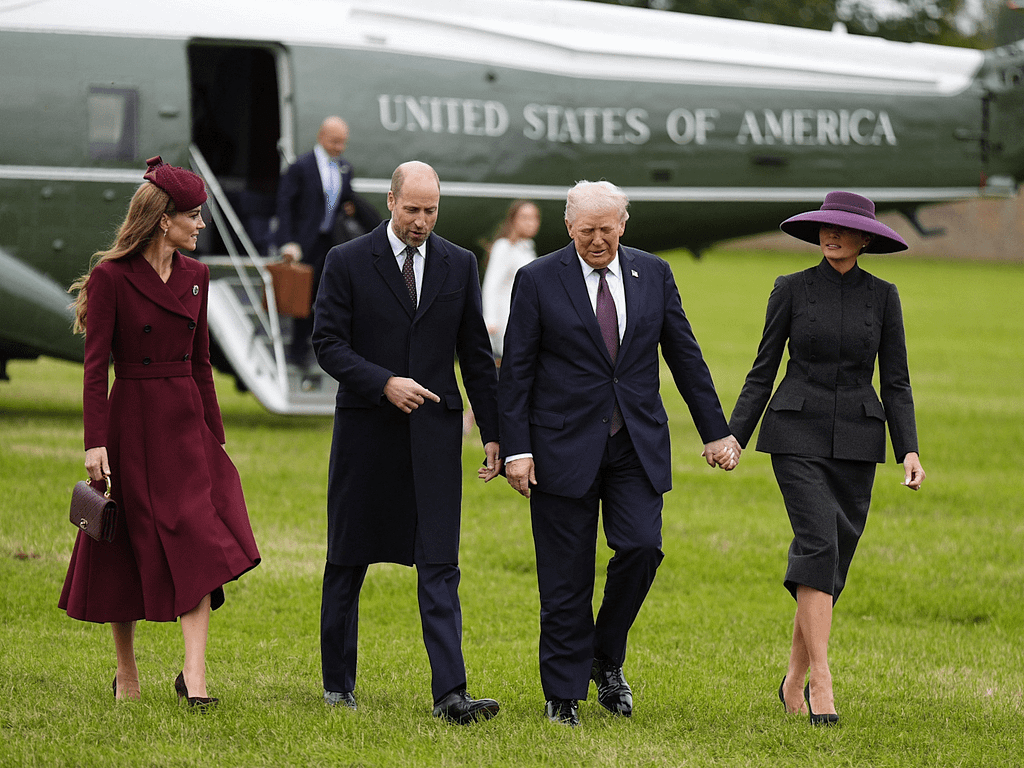
Kate Middleton in a burgundy coat dress and hat walking with Donald Trump and others near a US helicopter during a UK state visit
The ceremonial welcome at Windsor Castle included the full spectrum of British royal traditions. King Charles III and Queen Camilla officially received the Trumps following their initial greeting by the Wales couple. The group then participated in a magnificent horse-drawn carriage procession through the Windsor estate, with King Charles and Trump sharing the Irish State Coach while Queen Camilla and Melania Trump followed in the Scottish State Coach.
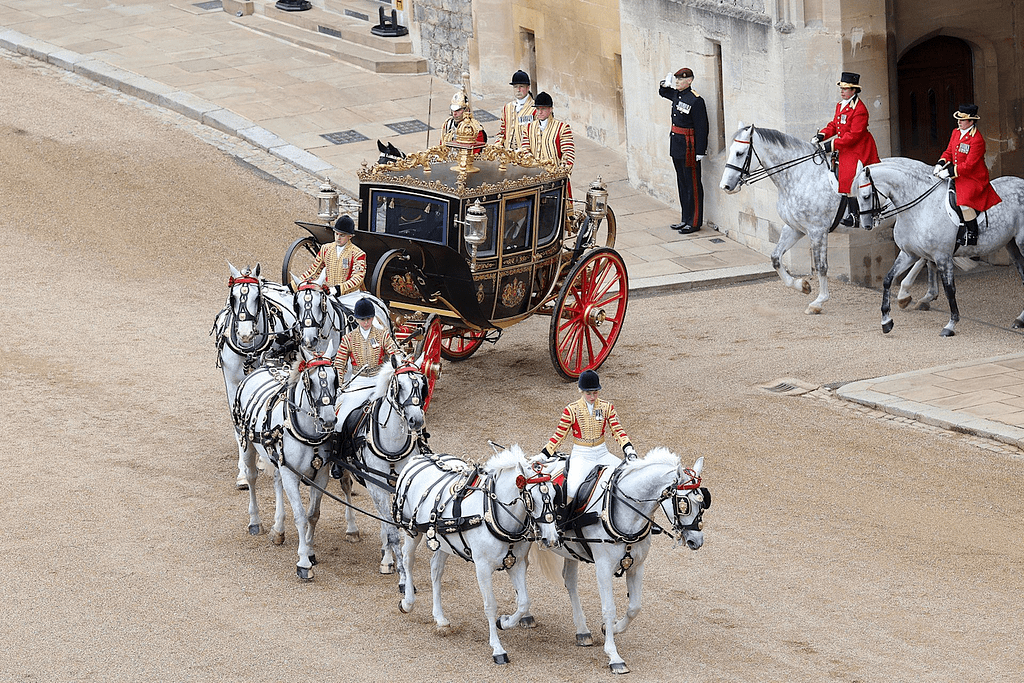
Royal horse-drawn carriage procession at Windsor Castle during a formal royal event with uniformed attendants and riders
Military Pageantry and Royal Protocol
The United Kingdom organized what officials described as the largest military ceremonial reception for a state visit in recent memory. The spectacular display involved 1,300 military personnel, 120 horses, and the full weight of Britain’s ceremonial traditions. The Quadrangle of Windsor Castle served as the backdrop for an impressive military ceremony where Trump, alongside King Charles, reviewed troops dressed in traditional red tunics and bearskin hats.
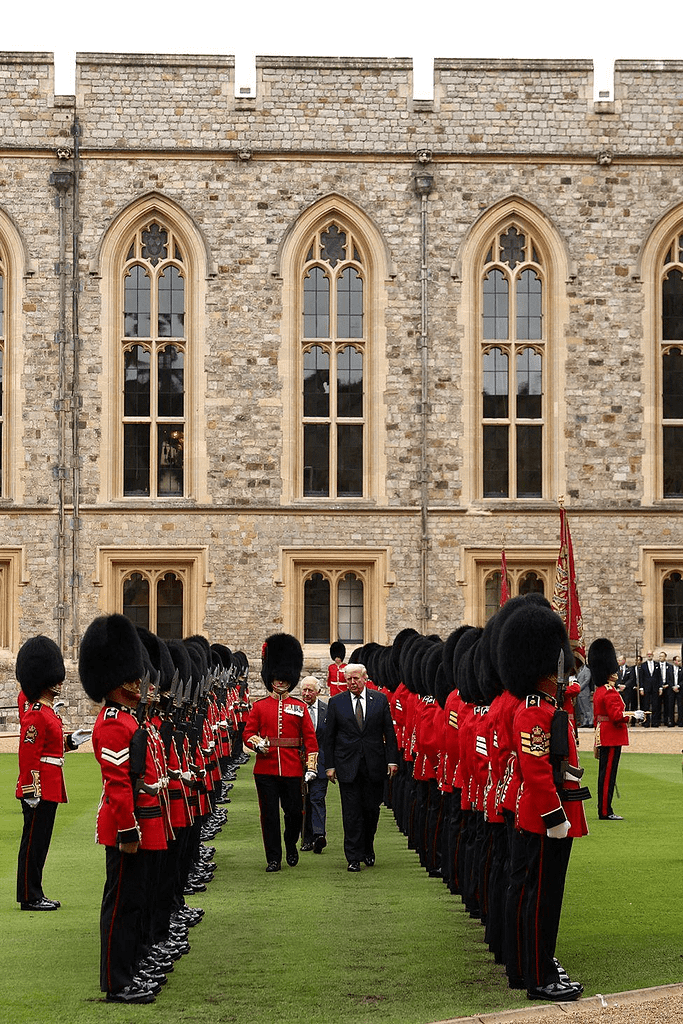
Ceremonial royal guard lined up at Windsor Castle during a formal state visit reception
The ceremonial events included a planned flypast by both UK and US F-35 fighter jets, though poor weather conditions prevented this display. However, the famous Red Arrows aerobatic team successfully performed their iconic display, painting red, white, and blue smoke trails across the Windsor sky, much to the delight of the assembled dignitaries.
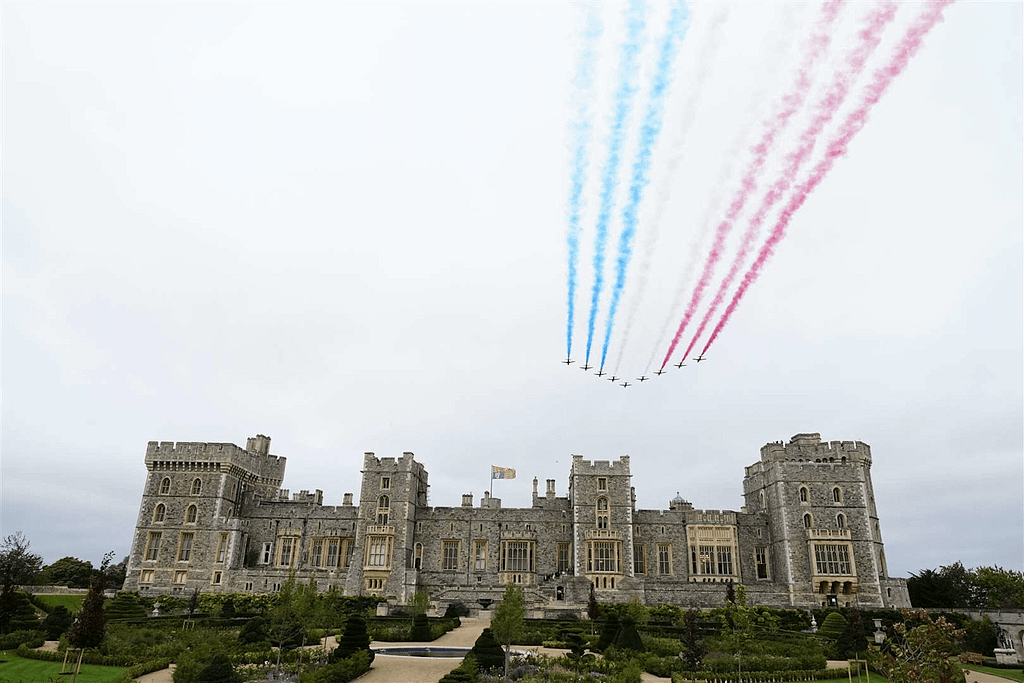
Red Arrows perform a patriotic flypast over Windsor Castle during a military ceremony
Private Conversations and Diplomatic Exchange
Following the public ceremonies, Prince William and Kate held a private meeting with the Trumps inside Windsor Castle. While Kensington Palace has not released specific details about their discussion, sources described the encounter as “warm and friendly”. The meeting took place after lunch and provided an opportunity for more intimate diplomatic exchange away from the ceremonial spotlight.
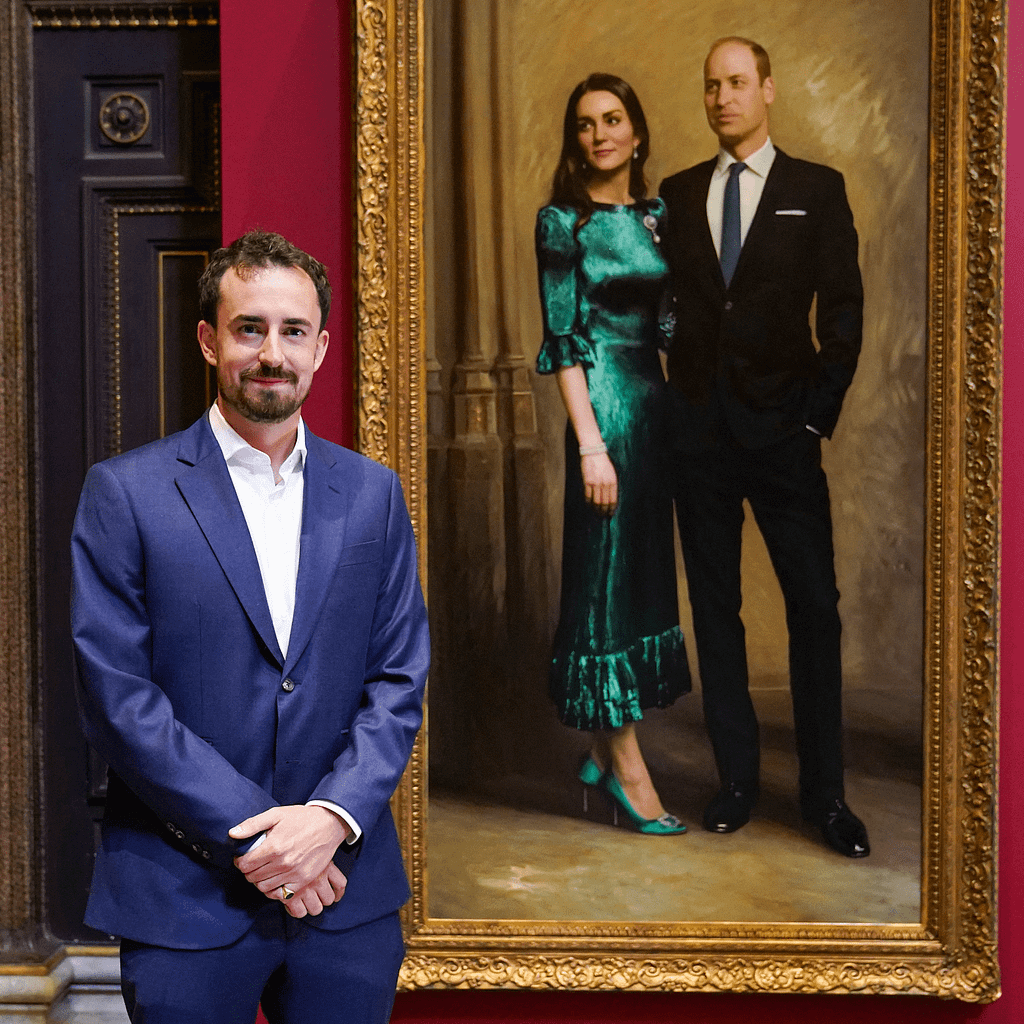
Man posing beside a large formal portrait of Prince William and Kate Middleton in an elegant setting
Speculation about their conversation topics has ranged from personal matters to broader diplomatic issues, with some royal insiders suggesting that the Duke and Duchess of Sussex might have been mentioned, given Trump’s previous public comments about Meghan Markle. However, official sources maintain discretion about the private discussions between the future King and Queen and the American presidential couple.
An Elegant State Banquet
The day’s festivities culminated in an opulent white-tie state banquet held in St George’s Hall at Windsor Castle. King Charles and his staff had spent four days preparing for this magnificent event, which hosted 162 guests in one of the most spectacular dining settings in the royal calendar. The preparation involved setting up the famous Waterloo Table, a process requiring ten people working for four full days.
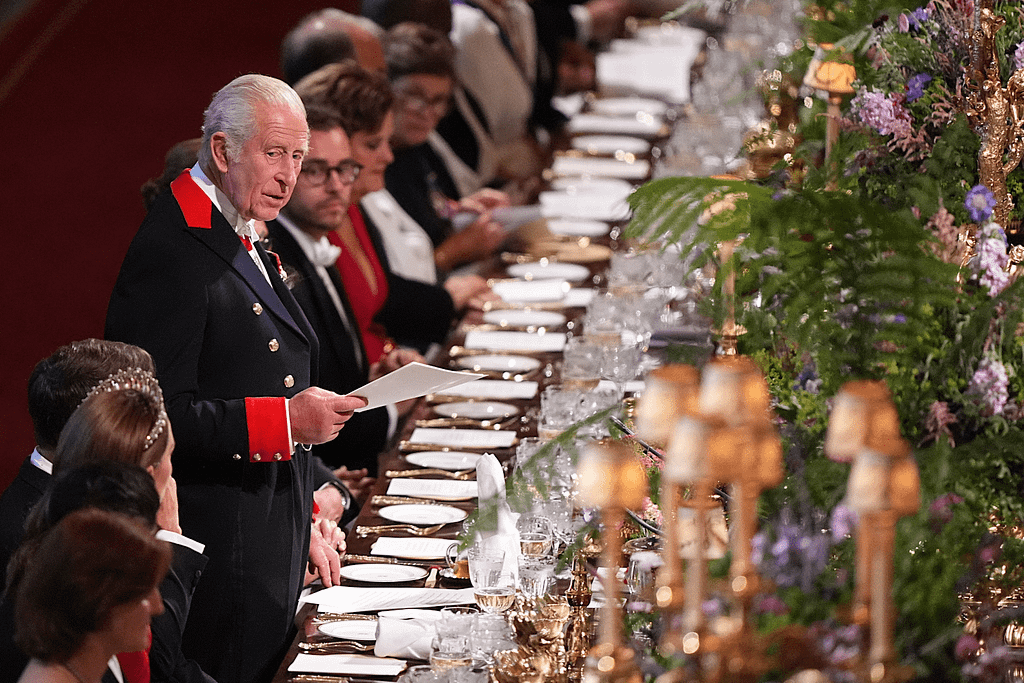
King Charles standing and delivering a speech at a formal state banquet with an elegantly set long dining table at Windsor Castle
The banquet featured a carefully planned three to four-course menu sourced primarily from local suppliers, including the royal farms and greenhouses at Windsor Castle. In keeping with royal tradition, King Charles created a bespoke cocktail for the occasion, symbolizing the enduring “special relationship” between the UK and the US. The elaborate floral arrangements, made from blooms grown at royal residences, were later donated to charity following the event.
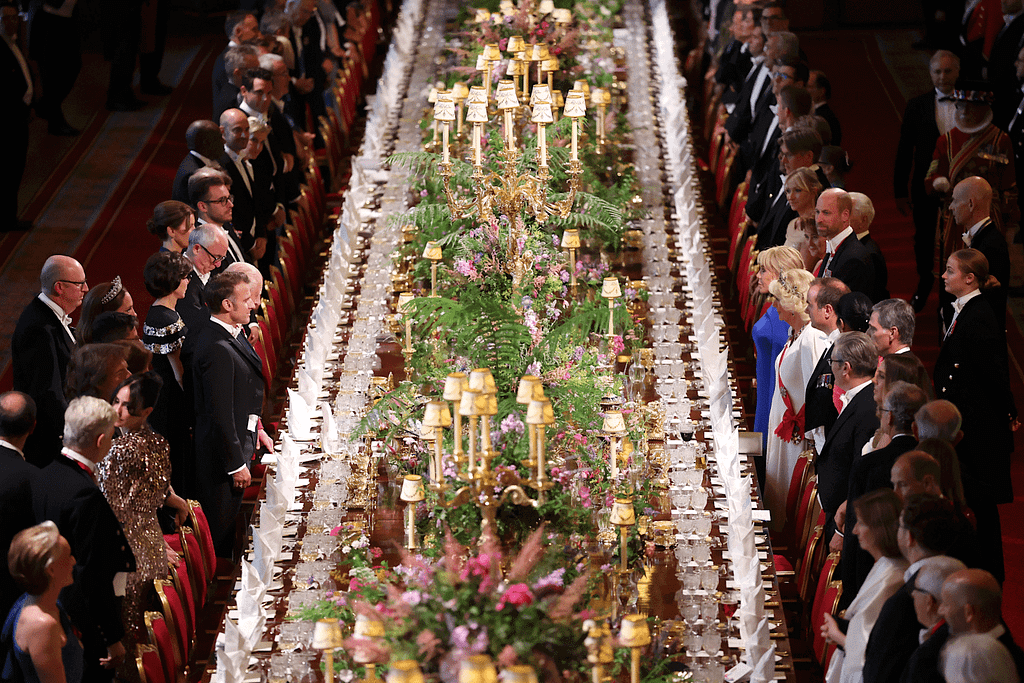
State banquet at Windsor Castle showing formal white tie dinner with elaborate table settings and attendees in evening wear
Kate’s Fashion Statement
Throughout the state visit, Kate’s fashion choices garnered significant attention, particularly her striking burgundy ensemble.
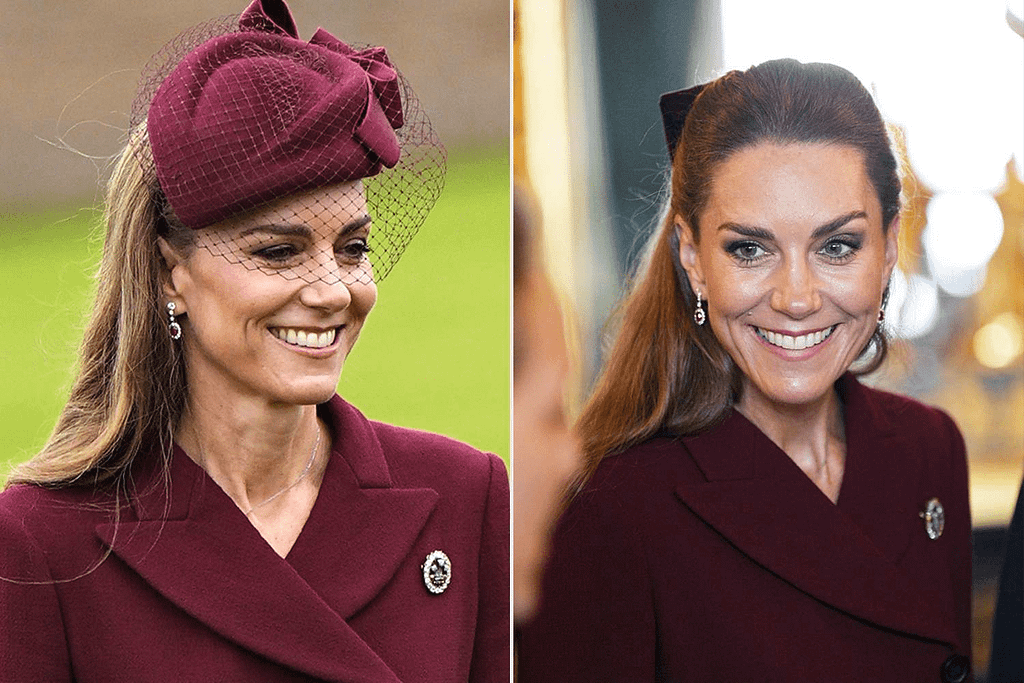
Kate Middleton wearing a maroon dress coat with a matching headpiece at Windsor during a state visit coinciding with Donald Trump’s presence
The Princess selected an Emilia Wickstead coat dress in a rich maroon shade, perfectly complemented by a matching Jane Taylor hat adorned with a delicate netted detail. Her accessories included a meaningful feather brooch and elegant pearl drop earrings, creating a sophisticated and regal appearance that clearly impressed the visiting dignitaries.
The choice of burgundy proved particularly apt for the autumn season and the formal nature of the state visit. Kate’s ensemble demonstrated her keen fashion sense and understanding of diplomatic dressing, where clothing choices often carry symbolic meaning and represent national pride on the international stage.
Trump’s Longstanding Royal Fascination
Trump’s complimentary remarks toward Kate reflect his well-documented fascination with the British royal family. Throughout his political career, he has consistently expressed admiration for various members of the monarchy, describing the late Queen Elizabeth II as “a spectacular woman” and maintaining that he had developed a good rapport with her during his previous visit.
His appreciation extends beyond mere diplomatic courtesy. Trump has previously stated his genuine fondness for Britain and its traditions, often mentioning his Scottish heritage and properties in the country. “I love it,” Trump expressed upon his arrival, referencing his connections to Scotland and the warm reception he consistently receives in the UK.
A Moment of Royal Diplomacy
The exchange between Trump and Kate represents more than just a complimentary greeting; it symbolizes the continuing strength of Anglo-American diplomatic relations. Kate’s gracious acceptance of the praise, combined with her warm demeanor throughout the visit, exemplifies the royal family’s role as diplomatic soft power ambassadors for the United Kingdom.
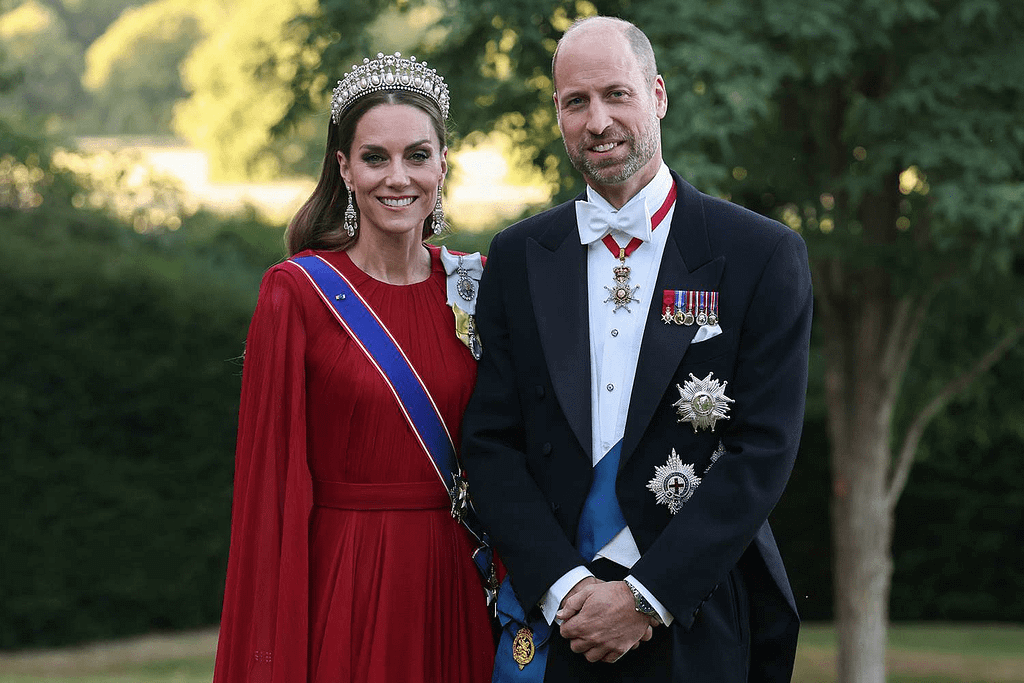
Formal portrait of Prince William and Kate Middleton in royal attire with medals and sashes outdoors
The Princess’s ability to charm international leaders while maintaining royal protocol demonstrates the modern monarchy’s evolution in balancing tradition with contemporary diplomatic needs. Her presence alongside Prince William as the future King and Queen Consort sends a clear message about the continuity and stability of British institutions.
Historical Context and Royal Tradition
The state visit to Windsor Castle carries deep historical significance beyond the immediate diplomatic exchanges. Windsor Castle, the world’s oldest and largest continuously inhabited castle, has hosted monarchs for nearly 1,000 years. The venue itself speaks to the enduring nature of British institutions and the royal family’s role in international diplomacy.
The Trumps also paid their respects at St George’s Chapel, where they laid a wreath at Queen Elizabeth II’s tomb. This solemn moment provided a connection to Trump’s previous state visit in 2019 when he was hosted by the late Queen, creating a bridge between past and present diplomatic relationships.
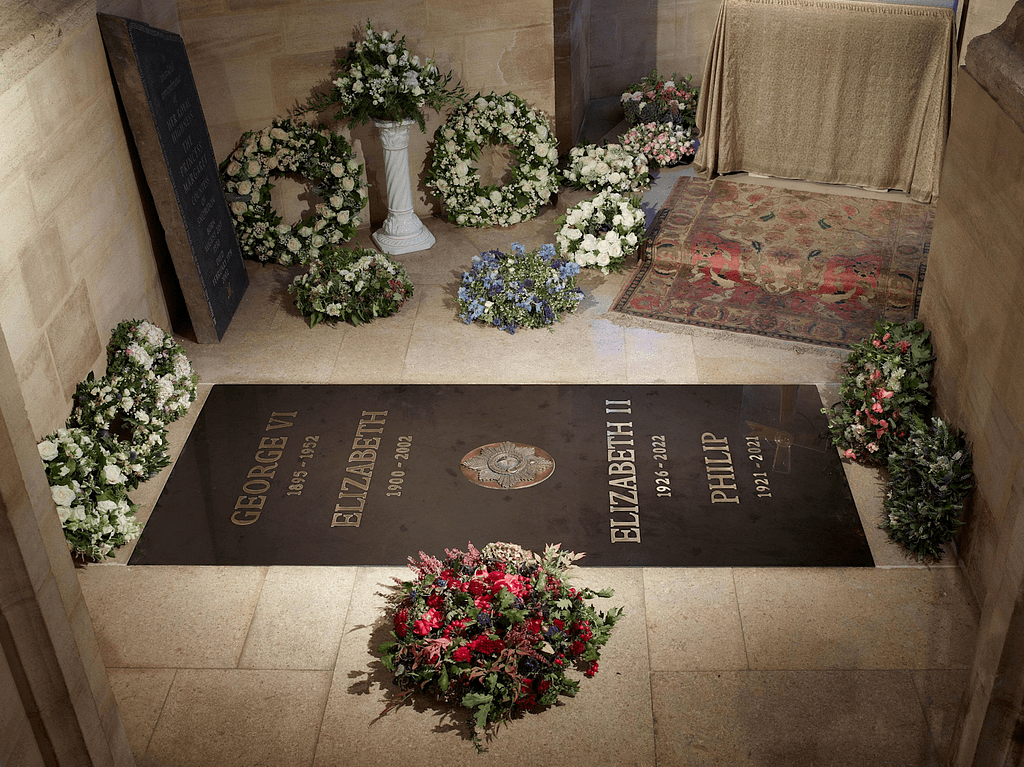
The tomb of Queen Elizabeth II, King George VI, Queen Elizabeth The Queen Mother, and Prince Philip at St George’s Chapel, Windsor Castle, surrounded by floral tributes
Public Reception and Media Coverage
While the royal family provided a warm welcome at Windsor, the state visit generated mixed reactions among the British public. Thousands of protesters gathered in central London to voice their opposition to Trump’s visit, though the carefully orchestrated Windsor events kept the president largely insulated from public demonstrations. The contrast between the royal pageantry and public protests highlighted the complex nature of contemporary diplomatic relations.
Despite the controversies surrounding Trump’s presidency, his obvious appreciation for royal protocol and British traditions has consistently impressed his royal hosts. His genuine enthusiasm for the ceremonial aspects of state visits aligns well with the monarchy’s emphasis on maintaining diplomatic relationships through cultural exchange and formal recognition.
Looking Forward
Trump’s historic second state visit, punctuated by his spontaneous compliment to Kate Middleton, reinforces the enduring bonds between the United States and the United Kingdom. The Princess of Wales’s successful return to high-profile royal duties following her cancer treatment adds an inspiring human dimension to the diplomatic narrative.
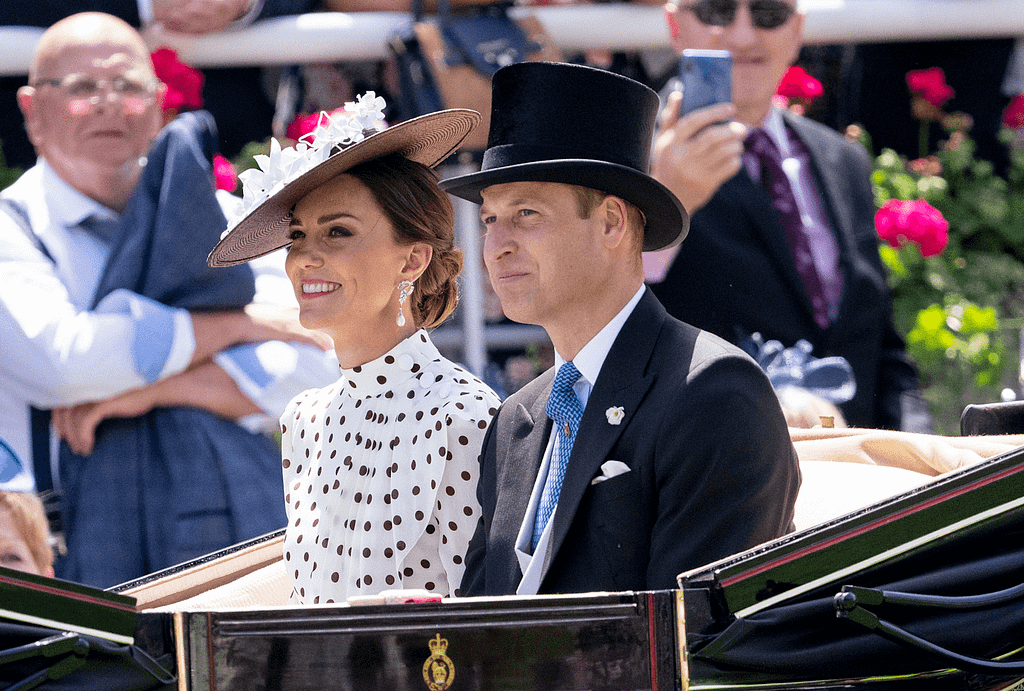
Kate Middleton and Prince William appear in formal attire seated in a carriage during a royal event
As Kate continues her recovery and gradual return to full royal responsibilities, moments like her interaction with Trump demonstrate her resilience and continued commitment to her royal duties. Her ability to represent the monarchy with grace and dignity during such significant international events bodes well for her future role as Queen Consort alongside Prince William.
The state visit ultimately succeeded in its diplomatic objectives while providing memorable moments that will be remembered long after the formal protocols conclude. Trump’s genuine admiration for Kate Middleton and the royal family, combined with the spectacular Windsor Castle setting, created an atmosphere of mutual respect and international cooperation that serves both nations’ interests in maintaining their special relationship for years to come.
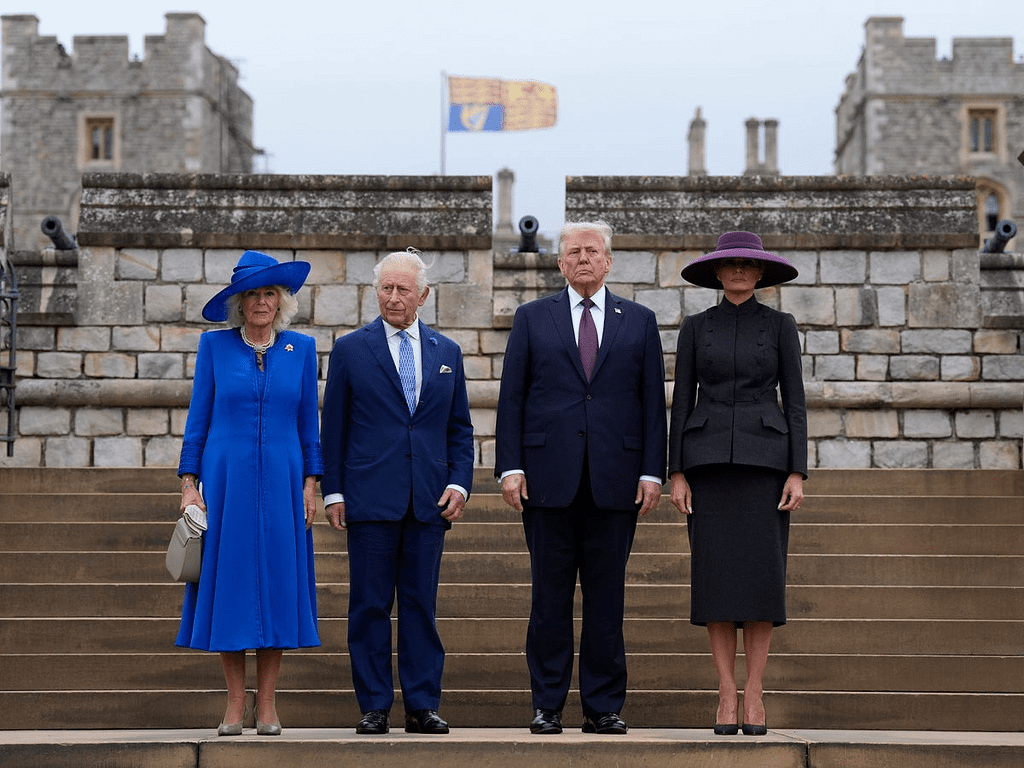
Formal photograph of Donald Trump, Kate Middleton, and other dignitaries during a ceremonial state visit at Windsor Castle