HEALTH NEWS TODAY — Three big WHO stories, June 2026

Today brings three major global health stories. WHO has released its biggest food safety report ever. An Ebola outbreak in Central Africa keeps growing. And a new WHO guide aims to help millions of people access mental health support for the first time.
Health news today shows a world tackling serious threats on many fronts. However, experts say the right information helps people stay safe. This article covers all three stories using only verified facts from trusted sources. For more background, see our earlier piece on global health threats to watch in 2026 on MindViewMagazine.com.
Table of Contents
- Unsafe food harms 866 million people every year, WHO reveals
- Ebola cases rise in the DRC as WHO warns response must speed up
- WHO releases a new guide to bring mental health tools to billions
- Frequently Asked Questions (FAQ)
- Conclusion
Unsafe food harms 866 million people every year, WHO reveals
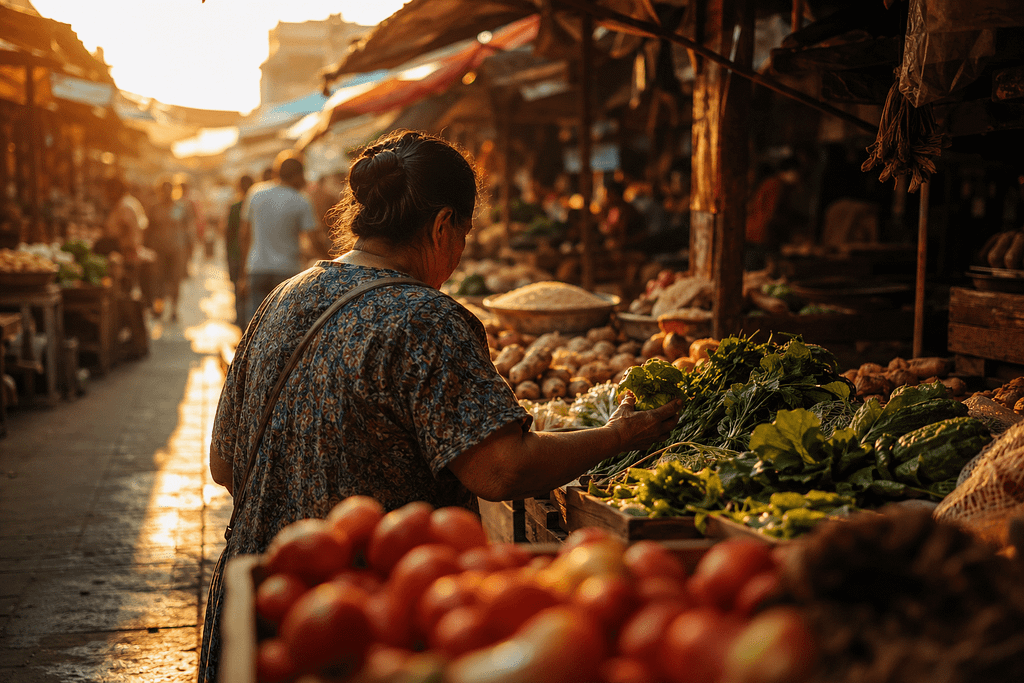
Today is World Food Safety Day 2026. To mark it, WHO has published its most detailed food illness report ever produced. The findings are striking.
Unsafe food causes around 866 million illnesses every year. It also leads to 1.5 million deaths. (Please verify current figures before publishing.) Furthermore, WHO says most of these deaths are preventable.
The total burden of food illness has fallen since 2000. However, big gaps between regions remain. Africa and South-East Asia still carry the heaviest load. In addition, the report shows that children are at far greater risk than adults.
Young children face the greatest danger
Children under five face almost three times the risk of getting sick from unsafe food. However, they make up only a small share of the total population. As a result, they account for a huge part of all food-related deaths worldwide.
Bacteria, viruses, and parasites in food cause the most illness. Indeed, these biological risks led to around 860 million cases in 2021. Diarrhoeal illness makes up a large part of this. For young children, diarrhoea can be fatal very quickly.
Consequently, basic hygiene habits matter most. Washing hands, using clean water, and cooking food well are the top ways to protect young children. These steps are simple. However, millions of families still lack safe water to put them into practice.
Chemical hazards are killing more people than most realise
One of the report’s biggest findings concerns chemicals in food. Chemical hazards caused 73% of all food-related deaths in 2021. (Please verify current figure before publishing.) Most of these deaths were linked to arsenic and lead in food. Both raise the risk of heart disease and cancer over time.
Furthermore, the report is the first to include country-level data. It covers the years 2000 to 2021. As a result, governments can now see their own national figures for the first time. This should help them target action more effectively.
The economic cost is also vast. Foodborne illness led to around US$310 billion in lost work time in 2021. (Please verify current figure before publishing.) When adjusted for living costs across countries, that figure rises to US$647 billion.
Ebola cases rise in the DRC as WHO warns response must speed up
An Ebola outbreak in Central Africa is growing fast. WHO declared it a global health emergency on 17 May 2026. It is the 17th recorded Ebola outbreak in the DRC.
As of 3 June 2026, at least 363 confirmed cases and 62 deaths had been recorded in the DRC. (Please verify current figures before publishing.) Meanwhile, Uganda had confirmed 15 cases and one death. However, health officials warn that the true number of cases is likely much higher.
Ituri province in north-eastern DRC remains the hardest-hit area. In addition, cases have spread to North Kivu and South Kivu. Furthermore, cases linked to the DRC outbreak have also appeared in Uganda’s capital, Kampala.

Why this outbreak is so hard to contain
Several factors are making this outbreak very difficult to control. First, the affected area is remote and hard to reach. Second, conflict in the region limits where aid teams can go. Third, hunger is widespread — and hunger makes people far more likely to become seriously ill.
WHO chief Tedros Adhanom Ghebreyesus has noted that only around 44% of known contacts were being traced in Ituri as of early June. However, he said that figure needs to reach at least 90% to bring the outbreak under control. Contact tracing is key to stopping Ebola from spreading further.
Bundibugyo virus has no approved treatment or vaccine. This makes the response harder still. However, WHO and research teams are working urgently to test candidate treatments. In addition, health workers are setting up new treatment centres in affected zones to improve care.
WHO releases a new guide to bring mental health tools to billions
On 1 June 2026, WHO launched a major new mental health guide. Its aim is to help countries and groups scale up self-help mental health programmes. The guide focuses on reaching people who currently have no access to care.
More than one billion people worldwide live with a mental health condition. However, many of them never receive any help. In low- and middle-income countries especially, trained mental health workers are very scarce. Consequently, millions of people suffer without support.
The guide is called Psychological Self-Help Interventions: Delivering Self-Help for Individuals. It gives practical steps for running self-help programmes. Furthermore, it covers how to deliver these programmes online, in print, or in community settings.

What these tools actually involve
Mental health self-help tools use simple, structured exercises. They help people manage stress, low mood, and anxiety. In addition, they can help with substance use conditions. Anyone can use them — with little or no specialist support needed.
Two of the main WHO programmes are called Step-by-Step and Doing What Matters in Times of Stress. WHO designed both to be flexible and easy to follow. Furthermore, researchers have tested both and found they work well, especially for depression and anxiety.
WHO aimed this guide at health workers, community helpers, and aid teams. However, it is also useful for anyone running a mental health programme. As a result, it can be used in hospitals, community centres, schools, and even online platforms. This broad reach is exactly what makes it so valuable.
What experts are saying
WHO has been clear about the food safety findings. The agency states that the majority of food-related deaths are preventable. Better water, cleaner food handling, and wider use of food safety practices like pasteurisation can all make a big difference.
On Ebola, WHO Director-General Tedros Adhanom Ghebreyesus has spoken directly. He has said that hunger makes people far more open to infection. Furthermore, he has called for improved access for aid teams in conflict-hit areas of the DRC. He said, “we are still behind” in the response effort.
On mental health, WHO’s position is well established. The agency says self-help tools are proven to work, especially for anxiety and depression. Moreover, they are one of the most practical ways to close the huge gap in mental health care worldwide.
What this means for you
The food safety report is a reminder that simple habits save lives. Wash hands before and after handling food. Cook meat until it is fully done. Keep fresh food cold. Use clean water to prepare meals. These steps are easy. However, they are also very effective.
The Ebola outbreak is focused in eastern DRC and Uganda. For most people outside those areas, the risk is currently low. Nevertheless, if you plan to travel to the region, check the latest advice from your national health authority first. The CDC has issued a Level 3 Travel Health Notice for the DRC.
The new WHO mental health guide is most useful for people working in health or community care. However, it is also good to know that self-help tools for anxiety and depression are free, proven, and widely available. If you or someone close to you is struggling, speaking to a GP is always the best first step.
Frequently Asked Questions (FAQ)
What is Bundibugyo Ebola virus?
Bundibugyo virus is one type of Ebola virus. It causes severe illness and can be fatal. There is no approved vaccine or treatment for this strain. However, WHO and research teams are urgently testing candidate drugs.
How does unsafe food cause so many deaths?
Unsafe food can contain bacteria, viruses, or chemical hazards like arsenic and lead. Chemical risks in particular raise the long-term risk of heart disease and cancer. Young children and people in low-income countries face the biggest danger.
Is the Ebola outbreak a risk to people outside Africa?
WHO currently rates the global risk as low. The outbreak is centred in eastern DRC and Uganda. However, WHO has declared it a global health emergency. Travellers should check national health authority guidance before visiting the region.
What is a mental health self-help tool?
A mental health self-help tool is a set of simple, structured exercises. These help people manage stress, anxiety, and low mood. WHO’s Step-by-Step programme is one example. People can use these tools on their own, without needing a specialist.
How can I protect my family from unsafe food?
The key steps are simple. Wash hands before and after handling food. Cook food to safe temperatures. Store fresh food in the fridge promptly. Use clean water in all food prep. These habits cut the risk of food illness greatly.
Conclusion
This week’s health news today covers three stories that matter to people all over the world. First, WHO’s landmark food safety report shows that 866 million illnesses a year are linked to unsafe food — and most are preventable. Second, the Ebola outbreak in the DRC has been declared a global emergency. It is a serious situation made harder by conflict, hunger, and a lack of any approved treatment for Bundibugyo virus. Third, WHO’s new mental health guide offers real hope for the billion-plus people who currently live without any mental health support.
However, staying informed is only a starting point. All three stories show that action — by governments, health teams, and individuals — is what makes the real difference.
This article is for informational purposes only. It is not medical advice. Please speak to a qualified healthcare professional before making any changes based on what you have read here. A doctor or health worker is always the best person to advise you on your own health.
Thank you for reading. MindViewMagazine.com is here to bring you clear, trusted health news every day. Bookmark us and check back for the latest updates.
Trusted external sources:
- World Health Organization: https://www.who.int
- Centers for Disease Control and Prevention: https://www.cdc.gov