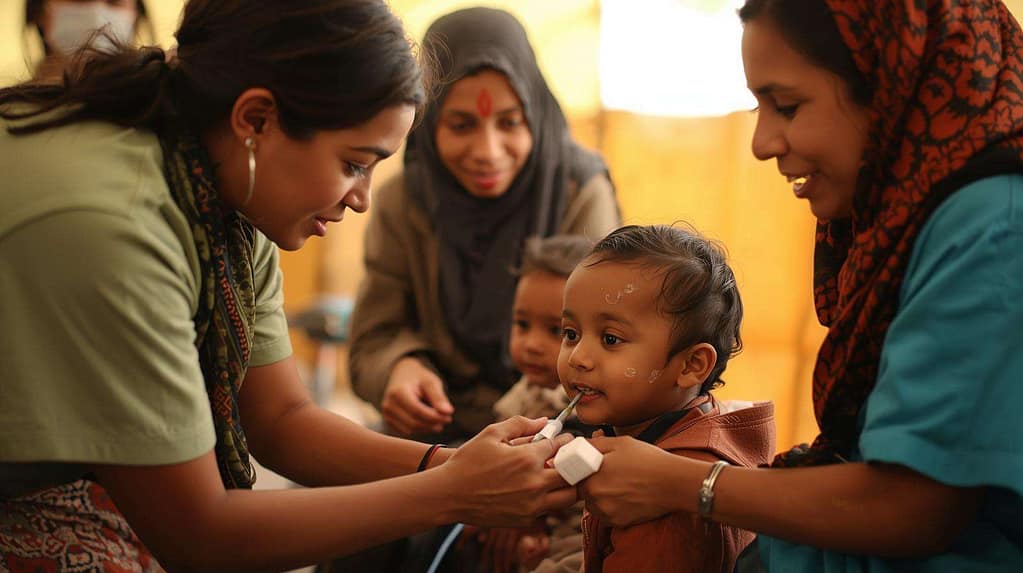
Sudan Floods 2025: Children Rebuilding Amid the Waters

1️⃣ The Deluge Hits: Sudan’s Worst Floods in Decades
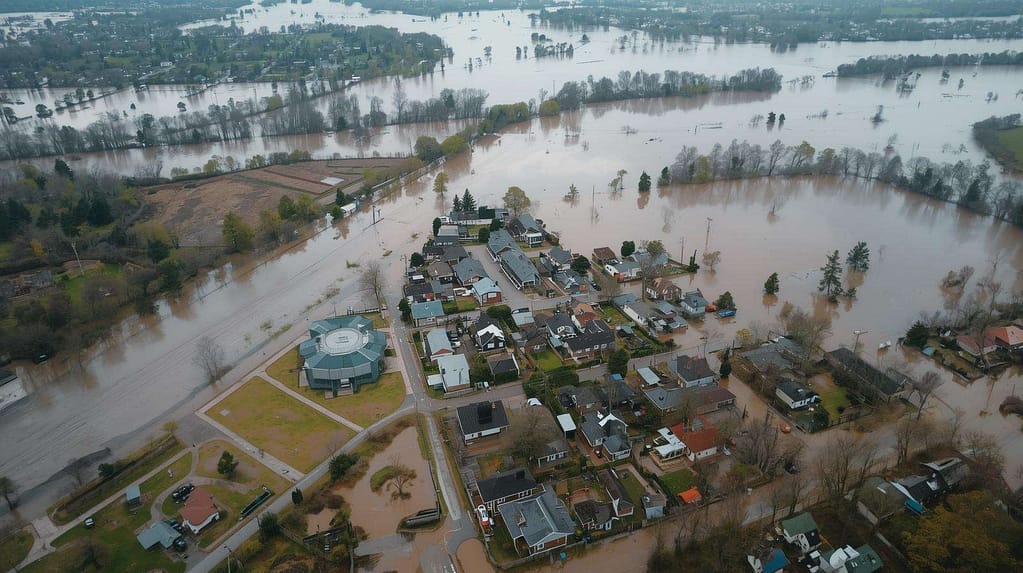
In the early hours of August 2025, the skies over Sudan darkened ominously. Torrential rains fell for days, swelling rivers and breaking levees. Within hours, entire villages were submerged under muddy waters. Experts describe these floods as the worst the country has experienced in decades.
Thousands of families awoke to find their homes and possessions destroyed. For children, the sudden loss of shelter, schools, and playgrounds became a traumatic introduction to a world they had barely begun to explore.
“I woke up, and everything was gone,” recalls 10-year-old Salma from El Gezira. “Our house, our school… the water took it all.”
Government agencies declared a state of emergency as rescue operations scrambled to reach the most affected regions. Meanwhile, humanitarian organizations warned that the situation could worsen as the rains continued. More…
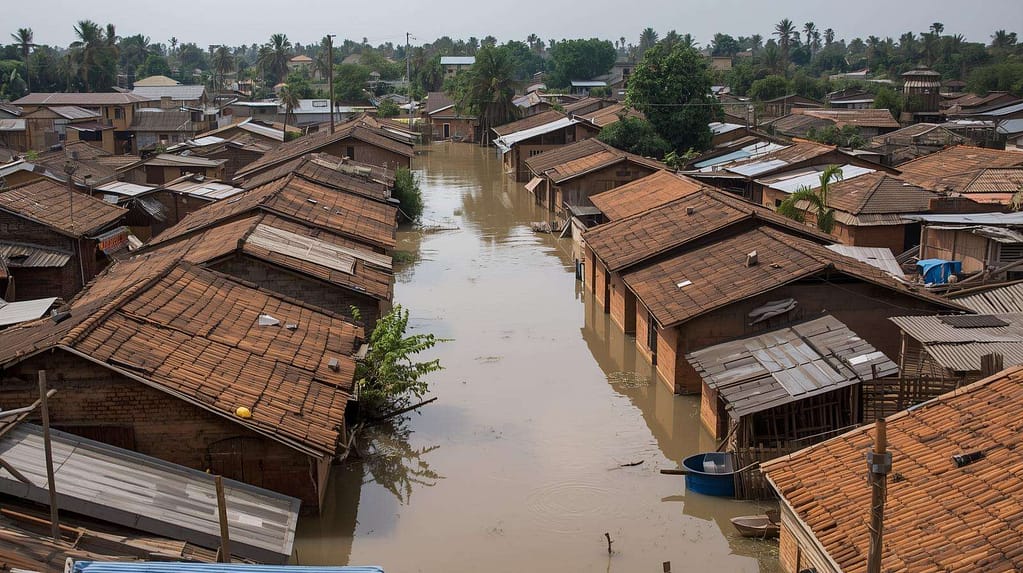
2️⃣ Communities Submerged: Villages Under Water
Entire neighborhoods vanished beneath floodwaters. Streets became rivers, and markets were rendered unrecognizable. Remote villages, already struggling with poverty, were hardest hit. Homes built from mud bricks collapsed almost instantly, leaving families exposed to the elements.
Transportation came to a standstill. Many areas could only be reached by boats or helicopters. Villagers waded through waist-deep water, carrying what little they could salvage. Crops, livestock, and infrastructure were destroyed, threatening not only immediate survival but also long-term food security.
Aid workers note that the destruction of bridges and roads is isolating communities, making relief efforts significantly slower.
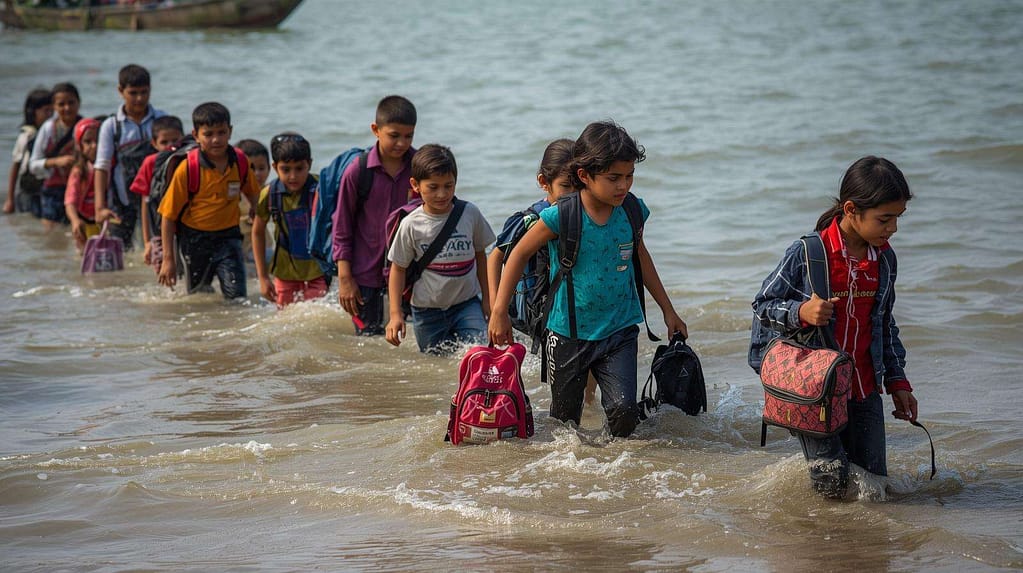
3️⃣ Children Amid the Chaos: Stories of Survival
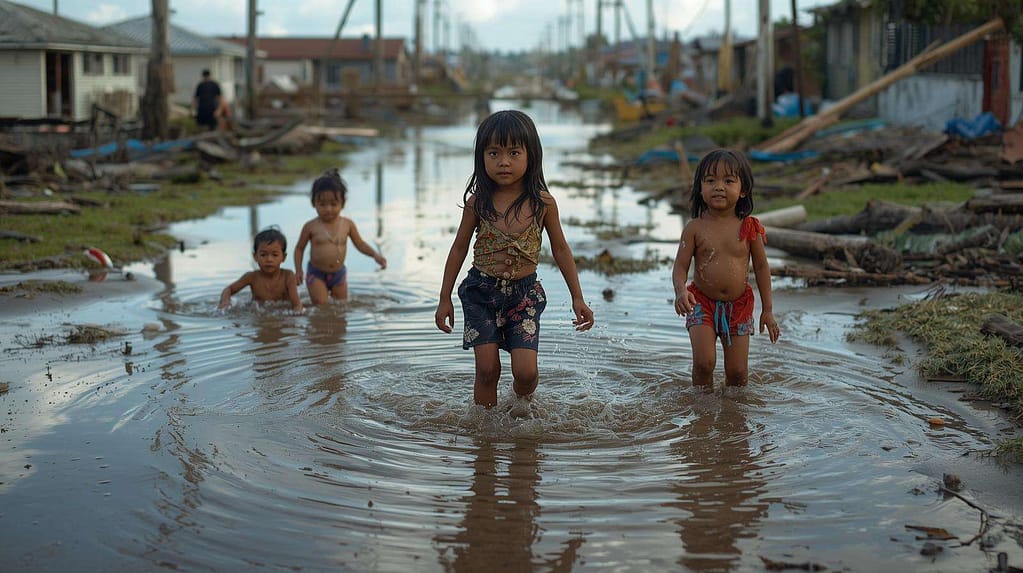
Amid the devastation, children became the most vulnerable. Many were separated from their parents during evacuations or forced to navigate the floodwaters themselves.
“I held my baby brother on my shoulder while walking through water above my knees,” says 12-year-old Ahmed from Khartoum state.
For many children, schools that once served as safe spaces were now flooded or used as temporary shelters. Toys, books, and personal belongings that provided comfort vanished in minutes. Yet, in the face of despair, their resilience shines. Groups of children formed small “survival teams,” helping one another to escape submerged homes and find food.
4️⃣ Search and Rescue: Heroes in the Water
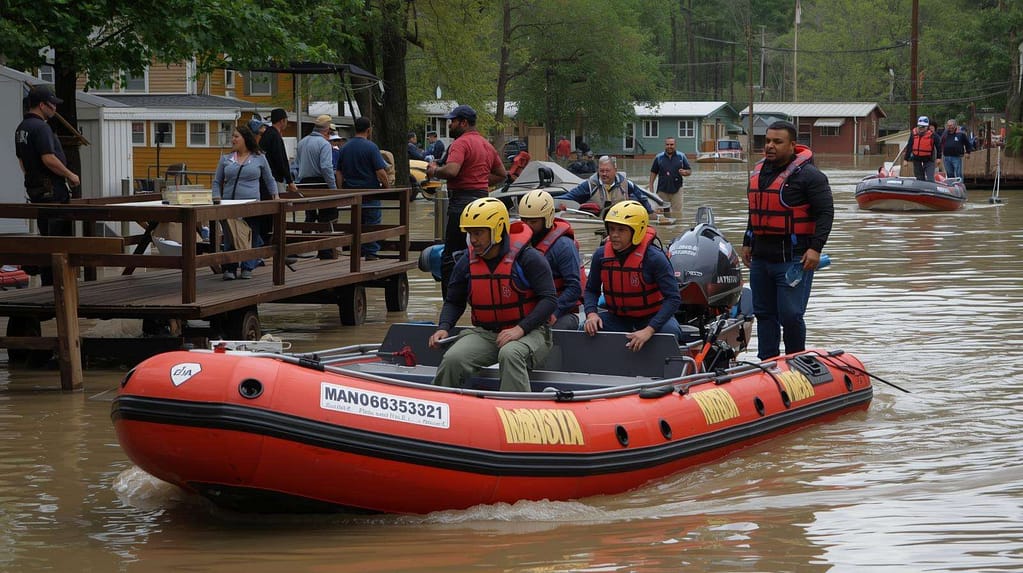
Rescue operations have become a race against time. Local authorities, volunteers, and international aid organizations coordinate by boat, helicopter, and sometimes on foot. Each rescue mission is perilous; strong currents and collapsing structures pose daily threats.
A volunteer in El Fasher describes: “Every day is a battle. We pull children and families from waterlogged homes, often with nothing more than hope and rope.”
Despite limited resources, these heroes have saved thousands. Their tireless work underscores the importance of rapid response in natural disasters, especially in regions where infrastructure is fragile.
5️⃣ Displacement and Makeshift Shelters
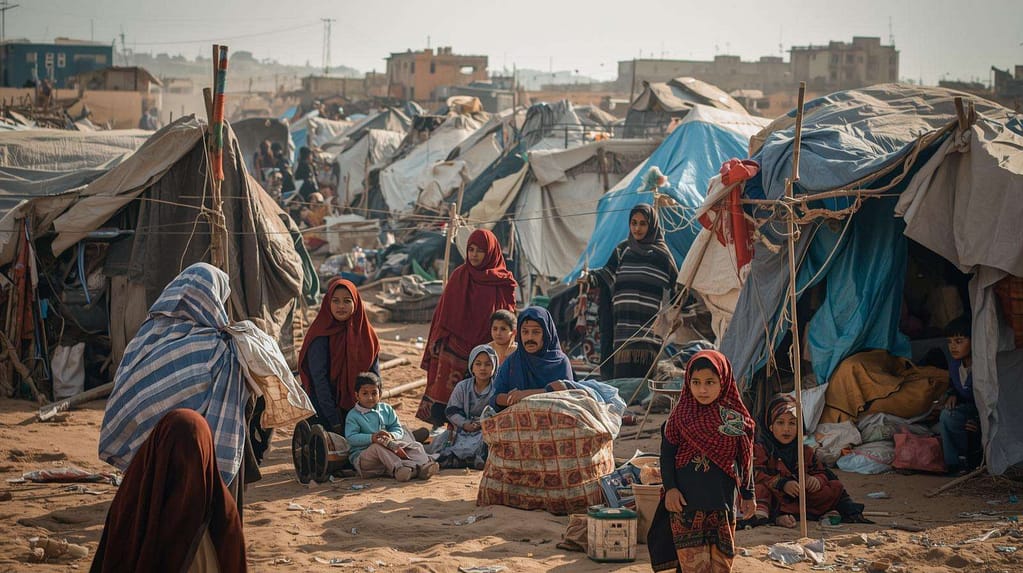
The floods have displaced over 200,000 people. Entire communities now live in temporary shelters — schools, mosques, and community centers converted into refugee camps.
Conditions are challenging. Overcrowding, limited access to clean water, and scarce medical care are constant threats. Families struggle to maintain dignity amidst plastic sheets and mud floors. Yet, in these makeshift camps, solidarity emerges. Neighbors share food, clothing, and blankets. Children help set up sleeping areas, turning chaos into small pockets of order and hope.
6️⃣ Education Interrupted: Schools Turned to Camps
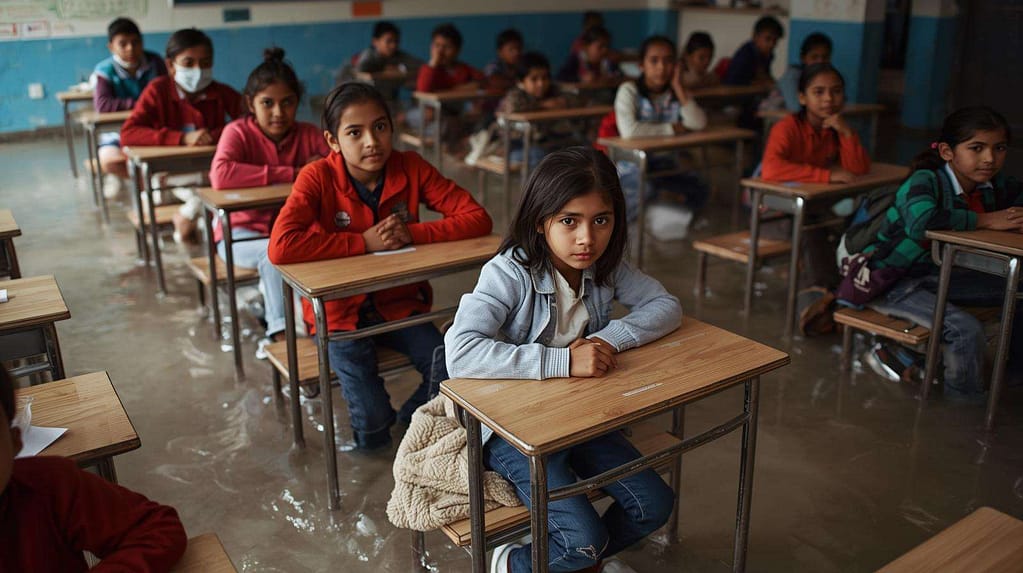
Education has been heavily disrupted. Classrooms that once fostered curiosity now house displaced families. Children sit on mats or benches while volunteer teachers attempt to continue lessons.
“We are trying to teach reading and math, but it is hard,” says Fatima, a teacher in Gedaref. “Many children are exhausted, hungry, or traumatized.”
Long-term educational disruption threatens a generation. UNICEF and local NGOs are providing temporary learning spaces, supplies, and psychological support to help children resume normalcy despite the floods.
7️⃣ Aid Arrives: Global Response to the Crisis
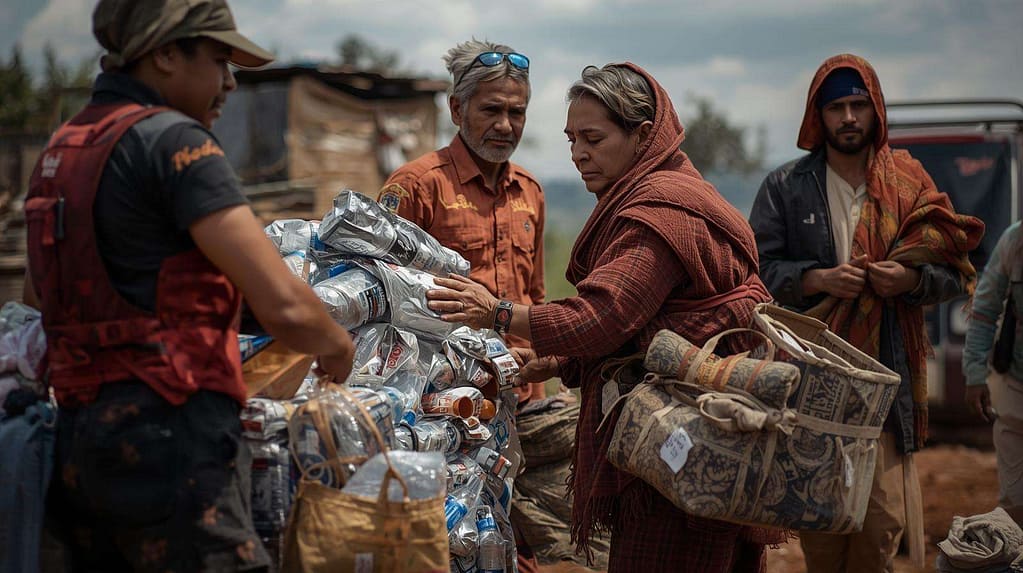
International aid organizations, including UNICEF, the Red Cross, and UN OCHA, have mobilized rapidly. Relief supplies such as food, clean water, clothing, and medical kits are being distributed, although logistics remain challenging.
Donor countries have pledged financial and material support, but access issues continue. Flooded roads, damaged bridges, and ongoing rain hamper delivery. Social media campaigns have also played a role, bringing global attention and donations to the crisis.
“Every box of food or medical kit could mean the difference between life and death,” notes an aid coordinator in Khartoum.
8️⃣ Climate Change and Floods: A Growing Threat
Experts link these unprecedented floods to changing climate patterns. Rising temperatures and irregular rainfall increase the likelihood of extreme flooding events in Sudan and across the Sahel.
Dr. Amina Elhadi, a climate scientist, warns: “Floods of this magnitude may become more frequent if global carbon emissions are not curbed. Sudan is highly vulnerable due to both geography and limited infrastructure.”
Understanding and mitigating these risks is crucial. Climate adaptation, early warning systems, and sustainable infrastructure development are key to preventing similar humanitarian disasters in the future.
9️⃣ Rebuilding Lives: Hope in the Midst of Disaster
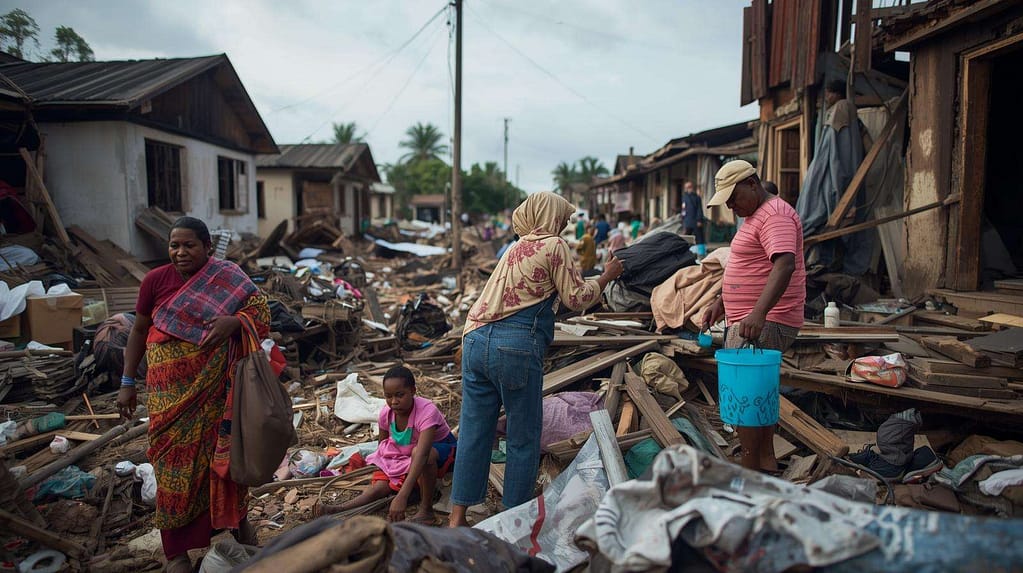
Despite devastation, communities are determined to rebuild. Local workshops repair furniture, volunteer groups reconstruct schools, and families salvage what they can to restore homes. Children, especially, show remarkable resilience — returning to makeshift schools, organizing games, and helping each other navigate flooded neighborhoods.
“We will build again,” says Salma. “Our homes may be gone, but our hearts are not.”
Stories of courage and solidarity emerge daily, offering hope amidst the despair. Relief organizations stress that long-term support, including infrastructure rebuilding, psychological aid, and education, will be crucial.
🔟 Looking Ahead: Preventing Future Flood Disasters
Sudan faces a dual challenge: coping with the immediate aftermath and preparing for future floods. Recommendations from climate and humanitarian experts include:
- Building flood-resistant housing and infrastructure.
- Establishing early warning systems and evacuation protocols.
- Integrating climate education into school curricula.
- Strengthening local governance and disaster response teams.
- Securing long-term international support for climate adaptation.
Only through coordinated action — local, national, and global — can Sudan hope to mitigate the growing threats of climate-related disasters.https://www.icrc.org/en/where-we-work/sudan