“G7 Targets Russian Oil Buyers, Tightens Sanctions”

Meta Description (158 characters):
G7 nations adopt tougher measures against buyers of Russian oil, imposing tariffs, enforcing price caps, and leveraging frozen assets to cut Moscow’s war funding.https://www.mindviewmagazine.com/
Introduction
The G7 finance ministers have unveiled a stronger sanctions plan against Russia. They will now target any country or firm that buys Russian oil. On October 1, 2025, the ministers pledged to “maximize pressure” on Moscow. Their goal is to choke off funds that support Russia’s military actions in Ukraine. This marks a key shift in using economic tools to deter aggression.
Major Shift in Sanctions Approach
First, this G7 plan breaks from past tactics. Instead of only sanctioning Russian entities, it hits third-party buyers of Russian crude. Consequently, the flow of oil revenue to Russia should shrink. Moreover, this strategy aims to keep global energy markets stable by signaling clear rules for oil trade.
After long virtual meetings, the ministers agreed that “it is time to maximize pressure on Russia’s oil exports.” They will focus on those who have increased purchases since the invasion of Ukraine. Meanwhile, they will also go after intermediaries that help hide illicit deals.

Trade Measures and Tariffs
To punish rule-breakers, the G7 will use trade barriers and higher duties. For example, the United States imposed an extra 25 percent tariff on select Indian imports. As a result, total duties on those goods now reach 50 percent. This surcharge makes it costlier to trade in discounted Russian oil. Similarly, other G7 members will review import fees on goods tied to Russian oil purchases.
These fees serve as a warning to buyers: continue trading with Russia and pay a premium at the border. Thus, the G7 hopes to push major buyers to seek oil from non-Russian sources.
Enforcing the $60 Price Cap
Since December 2022, a $60-per-barrel cap has limited payments for Russian crude. However, loopholes have weakened its impact. Now, the G7 will tighten checks on shipping documents and insurance certificates. In practice, vessels carrying Russian crude must prove compliance before docking.
Countries like Finland and Germany already require extra paperwork. If a tanker cannot verify its insurance or registry, authorities may detain it. Therefore, stronger enforcement should reduce covert oil sales below the cap.
Confronting Russia’s Shadow Fleet
What Is the Shadow Fleet?
Russia has built a “shadow fleet” of older tankers with hidden owners and flags of convenience. These ships mask their origin and slip crude past Western sanctions.
Shadow Fleet Scale and Risks
By August 2025, about 125 of 400 vessels linked to Russian oil were shadow tankers. That is roughly one in three. Moreover, many are over 20 years old and lack adequate insurance. Consequently, they pose environmental hazards and spill risks.
Global Crackdown
Europe has blacklisted over 400 such ships, and the UK has sanctioned about 500. France is probing a tanker off its coast suspected of evading sanctions. Nevertheless, the shadow fleet continues to expand, forcing regulators to adapt quickly.
Leveraging Frozen Russian Assets
Reparations Loan for Ukraine
The European Union proposes a €140 billion “reparations loan” to Ukraine. It would use frozen Russian central bank holdings as collateral. Ukraine would only repay if Russia pays war reparations for damage caused.

Size and Management of Frozen Assets
Since the invasion, Western nations have frozen about $300 billion in Russian assets. Europe holds roughly $247 billion of this sum. Most of these funds, about $217.5 billion, sit under management by Euroclear in Belgium.
Legal and Political Hurdles
Belgium, which hosts most assets, seeks risk-sharing guarantees from other EU members. France insists that any use of these assets must respect international law. In the coming weeks, EU leaders will debate the framework for this loan.
Economic Impact on Russia
Revenue Decline
Sanctions have slashed over $100 billion from Russia’s oil and gas earnings since late 2022. In 2025, energy revenues have fallen by 23 percent year-on-year.
Discounted Oil Prices
Russian crude often sells at deep discounts. In early 2023, Urals crude dropped to $45 per barrel under the price cap. As a result, Russia’s budget faced significant strain.
Circumvention Efforts
Despite losses, Russia rerouted oil to non-cap countries, boosting exports there by 67 percent. Shadow ships and document forgery help Moscow dodge rules. Therefore, the G7 views enforcement as crucial to cut revenue further.
Market and Energy Security
Oil Price Responses
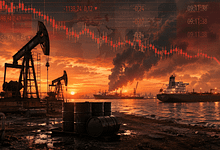
Brent crude trades around $65–67 per barrel amid sanctions talk. Traders weigh potential supply cuts against output from other producers.
Long-Term Supply Shifts
Europe plans to ban Russian liquefied natural gas by 2027. Consequently, it seeks alternative suppliers, increases storage, and accelerates renewable energy projects.
Global Coordination
Maintaining G7 Unity
While the EU lowered its cap to $47.60 per barrel, the US kept $60. This split may challenge uniform enforcement. Nevertheless, G7 members stress the need for cohesion.
Broadening the Coalition
Allies like Australia joined the price cap group. As more nations enforce these measures, Russia’s options shrink. Thus, global participation is vital.
Supporting Ukraine
Military and Financial Aid
By late 2024, Europe delivered €132 billion in military, financial, and humanitarian aid. Yet Ukraine still needs about €60 billion for 2026–27 to cover defense spending.
Reconstruction Costs
Rebuilding Ukraine could cost $524 billion over the next decade. The EU’s proposed reparations loan may ease this burden if Russia pays damages.
Future Enforcement and Technology
Advanced Monitoring
The G7 plans real-time vessel tracking using satellite data. Suspicious movements will trigger alerts. This system should speed up sanctions enforcement.
Intelligence Integration
Combining shipping data with financial records will help detect illicit oil trades. As a result, authorities can act swiftly against violators.
Conclusion
The G7’s new sanctions strategy marks a decisive escalation in economic pressure on Russia. By targeting oil buyers, enforcing price caps, and using frozen assets, the G7 aims to curb Moscow’s war funding. Success hinges on tight enforcement, unified global participation, and careful management of energy markets. In the coming months, this approach will test whether coordinated economic measures can help end the conflict in Ukraine without triggering major energy disruptions.https://www.thedailystar.net/news/world/usa/news/g7-target-those-buying-russia-oil-4000686