Estonia Invokes NATO Article 4: A Deep Dive into the Airspace Violation and Its Global Implications
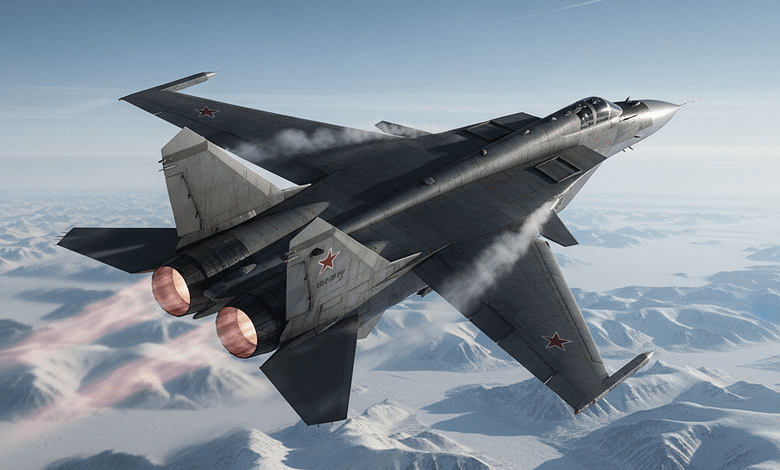
TALLINN, ESTONIA – The Republic of Estonia has taken a decisive step for Euro-Atlantic security, formally triggering NATO Article 4 consultations following a calculated violation of its airspace by two Russian MiG-31 fighter jets. This incident on September 19, 2025, marks a critical escalation, testing the alliance’s resolve on its eastern flank. This comprehensive analysis breaks down the event, the historical context, the legal ramifications, and what it means for the future of collective defense.https://www.mindviewmagazine.com/
Article Quick Navigation:
- What is NATO Article 4?
- Chronology of the Violation
- Expert Analysis
- International Reaction
- Historical Context
- FAQ
What Happened? The Chronology of a Violation
According to a detailed statement released by the Estonian Ministry of Defence and the Estonian Military Headquarters (EMHQ), the incident unfolded as follows:
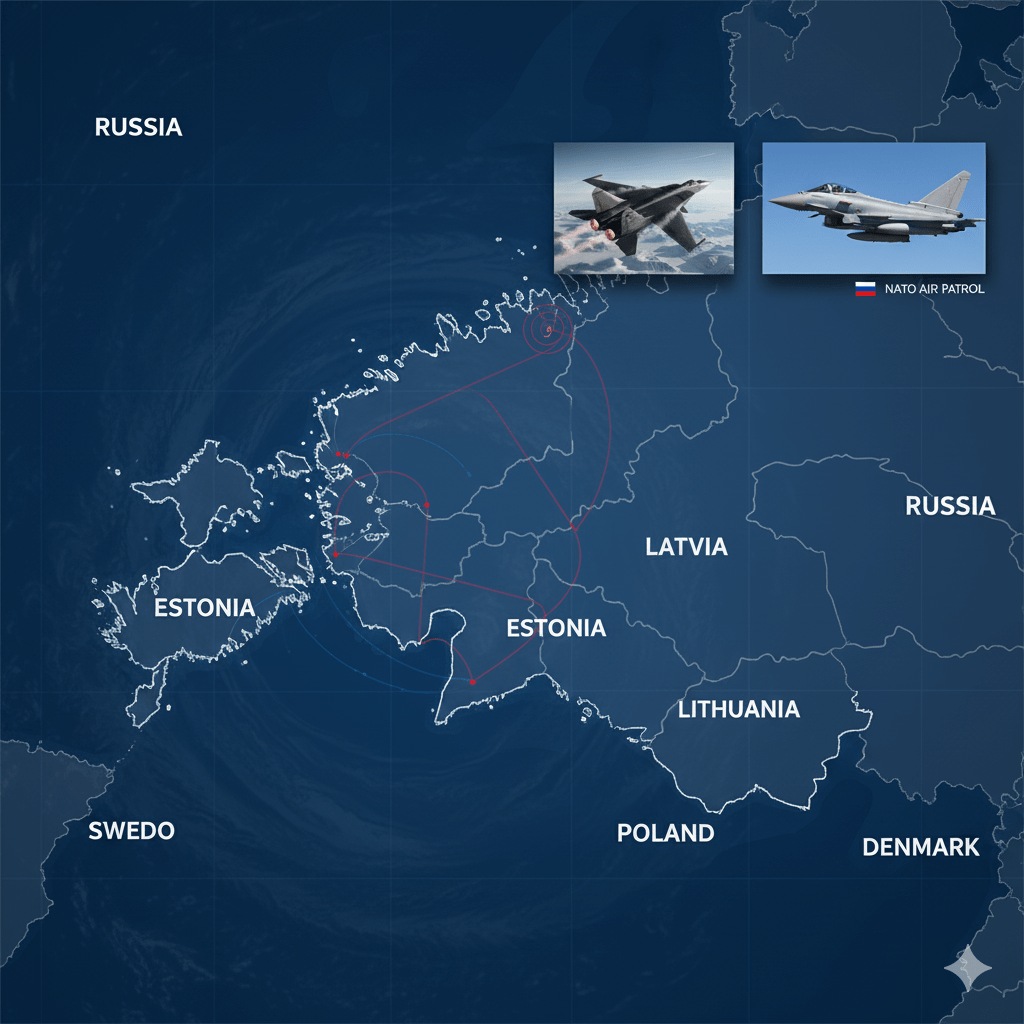
- 06:15 EEST (Eastern European Summer Time): Estonian air surveillance systems, integrated with NATO’s air policing mission, detect two high-speed aircraft approaching from the east, originating from Russian territory.
- 06:18 EEST: The aircraft are identified as Russian-made Mikoyan MiG-31 “Foxhound” interceptors. They are flying at high supersonic speed on a trajectory directly towards the Estonian border.
- 06:22 EEST: The jets cross into Estonian airspace near the Vaindloo island, a small landmass in the Gulf of Finland, north of the mainland.
- 06:23 EEST: The violation lasts for approximately one minute. The MiG-31s penetrate an estimated 2.5 kilometers into Estonian territory before turning back into Russian airspace.
- 06:25 EEST: Estonian authorities initiate emergency protocols. NATO’s Combined Air Operations Centre at Uedem, Germany, is immediately notified.
- 07:30 EEST: The Estonian Foreign Ministry summons the Chargé d’Affaires of the Russian Embassy in Tallinn to deliver a formal note of protest.
- 14:00 EEST: After a meeting of the National Security Council chaired by Prime Minister Kaja Kallas, the government announces its decision to invoke Article 4.
Revised Section: Understanding Article 4
(Changes are highlighted for your review, but would not be highlighted in the published article)
While Article 5—the collective defence clause—is well-known, Article 4 of the North Atlantic Treaty is its crucial precursor. It is invoked far less frequently, making Estonia’s move to trigger NATO Article 4 consultations highly significant.
What is Article 4?
The text of NATO Article 4 states:
“The Parties will consult together whenever, in the opinion of any of them, the territorial integrity, political independence, or security of any of the Parties is threatened.”
In practical terms, this Article 4 process means:
- A Formal Request: A member state feels threatened and formally requests consultations.
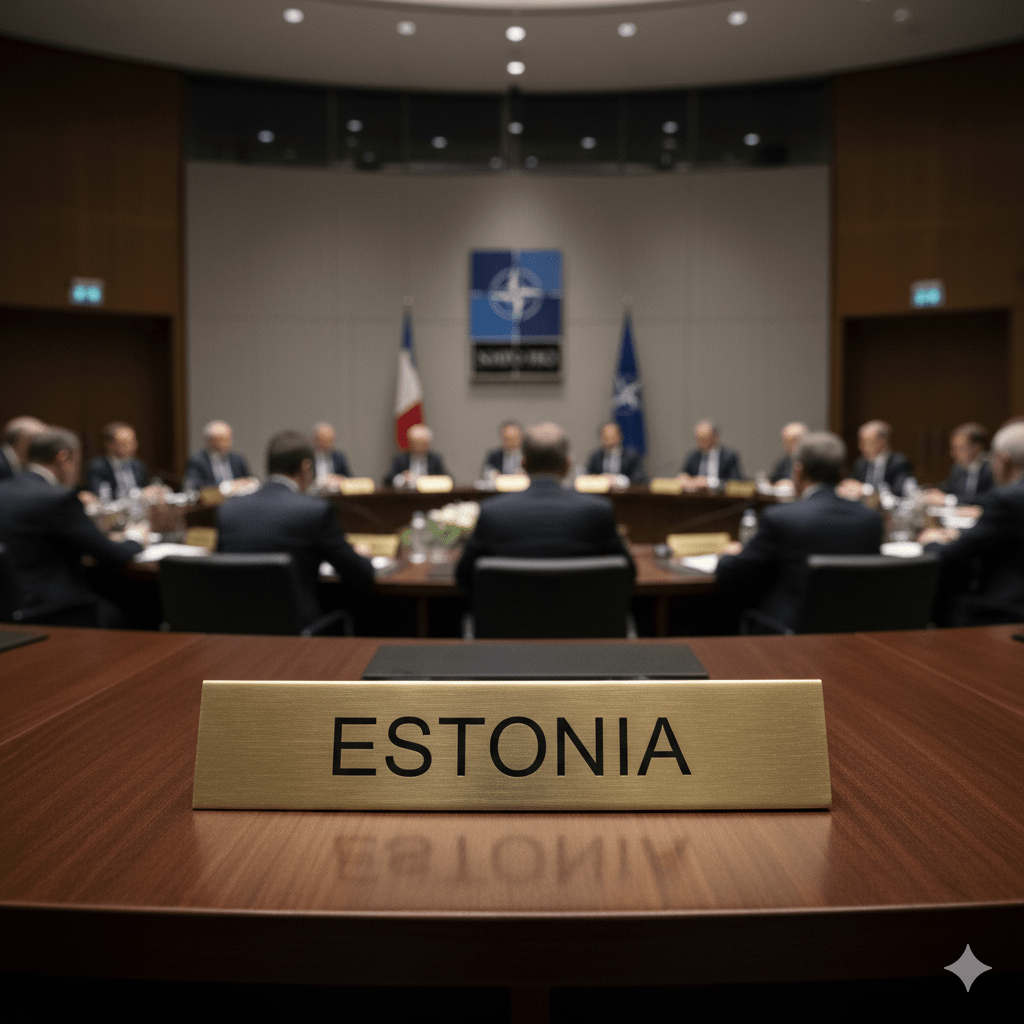
- The North Atlantic Council (NAC) Convenes: The NAC, NATO’s principal political decision-making body, meets to discuss the Article 4 request.
- Discussions and Decisions: Allies deliberate on a collective response. This is the core purpose of the NATO Article 4 mechanism: to solidify a unified stance.
Historical Precedent: The NATO Article 4 clause has been invoked several times before. Each invocation of Article 4 signals a serious concern that requires the full attention of the alliance. The decision to pursue Article 4 consultations is never taken lightly.
Additional Natural Integrations in Other Sections:
- In the Expert Analysis quote: “…By invoking Article 4, Estonia slams the brakes on that process… The Kremlin will be watching the alliance’s response to this NATO Article 4 request very closely.”
- In the Conclusion: “Estonia’s invocation of NATO Article 4 is a textbook example of how a small nation can use the alliance’s tools. The unity of the response to this Article 4 consultation will send a powerful message…”
Why Estonia? Why Now? The Geostrategic Context
To understand the gravity of this event, one must appreciate Estonia’s unique position.
- A History of Occupation: Estonia, along with Latvia and Lithuania, was forcibly incorporated into the Soviet Union from 1944 until 1991. The memory of occupation is fresh, and the fear of Russian revanchism is a central tenet of its foreign and defence policy.
- The NATO Border: Estonia is a NATO and EU member state. It shares a 294-kilometer land border with Russia and a significant maritime border on the Gulf of Finland. It is on the front line of the West’s standoff with Russia.
- The War in Ukraine: Since the full-scale invasion of Ukraine in 2022, the Baltic states have been among the strongest supporters of Kyiv, providing military aid, humanitarian assistance, and political backing. They have consistently warned that a Russian victory in Ukraine would only embolden the Kremlin to threaten other former Soviet territories, including themselves.
- A Pattern of Provocations: This is not an isolated incident. There is a long history of Russian aerial and maritime provocations in the Baltic region, including simulated attack runs on NATO ships, GPS jamming, and close passes near allied aircraft. However, an actual breach of sovereign airspace is considered a severe escalation.
The Weapon: MiG-31 “Foxhound” – More Than Just a Jet
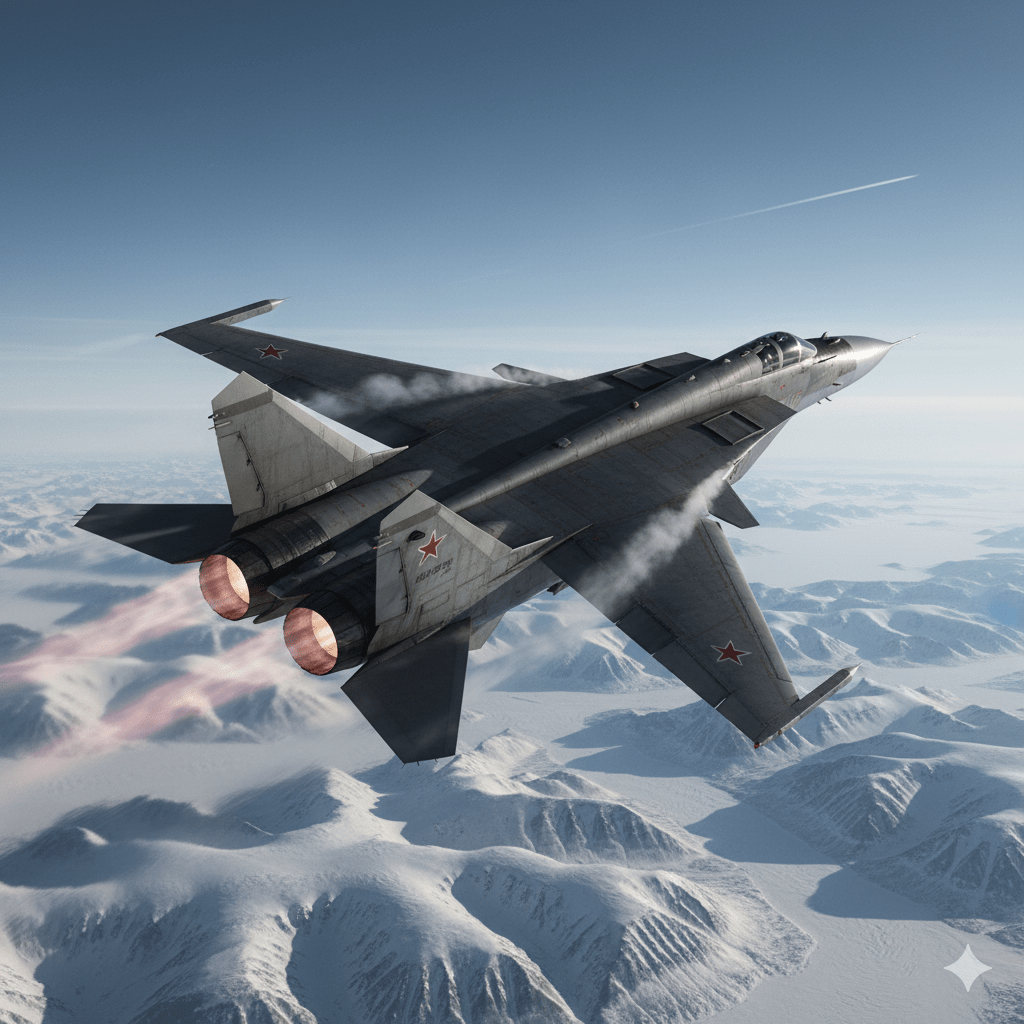
The choice of aircraft is itself a message. The MiG-31 is not a simple fighter; it is a dedicated high-altitude, high-speed interceptor, one of the fastest combat aircraft in the world.
- Capabilities: It can operate at Mach 2.83 and is designed to engage high-flying, high-speed targets like reconnaissance aircraft and bombers.
- The Kinzhal Connection: Crucially, the MiG-31 is the primary launch platform for the Kh-47M2 Kinzhal (“Dagger”) air-launched ballistic missile. This hypersonic missile has a range of over 1,500 km and has been used repeatedly in Ukraine to strike high-value targets. The presence of MiG-31s so close to NATO territory, capable of carrying such a potent weapon, is a stark reminder of Russian military capabilities.
An Estonian military analyst, speaking on background, noted, “Sending the MiG-31 is symbolic. It’s a platform designed for long-range strike. This wasn’t a training flight gone wrong; it was a calibrated demonstration of force and reach.”
The International Reaction: A Chorus of Condemnation and Solidarity
The response from NATO allies was swift and unequivocal, demonstrating the alliance’s cohesion in the face of aggression.
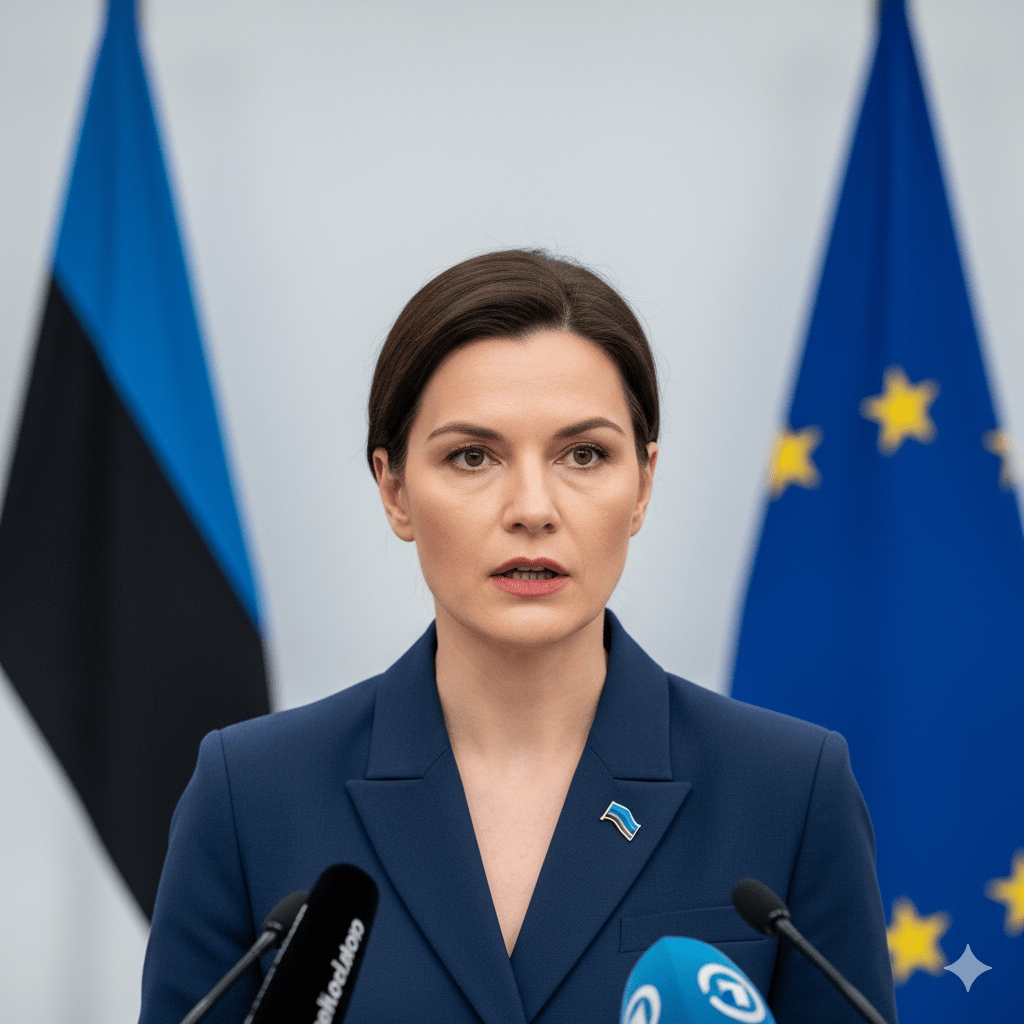
- NATO Secretary-General: “I can confirm that our ally Estonia has invoked Article 4. The North Atlantic Council will meet without delay. We stand in full solidarity with our ally Estonia. NATO remains vigilant and will always protect every inch of allied territory. This violation is a clear and unacceptable breach of international law.”
- United States: The State Department issued a statement condemning “Russia’s reckless aggression” and reaffirming its “ironclad commitment to NATO’s Article 5.” The Pentagon announced an increase in patrols by US Air Force F-35s stationed in the region.
- United Kingdom: “We stand shoulder to shoulder with Estonia, our valued NATO ally. The UK’s commitment to the collective defence of the alliance is absolute,” a Downing Street spokesperson said.
- Germany: As the current framework nation for NATO’s enhanced Forward Presence Battlegroup in Lithuania, Germany condemned the act and promised to “discuss further strengthening our air policing measures.”
- France, Poland, and the Baltic States (Latvia & Lithuania) all issued strong statements of support, with Latvia and Lithuania noting similar, though less severe, recent increases in Russian aerial activity near their borders.
The Russian Response: Denial and Deflection
As expected, the Russian government offered a contradictory narrative. The Russian Ministry of Defence denied any airspace violation, calling the Estonian claims “a baseless provocation aimed at whipping up anti-Russian hysteria.”
A spokesperson for the ministry stated, “All flights by Russian Aerospace Forces aircraft are conducted in strict accordance with international rules over neutral waters without violating the borders of other states.” This tactic of denial is a standard part of the Kremlin’s hybrid playbook, creating confusion and attempting to delegitimize the claims of smaller nations.
Beyond the Headlines: The Deeper Implications
This event is more than a one-minute flight; it is a data point in a much larger and more dangerous strategic contest.
- Testing NATO’s Resolve: Russia is likely probing for weaknesses. By provoking Estonia, it tests how quickly and decisively NATO can rally. A weak or divided response would be a major strategic win for Moscow.
- Hybrid Warfare Tactic: Such provocations are designed to create a constant state of tension, forcing NATO to expend resources on constant vigilance. It is a form of psychological and political warfare intended to fatigue the alliance.
- Domestic Russian Narrative: For a domestic audience, such acts can be portrayed as Russia standing strong against a hostile West, projecting strength and defiance.
- The Shadow of Ukraine: Every action is viewed through the lens of the war. A provocation against a NATO member could be a distraction from events in Ukraine, or an attempt to dissuade further Western support for Kyiv by raising the specter of a wider conflict.
What Happens Next? Potential Outcomes of the Article 4 Consultations
The NAC meeting will not result in a military response—that is reserved for Article 5. However, it will almost certainly lead to concrete actions to bolster deterrence:
- Enhanced Air Policing: A immediate and visible increase in NATO fighter jet patrols over the Baltic states. This could involve assigning additional aircraft to the mission or extending the tours of existing detachments.
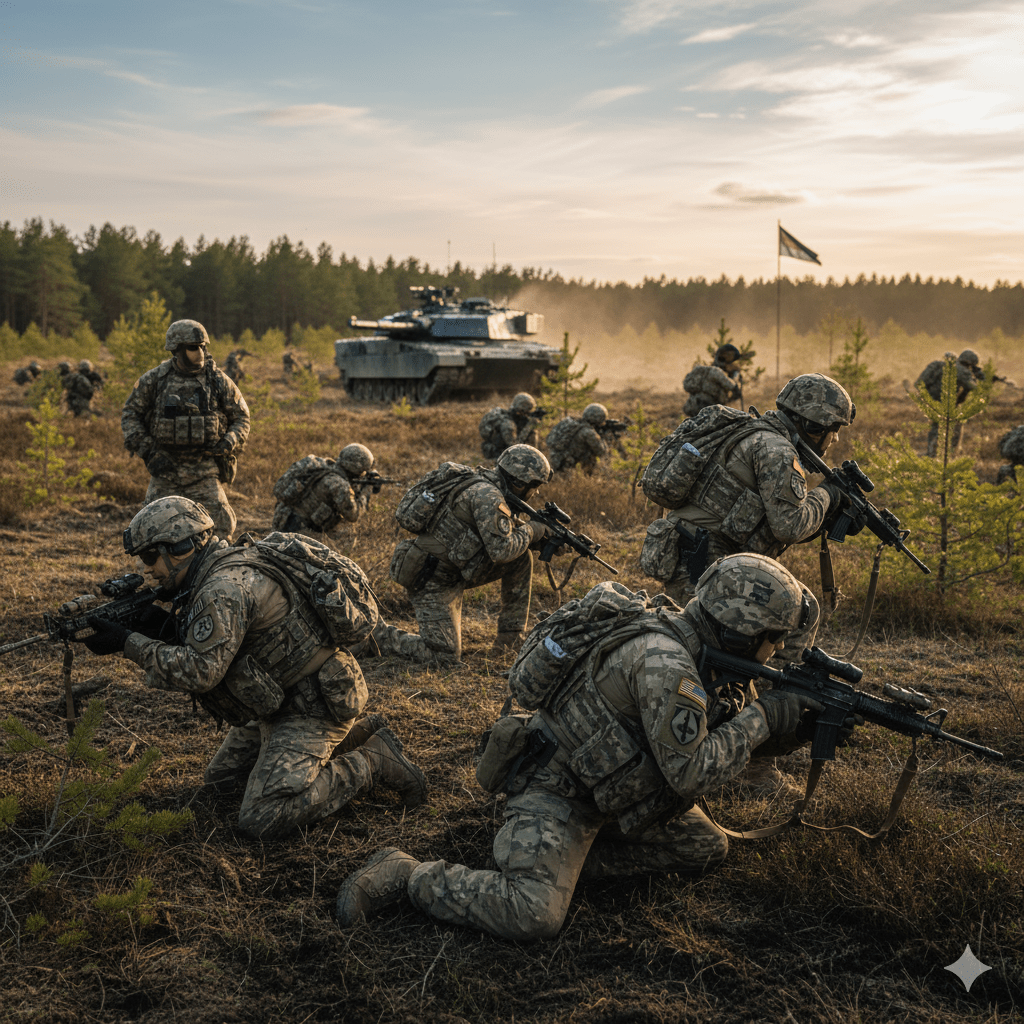
- Reinforcement of Ground Forces: A discussion on increasing the size and capabilities of the multinational NATO battlegroups stationed in Estonia, Latvia, Lithuania, and Poland (the eFP mission).
- Increased Intelligence Sharing: Deepening the integration of intelligence, surveillance, and reconnaissance (ISR) assets over the Baltic Sea and Eastern Europe.
- Diplomatic Demarches: A coordinated effort by all NATO allies to condemn Russia at international forums like the Organization for Security and Co-operation in Europe (OSCE) and the United Nations.
- Long-Term Defence Planning: Accelerating plans to improve air defence infrastructure in the region, including the potential deployment of more advanced missile defence systems.

Expert Analysis: A Calculated Risk
We spoke to Dr. Anna Bergman, a Senior Fellow for Security Studies at the International Centre for Defence and Security in Tallinn.
“Estonia’s decision to invoke Article 4 was precisely the correct response. It is measured, it is legal, and it is political. It forces the entire alliance to look at the threat and respond collectively, rather than leaving Estonia to face Russian pressure alone. This is what NATO is for.”
“Russia’s goal is normalization. They want these provocations to become so common that the West eventually grows tired of responding. By invoking Article 4, Estonia slams the brakes on that process and says, ‘This is not normal. This will not be tolerated.’ The Kremlin will be watching the alliance’s response very closely. Any sign of hesitation or division will be exploited.”
A History of Provocations: This Was Not the First Time
To contextualize this event, it is critical to understand it is part of a long-standing pattern:
- 2022: A Russian helicopter violated Estonian airspace near the same area (Vaindloo island).
- Multiple Incidents: Numerous close passes of Russian jets near NATO air patrols over the Baltic and Black Seas, often deemed “unsafe and unprofessional” by NATO.
- GPS Jamming & Spoofing: Frequent electronic warfare attacks that disrupt navigation for civilian aviation and maritime traffic in the region.
- 2020: A major cyberattack attributed to Russian state hackers targeted Estonian government institutions.
The Human Element: Life on the NATO-Russia Frontier
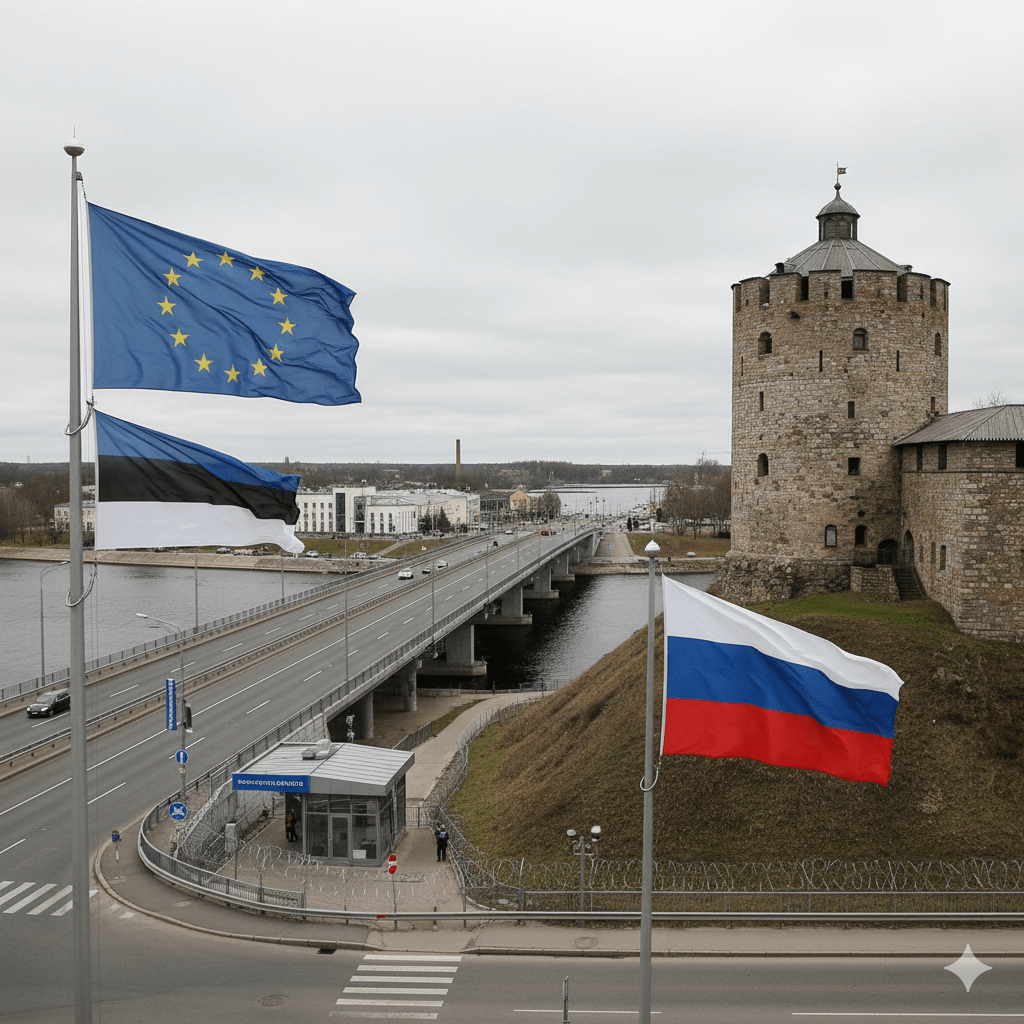
For the citizens of Estonia, particularly those living in border regions, these events are not abstract geopolitical games. They are a stark reminder of their geographical reality.
“I heard the sonic boom. The windows shook. For a moment, your heart stops. You remember the history, you see the news from Ukraine, and you can’t help but feel a chill,” said Mari Kivi, a resident of Narva, a city directly on the Estonian-Russian border. “But then you see the news that NATO is meeting, that our allies are speaking up, and you feel a sense of security. We are not alone.”
This sentiment captures the dual reality of life in the Baltics: the ever-present anxiety of living next to a aggressive power, and the profound reassurance provided by membership in a defensive alliance that, so far, has proven steadfast.
Conclusion: A Firm Response and a Watchful Eye
Estonia’s invocation of NATO’s Article 4 is a textbook example of how a small nation can use the tools of a multinational alliance to respond to aggression. It is a move of strength, not weakness, demonstrating a firm commitment to the rules-based international order.
The coming days will be crucial. The unity and decisiveness of NATO’s response will send a powerful message to Moscow about the costs of further escalation. While the alliance seeks to avoid direct conflict, it must also demonstrate that it will not be intimidated or coerced. The skies over the Baltic Sea will remain the most watched airspace in the world, a barometer for the temperature of a new Cold War.
The violation of Estonian airspace is a reminder that peace in Europe cannot be taken for granted. It is maintained daily through deterrence, vigilance, and the unwavering promise that an attack on one is an attack on all.https://www.theguardian.com/world/live/2025/sep/19/eu-sanctions-russia-oil-ukraine-vladimir-putin-volodymyr-zelenskyy-donald-trump-france-macron-europe-live-news?utm_source=chatgpt.com