
Makaron z Truskawkami: Poland’s Sweet Strawberry Pasta That’s Going Viral Worldwide
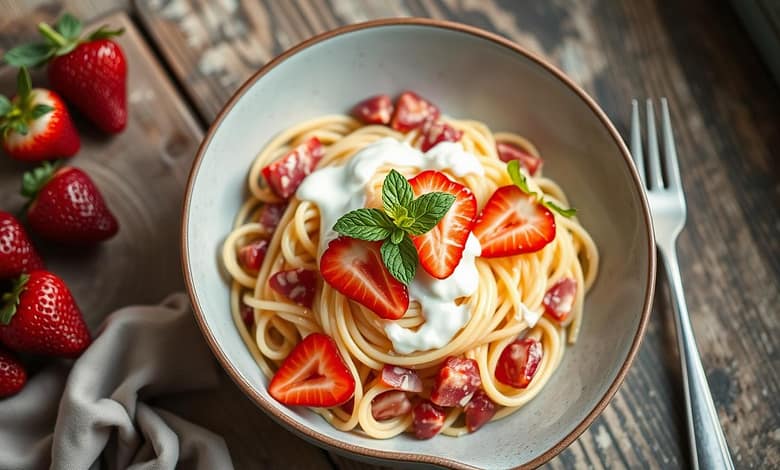
A surprising culinary trend is sweeping across TikTok and Instagram: pasta topped with strawberries. But this isn’t some new fusion experiment – it’s “Makaron z Truskawkami” (literally “pasta with strawberries”), a beloved Polish comfort food that’s been delighting generations long before social media existed. This simple yet captivating dish combines tender pasta with sweet strawberries and cream, creating a dessert-like meal that’s both nostalgic for Poles and intriguingly novel for international food enthusiasts. As #StrawberryPasta and #MakaronzTruskawkami rack up millions of views, let’s explore the authentic story behind this viral sensation.
Origins & Cultural Context
Makaron z Truskawkami has deep roots in Polish home cooking, emerging as a practical way to celebrate the abundant strawberry harvest that arrives each summer. Unlike elaborate desserts requiring special skills or equipment, this dish embodies the Polish culinary philosophy of simplicity and seasonality. It’s a perfect example of “obiad na słodko” (sweet lunch) – a uniquely Polish concept of serving sweet dishes as main meals rather than desserts.
For many Poles, this dish evokes powerful memories of childhood summers spent at grandma’s house, where the sweet aroma of fresh strawberries would fill the kitchen. Polish tennis star Iga Świątek has even mentioned it as her favorite comfort food, connecting her to home while competing internationally. This nostalgic quality explains why many Polish food bloggers describe it not just as a recipe, but as “smak dzieciństwa” – the taste of childhood.

The Classic Recipe
What makes Makaron z Truskawkami so appealing is its beautiful simplicity. With just a handful of ingredients and minimal preparation time, you can create a dish that’s both comforting and refreshing – perfect for warm summer days when cooking elaborate meals feels too demanding.
Ingredients
- 250g egg pasta (tagliatelle, pappardelle, or wide noodles work best)
- 500g fresh strawberries (frozen can work in off-season)
- 400g sour cream or natural yogurt
- 2-3 tablespoons sugar or honey
- Optional: vanilla extract, lemon juice, mint leaves for garnish
Preparation Method
- Cook the pasta according to package instructions in lightly salted water until al dente.
- While the pasta cooks, wash, hull, and slice the strawberries.
- In a bowl, gently mash about half the strawberries with a fork, leaving some chunks for texture.
- Mix the mashed strawberries with sugar or honey and let them macerate for 5-10 minutes.
- Stir in the sour cream or yogurt to create a creamy strawberry sauce.
- Drain the cooked pasta (don’t rinse) and divide among serving bowls.
- Top generously with the strawberry cream mixture and garnish with remaining fresh strawberry slices and mint leaves if desired.

Regional and Modern Variations
While the classic recipe remains beloved, creative variations have emerged both in Poland and internationally as the dish gains popularity:
Traditional Polish
The most authentic version uses wide egg noodles (often homemade), sour cream, and sometimes includes farmer’s cheese (twaróg) for added richness and protein.

Vegan Adaptation
Plant-based versions substitute egg-free pasta and coconut yogurt or cashew cream for the dairy components, often adding a touch of lemon zest for brightness.

Gourmet Twist
Upscale interpretations incorporate balsamic reduction, mascarpone instead of sour cream, and additional toppings like toasted almonds or pistachios for texture contrast.

Why It’s Trending Globally
The recent viral status of Makaron z Truskawkami can be attributed to several factors that make it perfectly suited for social media success:
Visual Appeal
The vibrant red strawberries against creamy white sauce and golden pasta create an instantly eye-catching dish that stands out in social feeds. Food content creators have embraced its photogenic qualities, with #StrawberryPasta videos garnering over 15 million views on TikTok alone.
Unexpected Combination
The sweet-savory contrast challenges culinary expectations, creating the perfect “reaction content” as international food enthusiasts try it for the first time on camera. This element of surprise drives shares and comments.
Simplicity Factor
In an era of complicated cooking trends, the straightforward preparation appeals to beginners and busy home cooks looking for quick, impressive dishes. Most videos emphasize how it can be made in under 15 minutes with minimal ingredients.
Cultural Discovery
As interest in global cuisines grows, food enthusiasts are eager to discover authentic dishes beyond the familiar Polish exports like pierogi. This represents a deeper exploration of Polish culinary traditions.

Cultural Significance in Polish Cuisine
To understand Makaron z Truskawkami fully, it helps to place it within the broader context of Polish culinary traditions:

Sweet Main Courses
Poland has a unique tradition of serving sweet dishes as main courses, especially during summer. This category includes fruit-filled pierogi, naleśniki (crepes with sweet fillings), and various fruit soups. Makaron z Truskawkami fits perfectly within this tradition of “sweet dinners” that might seem unusual to those accustomed to strictly savory main courses.
Seasonal Celebration
The dish represents Poland’s deep connection to seasonal eating. When strawberry season arrives (typically June in Poland), this dish appears on family tables across the country as a way to celebrate nature’s bounty. Similar dishes are made with other seasonal fruits like blueberries or cherries when they’re at their peak.
Economical Roots
Like many beloved traditional dishes worldwide, Makaron z Truskawkami has practical origins. It emerged as an affordable, filling meal that made the most of seasonal produce while requiring minimal cooking during hot summer days. This practicality continues to be part of its appeal today.
What Food Experts Are Saying
“Makaron z Truskawkami perfectly exemplifies how Polish cuisine celebrates simplicity and seasonality. It’s not trying to be fancy – it’s honest food that connects generations through shared experience.”
“The viral spread of this dish shows how social media can shine a spotlight on authentic cultural foods rather than just gimmicky creations. It’s introducing the world to a genuine piece of Polish culinary heritage.”
“What fascinates me about Makaron z Truskawkami is how it challenges Western notions of what constitutes a ‘proper meal.’ It reminds us that culinary rules are cultural constructs, not universal truths.”

Frequently Asked Questions
Is Makaron z Truskawkami served hot or cold?
It’s typically served warm or at room temperature, with the pasta freshly cooked and the strawberry mixture cool or slightly chilled. The temperature contrast is part of its appeal. However, some people enjoy it completely chilled, especially on very hot days.
Can I use frozen strawberries when fresh aren’t in season?
Absolutely! While fresh strawberries provide the best texture and flavor, frozen strawberries work well too. Just thaw them completely first and be aware they may release more liquid. Many Polish families make this dish year-round using frozen summer strawberries.
What pasta shape works best for this dish?
Traditional recipes typically use wide, flat pasta like pappardelle or tagliatelle, which provides good surface area for the sauce. However, many Polish families use whatever pasta they have on hand – bowties (farfalle), spirals (fusilli), or even spaghetti can work. The key is to cook it al dente so it maintains some texture.
Is this really a main course or more of a dessert?
In Polish cuisine, it’s traditionally served as a main course for lunch or a lighter dinner, especially in summer. However, outside Poland, many people prefer to enjoy it as a dessert or sweet brunch dish. There are no rules – enjoy it however you prefer!
A Taste of Polish Summer, Wherever You Are
Makaron z Truskawkami represents more than just an unusual food combination – it’s a window into Polish culture, a celebration of seasonal abundance, and a reminder that sometimes the most memorable dishes are also the simplest. As this humble pasta dish continues its journey from Polish grandmothers’ kitchens to global social media fame, it carries with it stories of summer days, family traditions, and the universal language of comfort food.
Whether you’re Polish and nostalgic for a taste of home, or simply an adventurous eater curious about this viral sensation, Makaron z Truskawkami offers a delicious way to connect with a culinary tradition that has brought joy to generations. So next time strawberries are in season, consider skipping the strawberry shortcake and trying this unique Polish approach instead – your taste buds might just discover a new favorite!




Join the Global Makaron z Truskawkami Movement
The beauty of this dish lies not just in its flavor but in its ability to connect people across cultures. As it continues to gain international attention, home cooks worldwide are putting their own spin on this Polish classic while appreciating its authentic roots.
Ready to try it yourself? Summer strawberry season offers the perfect opportunity to experience this unique culinary tradition. Whether you stick to the classic recipe or create your own variation, you’ll be participating in a culinary tradition that spans generations.
Share Your Creation!
Make your own Makaron z Truskawkami and share a photo on social media with the hashtags #MakaronzTruskawkami and #PolishSummerDessert. Join thousands of food enthusiasts discovering this delightful Polish tradition!
Jump to Recipe