Cowboy Butter: The Unexpected Cooking Trend Taking Over

The culinary world has been taken by storm by a new and exciting trend: cowboy butter. This compound butter, infused with a mix of savory and spicy flavors, has become a must-have ingredient for home cooks across America.
The sudden rise to fame of cowboy butter can be attributed to its versatility and rich flavor profile. It’s not just a condiment, but a game-changer for various dishes, from grilled meats to vegetables.
As the cowboy butter food craze continues to sweep the nation, it’s clear that this trend is more than just a fleeting fad. With its unique blend of flavors, cowboy butter is here to stay.
Key Takeaways
- Cowboy butter is a compound butter with a mix of savory and spicy flavors.
- It’s a versatile ingredient that can be used in various dishes.
- The trend is driven by its rich flavor profile and ease of use.
- Cowboy butter is becoming a staple in many American kitchens.
- It’s a game-changer for grilled meats and vegetables.
What Exactly Is Cowboy Butter?
Cowboy butter has taken the culinary world by storm, but what exactly is it? At its core, cowboy butter is a compound butter that combines high-quality butter with various ingredients to create a rich, flavorful spread.
The Definition and Basic Components
Cowboy butter typically consists of softened butter mixed with herbs, spices, and sometimes garlic or citrus zest. The basic components can vary, but the goal is to enhance the butter’s natural flavor with complementary ingredients.
How It Differs from Regular Compound Butters
What sets cowboy butter apart is its specific blend of flavors, often including a mix of savory, spicy, and tangy elements. Unlike regular compound butters that might focus on a single flavor profile, cowboy butter is known for its complex taste.
Flavor Profile Comparison
The flavor profile of cowboy butter is robust and multifaceted, often featuring notes of garlic, parsley, chives, and a hint of spice. In comparison, regular compound butters might have a more straightforward flavor, such as garlic butter or herb butter.
Texture and Consistency
Cowboy butter is typically soft and spreadable, making it easy to use on bread, meats, or vegetables. The texture can vary depending on the ingredients used and the temperature at which it’s stored.
| Feature | Cowboy Butter | Regular Compound Butter |
|---|---|---|
| Flavor Profile | Complex, with multiple notes | Often single-flavor focused |
| Texture | Soft and spreadable | Can vary, often firmer |
| Ingredients | Mix of herbs, spices, and sometimes citrus or garlic | Typically fewer ingredients, focused on one flavor |
The Origin Story: Where Did Cowboy Butter Come From?
To understand the rise of cowboy butter, we must first look at its historical roots in ranch cooking. The concept of compound butters, which cowboy butter is a part of, has been around for centuries, with various cultures adding their own twist by mixing butter with herbs, spices, and other ingredients to enhance flavor.
Historical Roots in Ranch Cooking
Cowboy butter originated in the rugged American West, where ranch hands needed high-calorie, flavorful foods to sustain them throughout the day. They created a compound butter by mixing softened butter with ingredients like garlic, herbs, and spices, which they could easily spread on bread or use to cook their meals over campfires.

Modern Revival and Adaptation
The modern revival of cowboy butter can be attributed to the growing interest in home cooking and the influence of social media platforms like TikTok and Instagram, where recipes and cooking techniques are shared widely. Chefs and home cooks began experimenting with traditional compound butter recipes, adapting them to modern tastes.
From Campfire to Kitchen Counter
The transition of cowboy butter from campfire cooking to modern kitchen counters is a testament to its versatility and flavor. Today, cowboy butter is used not just for cooking meats but also for enhancing vegetables, bread, and other dishes.
| Key Ingredients | Traditional Use | Modern Adaptation |
|---|---|---|
| Butter | Campfire cooking | Pan-searing |
| Garlic | Flavor enhancement | Marinades and sauces |
| Herbs and Spices | Regional flavor profiles | Global cuisine inspirations |
Why Everyone Is Obsessed with Cowboy Butter Right Now
As a condiment that’s both luxurious and easy to make, cowboy butter has won over the hearts of food enthusiasts across the United States. Its sudden rise to fame can be attributed to several factors that have converged to make it a staple in many kitchens.
Social Media Frenzy
The TikTok and Instagram explosion has played a significant role in cowboy butter’s popularity. Short, engaging videos showcasing its preparation and use have captivated audiences, making it a viral sensation. Users can’t get enough of the creamy, flavorful butter, and the hashtag #cowboybutter has garnered millions of views.
Celebrity chefs and influencers have also jumped on the bandwagon, endorsing cowboy butter and sharing their own recipes. This endorsement from culinary authorities has further propelled its popularity, introducing cowboy butter to a wider audience.
Pandemic Cooking Renaissance
The COVID-19 pandemic has seen a significant surge in home cooking, with people looking for new and exciting recipes to try. Cowboy butter, with its rich flavor and versatility, has fit perfectly into this trend. It’s become a go-to ingredient for those looking to elevate their dishes without much fuss.
- Easy to make at home
- Versatile in its applications
- Rich, complex flavor profile
As the culinary world continues to evolve, cowboy butter remains at the forefront, a testament to the power of social media and the resurgence of home cooking. Its ability to enhance a variety of dishes has made it a favorite among many, and its popularity shows no signs of waning.
The Classic Cowboy Butter Recipe
Making cowboy butter at home is surprisingly simple and requires just a few ingredients. This flavorful compound butter can elevate a variety of dishes, from grilled meats to roasted vegetables.
Essential Ingredients List
To make the classic cowboy butter, you’ll need the following ingredients:
- 1/2 cup (1 stick) unsalted butter, softened
- 2 cloves garlic, minced
- 1 tablespoon freshly chopped parsley
- 1 tablespoon freshly chopped chives
- 1/2 teaspoon smoked paprika
- 1/4 teaspoon cayenne pepper (optional)
- Salt and pepper to taste
Step-by-Step Preparation Guide
Follow these simple steps to make your own cowboy butter:
- In a medium bowl, combine the softened butter, minced garlic, chopped parsley, chives, smoked paprika, and cayenne pepper (if using).
- Mix until all the ingredients are well incorporated.
- Season with salt and pepper to taste.
- Transfer the mixture to a piece of parchment paper or plastic wrap.
- Shape into a log and refrigerate until firm, about 30 minutes.
Equipment You’ll Need
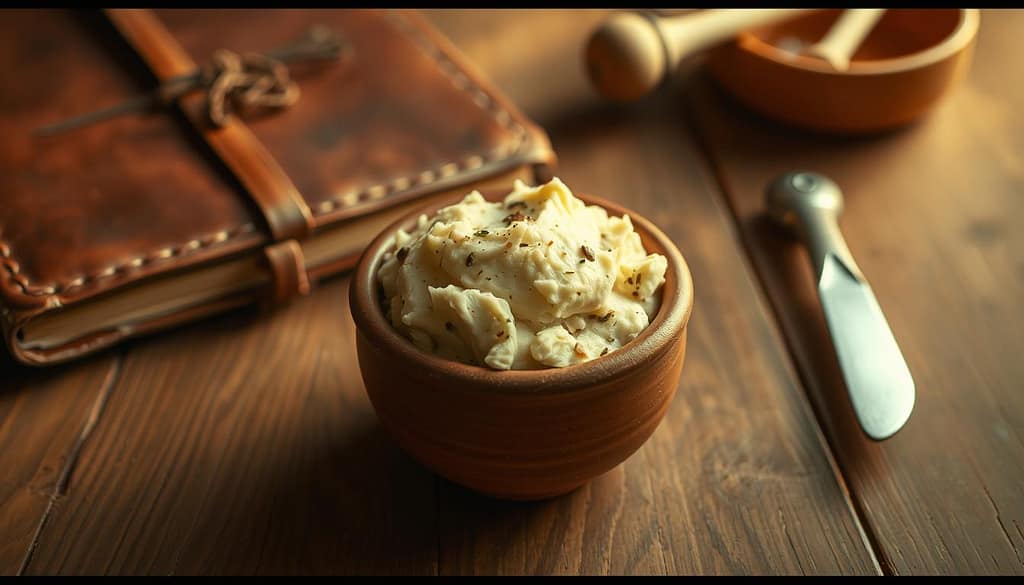
To make this easy cowboy butter recipe, you’ll need a few basic kitchen tools:
- A medium bowl
- A mixing spoon or spatula
- Parchment paper or plastic wrap
- A refrigerator to chill the butter
By following this best cowboy butter recipe, you’ll have delicious homemade cowboy butter ready to use in your favorite dishes.
Nutritional Profile: What’s Really in Your Cowboy Butter?
Understanding the nutritional profile of Cowboy Butter is essential for those looking to incorporate it into their diet. Cowboy Butter, known for its rich flavor, is a compound butter made from a mixture of butter and various herbs and spices.
Caloric and Fat Content Breakdown
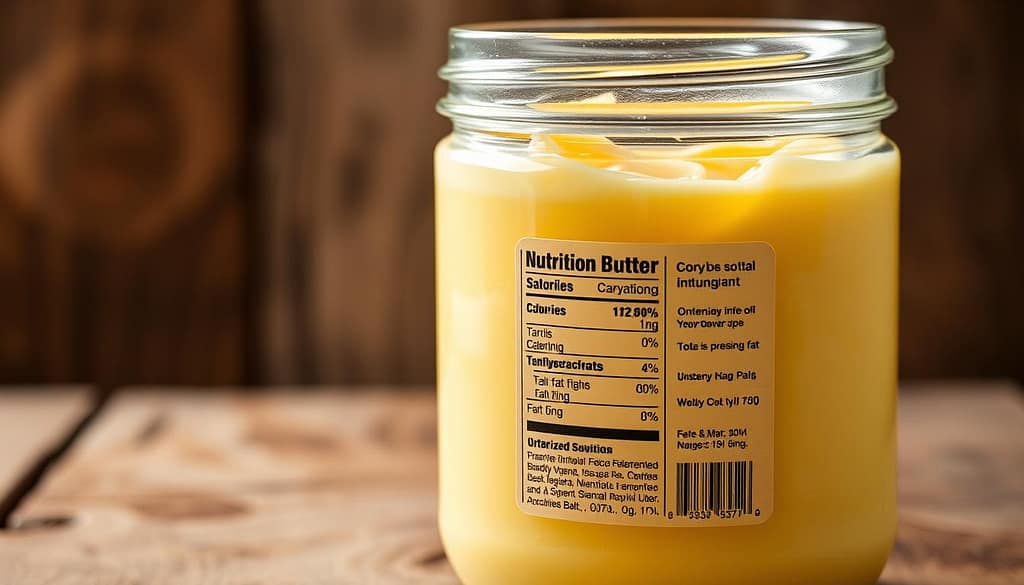
Cowboy Butter is primarily composed of butter, which is high in calories and fat. A typical serving size (about 1 tablespoon or 14g) contains approximately 100 calories and 12g of fat, of which some is saturated. The exact nutritional content can vary based on the specific ingredients and their proportions used in the recipe.
Potential Health Benefits from Herbs and Spices
The herbs and spices in Cowboy Butter, such as garlic, parsley, and chives, not only add flavor but also provide potential health benefits. These ingredients contain antioxidants and have anti-inflammatory properties. For instance, garlic is known for its cardiovascular benefits, while parsley is rich in vitamins A and C.
Dietary Considerations and Substitutions
For individuals with dietary restrictions, Cowboy Butter can be adapted. Those watching their fat intake might consider using a lower-fat butter or alternative spreads. Additionally, substituting certain herbs and spices can help tailor the flavor and nutritional profile to individual needs. For example, using less salt or opting for salt-free seasoning blends can reduce sodium content.
By being mindful of the ingredients and their proportions, Cowboy Butter can be a flavorful addition to a balanced diet.
6 Mouthwatering Variations of Cowboy Butter
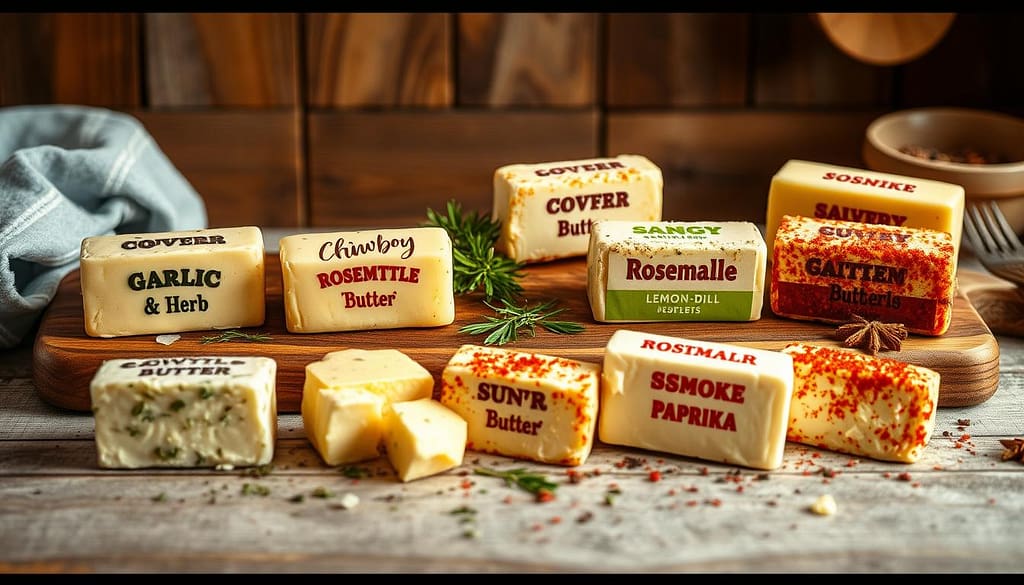
With its rich, buttery base, cowboy butter is being reinvented in countless ways, making it a staple for adventurous cooks. The versatility of cowboy butter allows for a wide range of flavors, from spicy and smoky to sweet and tangy, ensuring there’s a variation to suit every taste.
Spicy Jalapeño Cowboy Butter
Add a kick to your dishes with Spicy Jalapeño Cowboy Butter. This variation incorporates diced jalapeños and a hint of lime juice, creating a spicy and tangy flavor profile. It’s perfect for grilled meats or as a dip for bread.
Mediterranean Herb Cowboy Butter
Transport your taste buds to the Mediterranean with this herb-infused cowboy butter. Featuring a blend of oregano, thyme, and parsley, it adds a fresh and aromatic touch to seafood, vegetables, or bread.
Smoky Chipotle Cowboy Butter
For those who love a smoky flavor, Smoky Chipotle Cowboy Butter is a must-try. Chipotle peppers in adobo sauce give this variation its deep, smoky taste, ideal for enhancing grilled meats or roasted vegetables.
Citrus-Infused Cowboy Butter
Brighten up your dishes with Citrus-Infused Cowboy Butter, featuring a zesty mix of lemon and orange zest. This refreshing twist is perfect for seafood, poultry, or as a spread on toast.
Sweet Honey Cowboy Butter
Sweet Honey Cowboy Butter offers a delightful contrast to the savory versions. By incorporating pure honey, it creates a sweet and savory blend that’s great on biscuits, cornbread, or as a glaze for meats.
Garlic Parmesan Cowboy Butter
Last but not least, Garlic Parmesan Cowboy Butter is a decadent treat for those who love rich, savory flavors. With a generous amount of garlic and Parmesan cheese, it’s a perfect accompaniment to pasta, bread, or roasted vegetables.
These six mouthwatering variations of cowboy butter showcase its incredible versatility, allowing home cooks to experiment and find their perfect flavor. Whether you’re looking to spice up your meals or add a new dimension to your cooking, cowboy butter is sure to become a kitchen staple.
12 Delicious Ways to Use Cowboy Butter in Your Cooking
With its rich blend of herbs and spices, cowboy butter can transform a variety of meals. Whether you’re grilling, roasting, or sautéing, this compound butter adds a depth of flavor that’s hard to beat. Here are some delicious ways to incorporate cowboy butter into your cooking routine.
Transforming Grilled Steaks and Meats
Cowboy butter is a game-changer for grilled meats. Simply melt a tablespoon or two on top of a freshly grilled steak or chop, and watch as the flavors meld together. The herbs and spices in the cowboy butter complement the charred, smoky flavor of grilled meats perfectly.
- Try it on grilled ribeye or strip loin for a luxurious dinner.
- Use it to add flavor to grilled chicken or pork chops.
- Even lamb chops or burgers can be elevated with a dollop of cowboy butter.
Elevating Roasted Vegetables
Roasted vegetables are a staple in many kitchens, and cowboy butter can take them to the next level. Toss your favorite vegetables (such as Brussels sprouts, carrots, or asparagus) with melted cowboy butter before roasting for an added layer of flavor.
Some ideas include:
- Roasted sweet potatoes with a hint of cowboy butter.
- Brussels sprouts tossed with cowboy butter and crispy bacon.
- Carrots glazed with a mixture of cowboy butter and honey.
Enhancing Seafood Dishes
Seafood lovers can also benefit from the rich flavor of cowboy butter. It pairs particularly well with grilled or pan-seared fish, adding a savory element that complements the delicate flavor of seafood.
Try it with:
- Grilled salmon or shrimp skewers.
- Pan-seared scallops or cod.
- Lobster tail brushed with cowboy butter during the last minute of grilling.
Upgrading Bread and Pasta
Cowboy butter isn’t just for proteins and vegetables; it can also elevate your favorite bread and pasta dishes.
The Ultimate Garlic Bread
Spread cowboy butter on a crusty baguette, sprinkle with parmesan cheese, and bake until golden brown. The result is a garlic bread that’s both familiar and elevated.
Pasta Finish That Wows
Toss cooked pasta with melted cowboy butter, some grated parmesan, and a sprinkle of parsley for a quick and delicious meal. The cowboy butter adds a richness that makes this simple pasta dish stand out.
By incorporating cowboy butter into your cooking, you can add a new layer of flavor to a variety of dishes. From grilled meats and roasted vegetables to seafood and pasta, the possibilities are endless.
How to Store and Preserve Your Homemade Cowboy Butter
Homemade cowboy butter requires careful storage to preserve its flavor and texture. Proper storage techniques will help maintain its freshness and extend its shelf life.
Refrigeration Tips for Short-Term Storage
For short-term storage, refrigerate your cowboy butter in an airtight container. This will help prevent it from absorbing odors from other foods. Keep it away from strong-smelling foods like garlic and onions.
Freezing Methods for Longer Preservation
For longer preservation, consider freezing your cowboy butter. Scoop it into an ice cube tray, wrap it tightly with plastic wrap or aluminum foil, and store it in a freezer-safe bag. This method allows you to thaw only what you need.
| Storage Method | Duration | Tips |
|---|---|---|
| Refrigeration | Up to 2 weeks | Use airtight containers |
| Freezing | Up to 3 months | Use ice cube trays and freezer-safe bags |
Creative Portioning Ideas
Divide your cowboy butter into smaller portions for convenience. You can roll it into logs, shape it into cubes, or portion it into ice cube trays. This makes it easy to use the right amount when you need it.

Create Your Own Signature Cowboy Butter
The art of creating signature cowboy butter lies in experimentation. By combining different ingredients and flavors, you can craft a unique taste experience that reflects your personal preferences.

Building a Flavor Profile from Scratch
To start, you’ll need to decide on a base flavor profile. Consider what type of dishes you most commonly use cowboy butter for. If you’re a steak enthusiast, a robust flavor with garlic and herbs might be ideal. For those who prefer using it on vegetables or bread, a lighter, more citrus-oriented flavor could be the way to go.
Begin with the basic components of cowboy butter: softened butter, herbs, and spices. From there, you can experiment with additional ingredients like citrus zest, honey, or even grated cheese to create a truly unique cowboy butter flavor.
Seasonal Ingredient Inspirations
Incorporating seasonal ingredients can add a fresh twist to your cowboy butter. In the spring, consider using fresh chives or tarragon. Summer might call for bright, citrusy flavors like lemon zest. Autumn could bring warm spices like cinnamon or nutmeg, while winter might inspire you to use heartier herbs like rosemary or thyme.
Using what’s in season not only ensures the best flavor but also supports local agriculture. It’s a great way to keep your cowboy butter recipes dynamic and interesting throughout the year.
Personalization Tips for Dietary Needs
For those with dietary restrictions, cowboy butter can be easily adapted. To make a dairy-free version, substitute the butter with a high-quality vegan butter alternative. For a lower-fat option, you can mix in some Greek yogurt or cottage cheese.
Gluten-free diets require no adjustments since cowboy butter is naturally gluten-free. However, be mindful of the ingredients you add, as some spices or flavorings may contain gluten.
By following these tips, you can create personalized cowboy butter variations that cater to various dietary needs while maintaining the delicious flavor you love.
Cowboy Butter’s Social Media Journey: From Obscurity to Viral Sensation
The cowboy butter craze didn’t happen overnight; it was fueled by strategic social media engagement. As a culinary trend, cowboy butter has leveraged platforms like TikTok and Instagram to become a household name.
Tracking the Trend Through Hashtags
Hashtags have played a crucial role in the viral success of cowboy butter. By using relevant and popular hashtags, creators have been able to reach a wider audience. #CowboyButter and related tags have garnered millions of views, contributing to its widespread popularity.
Viral Videos That Sparked the Craze
Viral videos showcasing the versatility and flavor of cowboy butter have been instrumental in its rise to fame. Short, engaging clips demonstrating its use in various dishes have captivated audiences and encouraged user-generated content.
User-Generated Content and Community Building
The cowboy butter trend has also fostered a sense of community among food enthusiasts. Users share their own recipes and experiences with cowboy butter, creating a snowball effect that has propelled it to viral status. This user-generated content not only showcases the product’s versatility but also provides social proof, further fueling its popularity.
By examining cowboy butter’s social media journey, it’s clear that a combination of strategic hashtag use, engaging video content, and enthusiastic community participation has driven its success.
Common Mistakes When Making Cowboy Butter (and How to Fix Them)
Crafting the perfect cowboy butter requires avoiding some frequent missteps that can affect its flavor and texture. While the process is relatively straightforward, several common mistakes can lead to less-than-desirable results.
Ingredient Balance Issues
One of the most common errors is an imbalance in the ingredients. Using too much or too little of any single component can throw off the entire flavor profile. For instance, too much garlic can overpower the other ingredients, while too little might leave it tasting bland.
Texture and Temperature Problems
Another issue arises from incorrect texture and temperature handling. Softening the butter to the right consistency is crucial; if it’s too hard, it won’t mix well, and if it’s too soft, it becomes difficult to handle. Ensuring that the butter is at room temperature can help mitigate this issue.
Storage Errors That Ruin Flavor
Improper storage can also significantly impact the quality of your cowboy butter. Failing to store it in an airtight container or keeping it at the wrong refrigerator temperature can cause it to spoil or lose its flavor. Proper storage is key to maintaining its freshness and taste.
Conclusion: Why Cowboy Butter Has Earned Its Place in American Kitchens
Cowboy butter has taken the culinary world by storm, becoming a staple in many American kitchens. The cowboy butter trend is more than just a fleeting fad; it’s a reflection of the desire for rich, bold flavors and versatility in cooking.
The unique blend of herbs, spices, and butter has captured the hearts of home cooks and professional chefs alike, making it a popular choice for enhancing a wide range of dishes. From grilled steaks to roasted vegetables, cowboy butter adds a depth of flavor that’s hard to resist.
So, why is cowboy butter so popular? Its rise to fame can be attributed to its simplicity, versatility, and the growing interest in cooking from scratch. As the cowboy butter trend continues to grow, it’s clear that this compound butter has earned its place in American kitchens, offering a flavorful and exciting way to elevate everyday meals.
FAQ
What is cowboy butter, and how is it different from regular butter?
Cowboy butter is a compound butter made with a mixture of softened butter, herbs, spices, and sometimes other ingredients like garlic or citrus zest. It’s different from regular butter due to its enhanced flavor profile and versatility in cooking.
How do I make cowboy butter at home?
To make cowboy butter, you’ll need softened butter, your choice of herbs and spices, and any additional ingredients you like. Simply mix everything together until well combined, then shape into a log or roll, and refrigerate until firm.
What are some common ingredients used in cowboy butter recipes?
Common ingredients include parsley, chives, garlic, paprika, salt, pepper, and sometimes citrus zest or juice. You can customize the ingredients to suit your taste preferences and the dish you’re preparing.
Can I customize cowboy butter to suit my dietary needs?
Yes, you can easily customize cowboy butter by substituting ingredients or adjusting the quantities. For example, you can use vegan butter or reduce the amount of salt to suit your dietary requirements.
How do I store homemade cowboy butter?
You can store cowboy butter in the refrigerator for up to two weeks or freeze it for longer preservation. Simply wrap it tightly in plastic wrap or aluminum foil and keep it in an airtight container.
What are some creative ways to use cowboy butter in cooking?
Cowboy butter is incredibly versatile and can be used to enhance grilled meats, roasted vegetables, seafood, bread, and pasta dishes. You can also use it as a finishing touch for soups or as a topping for baked potatoes.
Is cowboy butter a healthy addition to my diet?
While cowboy butter is high in calories and fat, it can be a healthy addition to your diet in moderation. The herbs and spices used in cowboy butter can provide potential health benefits, and you can also make adjustments to suit your dietary needs.
Why has cowboy butter become so popular on social media?
Cowboy butter’s popularity on social media can be attributed to its visually appealing presentation, the creativity it inspires in cooking, and the community building around the trend. Viral videos and user-generated content have also contributed to its widespread popularity.